
Ambitious dollar revenue growth targets dominate govt’s economic strategy for next 6 years

A research paper commissioned by the government and released this week lays out recommendations for strategic directions for the economy over the coming six years.
Egypt’s economy has been hampered by a shortage of foreign currency, leading ratings agencies to anticipate a greater likelihood of Egypt defaulting on due debt repayments. Total external debt reached approximately US$165 billion — or over 90 percent of GDP — at the close of 2023.
The chronic shortage is a key departure point of the research paper, based on consultations with local and foreign experts. It notes the severe impact of investors pulling over US$20 billion out of Egypt in the wake of Russia’s invasion of Ukraine in 2022.
To remedy the FX deficit, the paper focuses largely on ambitious targets to increase foreign currency revenues.
Less attention is granted to the other side of the trade balance, however, with few recommendations to reduce the volume of imports or the government’s strategies for regulating them. This is despite the fact that imports contribute significantly to the outflow of dollars that the government has long been trying to contain.
Some of the other parts of the strategy are as one would expect: a commitment to increased exchange rate flexibility is still on the agenda, as is getting a grasp on the informal economy and increasing the tax base. Other less conventional aims include creating a national digital currency called the E-pound.
The government generally commits to increasing spending on health and education, continuing to subsidize energy, upholding and expanding subsidies for key food supply items and targeting green investment. However, it also aims to expand the oil and gas sector.
The government said that it would present the research and its recommendations for discussion at the National Dialogue. Here, we break down key sections on reducing national debt and boosting dollar revenues.

Debt
One proposal in the paper suggests that the government offer state assets to creditors in exchange for writing off up to 38 percent of the national debt, or approximately US$61 billion, based on our calculations.
In the proposed strategy, a ministerial committee would be formed to negotiate with creditor states to swap some of the debt for assets in state-owned companies. Is this going to be the fate of some of the harder-to-close sales which were planned as part of the state privatization program last year? It’s not clear.
Dollar revenues
The government aims to boost annual dollar liquidity to US$300 billion over the coming six years, largely by expanding the following areas of revenue generation:
- $145 billion per year of that is to stem from exports, which requires an annual growth rate of 20 percent for the next six years.
- $19 billion is to come from foreign direct investment — with the document highlighting real estate sales to foreign nationals. This would also require 20 percent growth year-on-year.
- $53 billion is projected to come from remittances from Egyptian nationals abroad, representing 10 percent growth.
- $45 billion is to come from the tourism sector, also the equivalent of 20 percent growth per year.
- $26 billion from the Suez Canal, projecting an annual growth rate of 10 percent
- $13 billion from “exporting” service contracts, with a projected 10 percent annual growth rate.
The figures represent ambitious targets. Exports, for example, have increased by over 80 percent over the last six-year period since FY 2016/17 to reach $40 billion in the past fiscal year. However, the document sets out an aim to increase export revenue by 262 percent over the coming six years.
Another proposal in the document would see a percentage of dollar revenues — between 20 and 25 percent — securitized. The government would issue bonds in foreign currency for purchase by international investors with annual returns between $1.4 to $10.1 billion dollars.
The document does not specify which segment of dollar revenues would be securitized. For example, if the Suez Canal is projected to generate around $10 billion in revenues annually, the government would issue $10 billion worth of bonds to investors, boosting its liquidity by a full $10 billion in a single bond sale instead of waiting for the revenues to come in. In return, however, the government would have to pay interest to the bondholders on their investment.
Mahmoud Sami, member of the National Dialogue’s Public Investment Priorities Committee, said that the government will most likely securitize Suez Canal revenues, though he said the matter could be politically controversial.
أخبار ذات صلة

Between rising inflation and shrinking foreign currency: What is the state doing?
The Egyptian pound resumed its slide on Thursday, reaching LE52.42 for the dollar, after a brief rise in value to LE51.92 the previous day. The currency’s slide had begun in…
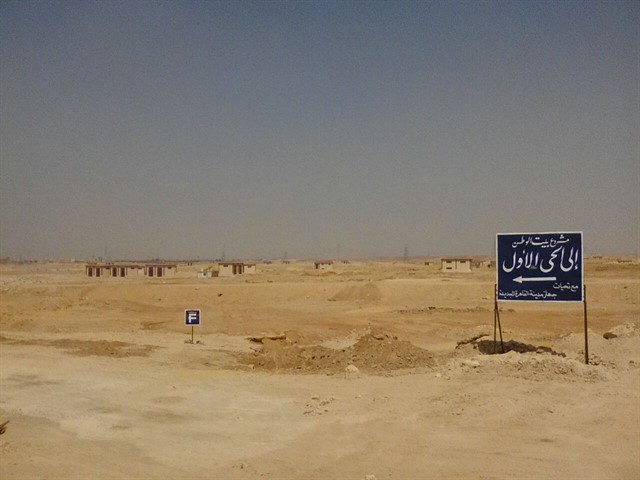
Land-for-dollars Beit al-Watan scheme marred by profiteering, leaving diaspora applicants empty-handed
Analysts warn the dollar-based land sales are pushing prices higher and limiting housing options
IMF in Cairo to discuss privatization, over-reliance on short-term borrowing
A delegation from the International Monetary Fund touched down in Cairo on Monday to begin its final review of the US$8 billion…
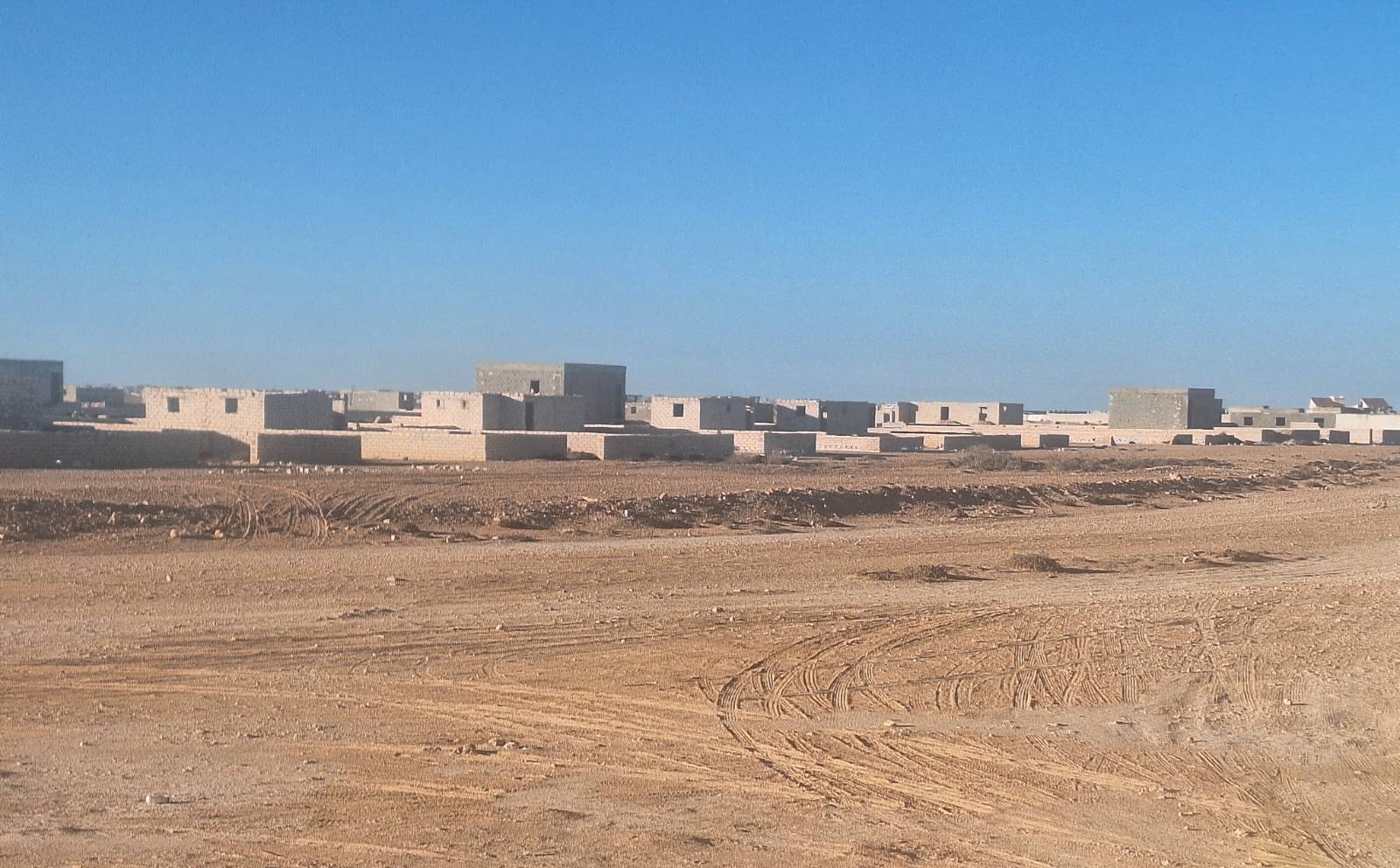
Residents confront demolition team in Matrouh village days after conclusion of Qatari development deal
A man was injured on Wednesday in Semella, Alam al-Roum as residents sought to prevent the forced demolition of a house in…
Your support is the only way to ensure independent, progressive journalism survives.
You have a right to access accurate information, be stimulated by innovative and nuanced reporting, and be moved by compelling storytelling. Subscribe now to become part of the growing community of members who help us maintain our editorial independence.
Join us