
Stimulus plan sent to president
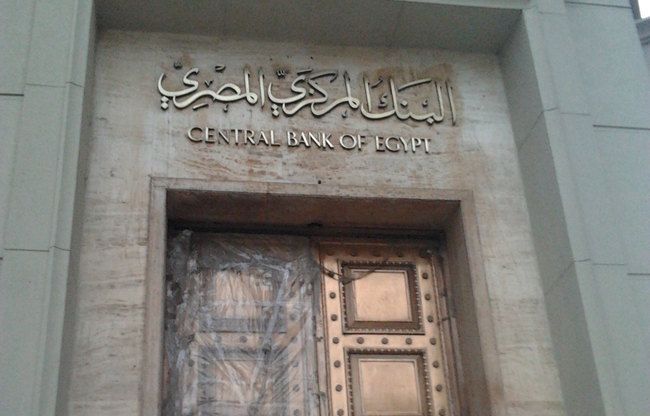
The government presented interim President Adly Mansour with a law to amend the budget to accommodate a LE29.7 billion stimulus package Tuesday, after details of the package were discussed Sunday at a press conference following a Cabinet meeting.
Whether the stimulus will be able to help boost Egypt’s economy is seriously doubted by most economists. The IMF has projected a growth rate of under 2 percent for the Egyptian economy.
The announcement comes shortly after Kuwait extended the repayment period for a US$2 billion deposit to five years. Originally the deposit was to be paid back over a year. That was part of a US$4 billion aid package from Kuwait, which came alongside Saudi and Emirati packages of the same size.
The new stimulus package includes LE20.1 billion in new government spending, and LE9.6 billion for current government expenditures.
Of the new government spending, LE18 billion is for raising the minimum wage.
According to the private daily Al-Shorouk, Finance Minister Ahmed Galal said that state employees making the minimum wage would receive a raise of 470 pounds to LE1200 per month.
The minister said the minimum wage increase would cost the government about LE18 billion annually, but would only cost the government LE9 billion for the second half of this year.
How immediate its effect would be is uncertain, says Ahmed Farouq Ghoneim, an economics professor at Cairo University. The salaries should add to the economy fairly quickly, but Ghoneim is concerned that the salary increases may be held up in red tape and bureaucracy.
“By the textbook, this should have a multiplier effect on the economy but that is contingent is on the political and security situation,” says Ghoneim.
Galal also said that this would not be the only change to the budget.
In August, the government announced a stimulus plan of LE22.3 billion focusing mostly on public works projects.
In an IMF press conference earlier this month, a spokesperson said that the financing should provide a window to undertake needed reforms to the economy. Most notable amongst these are reforming subsidy programs to become more targeted, although this was not mentioned in the new stimulus plan.
“The medium-term challenges facing Egypt remain the same, how to get the rate of growth up,” said Masood Ahmed, the director of the IMF’s Middle East North Africa and Central Asia Department.
“That requires resumption of private sector activity, private sector investment,” he said. “And the kinds of reforms that would help to provide an environment within which the private sector can function are still very much the same reforms that the authorities have been discussing for some time.”
“The economic issues are still bad as the whole transitional period,” says Ghoneim. “The deposits are not our money, it’s money that belongs to others, so there is the guise of improvement in the foreign reserves.”

أخبار ذات صلة
After losing AUC scholarships to USAID cuts, over 100 students invited to study at other private universities
AUC will not cover fees for students who were to enroll this year
Trump’s foreign aid cuts cast shadow on students’ futures as AUC freezes new scholarships
“What we were informed of, as AUC students, is that it's over. Don't wait for the scholarship,"
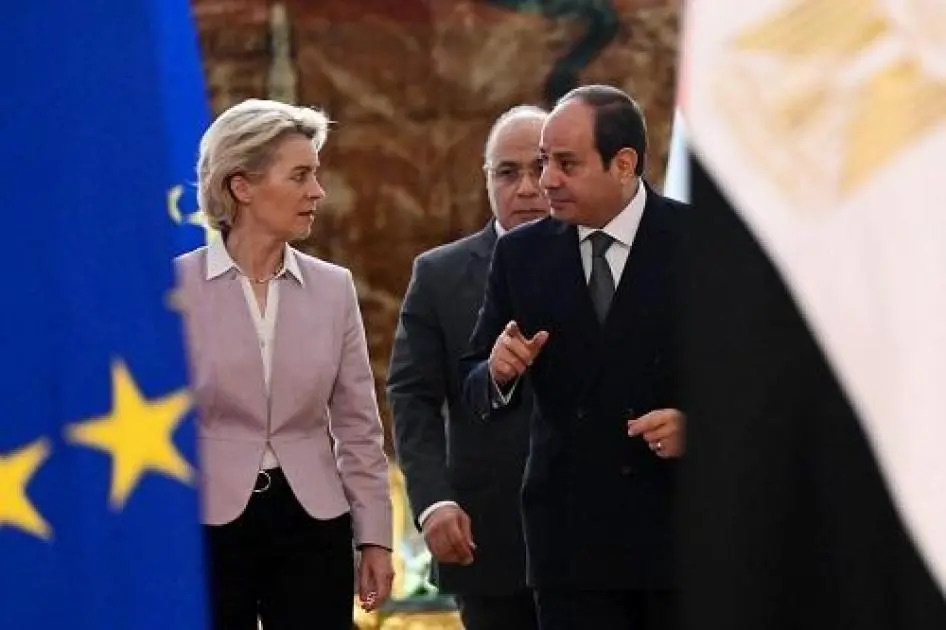
EU based 1 billion euro payout to Egypt on ‘credible steps’ regarding human rights, democracy
The European Commission said that it found Egypt took "concrete and credible steps" with regard to respecting effective democratic mechanisms, human rights…
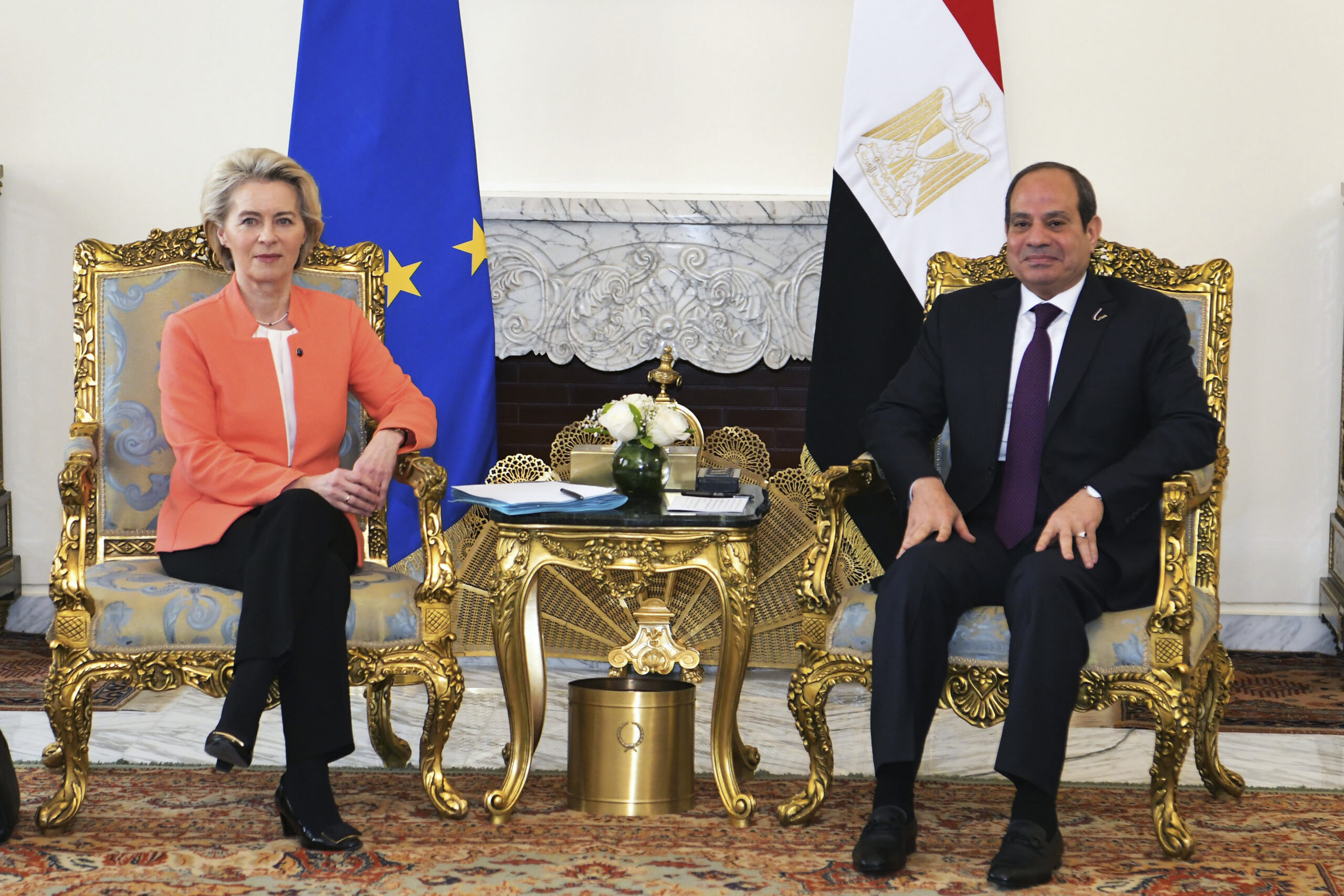
EU gives Egyptian military 20 mn euros to ‘enhance national and civilian security’
The European Peace Facility (EPF), a European Union entity aimed at strengthening the military and defense capacities of “partner” countries, approved on…
Your support is the only way to ensure independent, progressive journalism survives.
You have a right to access accurate information, be stimulated by innovative and nuanced reporting, and be moved by compelling storytelling. Subscribe now to become part of the growing community of members who help us maintain our editorial independence.
Join us