
Source: Saudi company submits lowball offer for state-owned Heliopolis Housing directly to minister
A Saudi Arabian investment company submitted a lowball offer for the majority state-owned real estate company, Heliopolis Company for Housing and Development, bypassing the company itself and going straight to a Cabinet minister, according to informed sources who spoke to Mada Masr on condition of anonymity.
Despite launching a privatization program in February, Egypt’s government has struggled to secure-needed foreign direct investment for its dollar-scarce economy, with a $2 billion financing target looming in under four weeks.
Domestic media reports stated Monday that Saudi Arabia’s Alameriah had bid US$400 million to acquire 70 percent of the company, which owns a large portfolio of land in Cairo’s east.
Heliopolis Company disclosed to the Egyptian Exchange on Tuesday that it has not received any acquisition offers to date. Yet a financial analyst at an investment bank said that Alameriah’s bid was submitted directly to Planning Minister Hala al-Saeed, who also chairs the Sovereign Fund of Egypt.
Most offers for state-owned companies, the source said, go through the sovereign fund to avoid the “government bureaucracy that repels investment,” rife in state entities such as the Public Enterprise Ministry, which owns over 72 percent of Heliopolis Company via its parent company, the Holding Company for Construction and Development.
Lengthy procedures required to prepare companies for privatization mean that the odds of the government making good on its prospective privatization deals are slim, according to sources informed about the privatization plans in government investment banks who spoke previously to Mada Masr.
Alameriah’s bid, meanwhile, is “extremely low,” the financial analyst said. Heliopolis Company’s portfolio was valued at LE80 billion two years ago. “If we assume that the land value has remained the same, while also factoring in the new exchange rate, its portfolio would be worth $2.5 billion, making the 70 percent requested by the Saudis worth $1.75 billion.”
“So the offer is incredibly low,” the source said.
The lowball offer comes as Egypt struggles to secure hard currency, with a financing gap estimated to stand at $17 billion during the two-year duration of an IMF loan program sealed at the end of last year. The program hinges largely on the government divesting from assets in order to level the playing field for private sector actors to play a larger role in the economy, in conjunction with allowing the value of the pound to drop as it moves toward being determined by supply and demand.
Yet steps forward on the structural adjustment program have been tentative. Since signing the reform program with the IMF in December last year, no new state-owned companies have been listed on the Egyptian Exchange.
Of the 32 state companies in which the government has said it will relinquish stakes this year, around $25 million worth of shares were sold from the government’s portion of the Paint and Chemical Industries Company. The government also sold around 10 percent of Telecom Egypt in a deal outside of the official program worth around $122 million last month.
The deals leave the government substantially short of its targeted $2 billion in asset sales by the end of June.
Whether or not the government will take Alameriah up on its offer remains unclear.
The company has attracted investor attention for years, but a number of prospective deals have fallen through amid disputes over company valuation. A potential deal with Egyptian developer Mountain View was halted at the beginning of this year, while another with SODIC, a subsidiary of Abu Dhabi's sovereign fund, fell through in 2022.
Though Heliopolis Company and sister company Madinet Nasr for Housing and Development were included in an earlier iteration of the government’s privatization plans launched in 2018 — a scheme characterized by a series of potential deals canceled or postponed before completion — they were absent from the revamped program announced by the prime minister this year. Despite the offer being submitted to the fund, it has no authority over the company, which is still majority-owned by the Public Enterprise Ministry.
أخبار ذات صلة
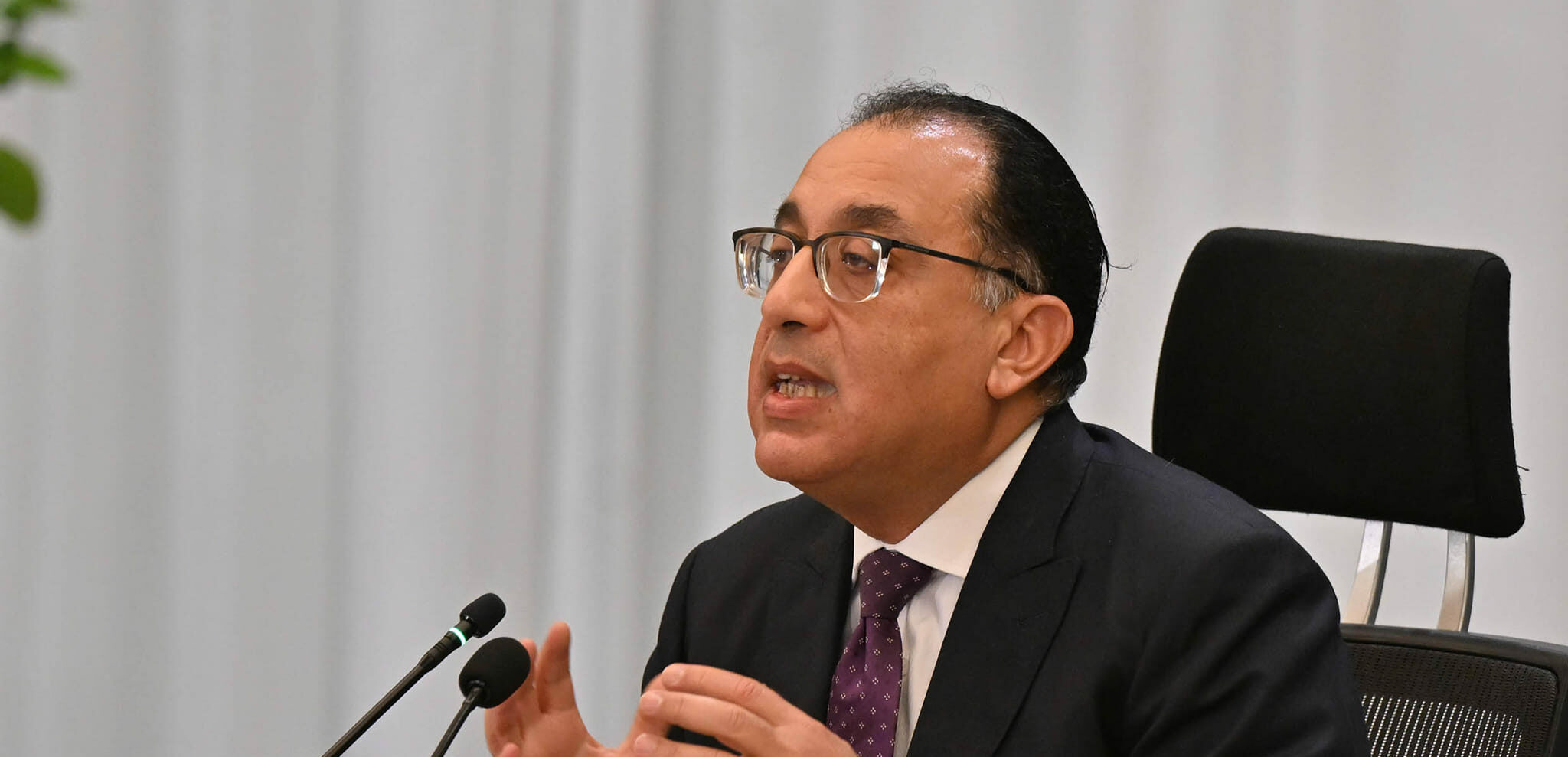
Draft budget: 65% of total expenditure allocated for debt service, LE3.5 trillion in new borrowing
Egypt’s new draft budget, which Mada Masr reviewed, dedicates over 65 percent of total government spending in the coming fiscal year to…
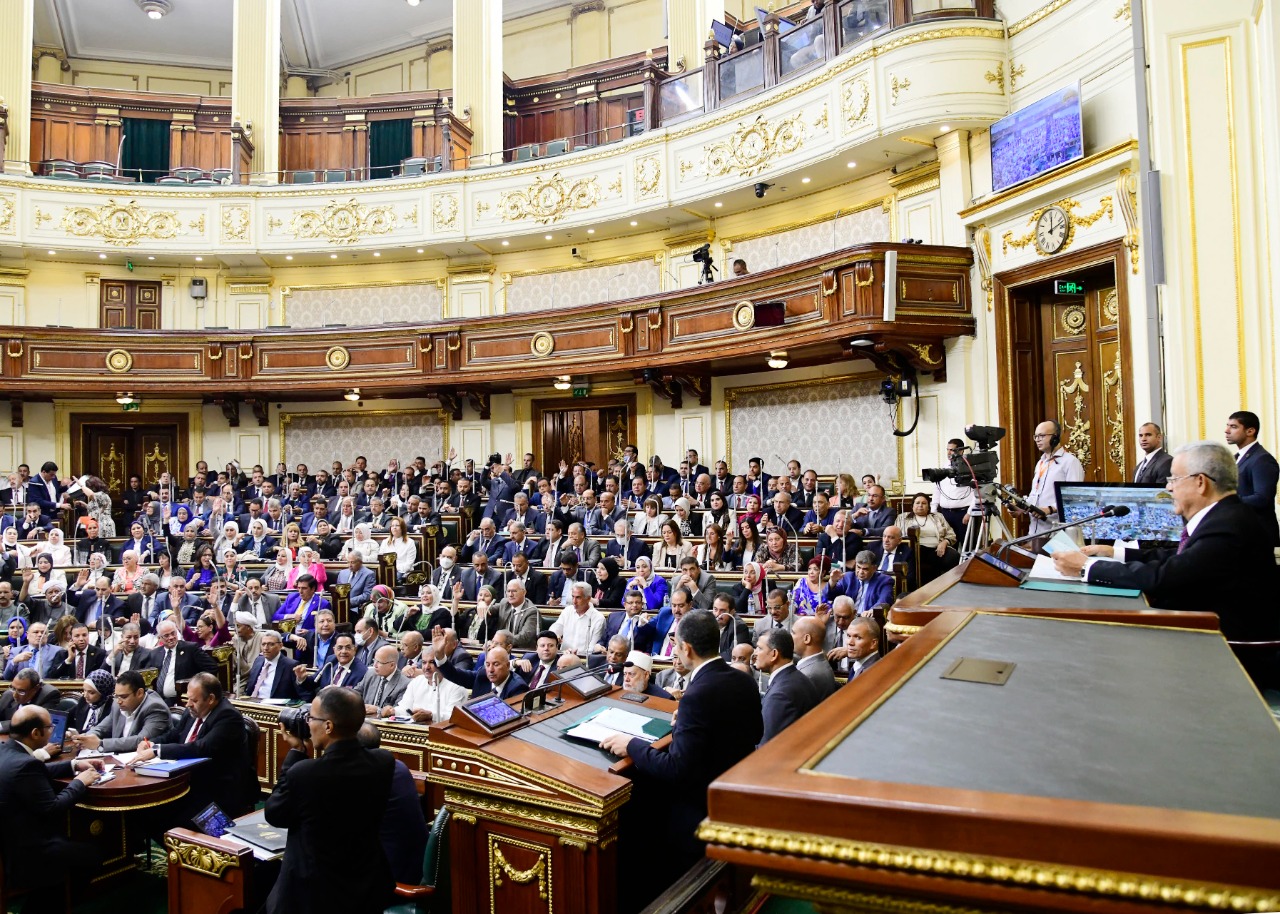
5 highlights from the new budget: More debt, low social spending, huge increase on export support
Some MPs voted against the budget due to high borrowing costs and low social spending
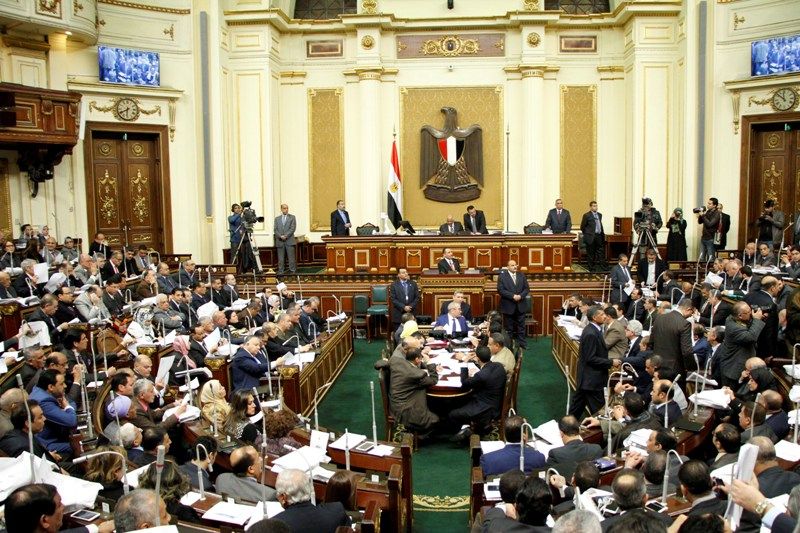
House passes 2022/23 state budget amid critique of earmarks for debt servicing, lavish allowances, megaprojects
The government's financial statement reveals a massive and historic deficit
Egypt to seek LE1.5 trillion in borrowing as debt servicing consumes 50% of 2022/23 expenditures
An MP blamed the government for not developing an austerity plan.
Your support is the only way to ensure independent, progressive journalism survives.
You have a right to access accurate information, be stimulated by innovative and nuanced reporting, and be moved by compelling storytelling. Subscribe now to become part of the growing community of members who help us maintain our editorial independence.
Join us