
Sisi talks terrorism at energy conference
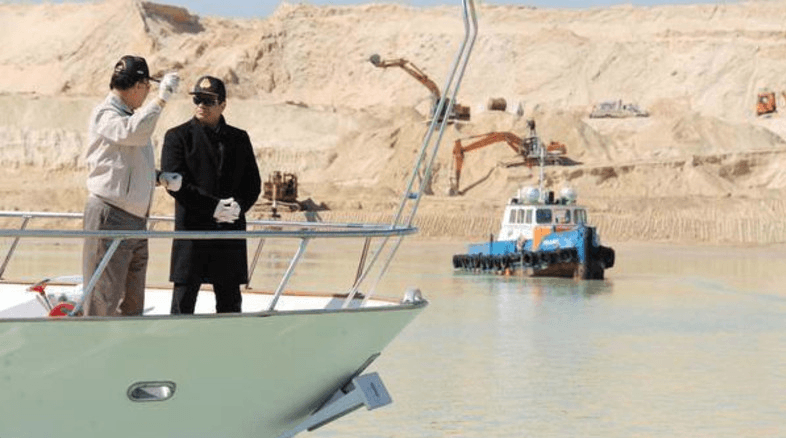
President Abdel Fattah al-Sisi urged Arab countries to mobilize efforts to confront terrorism during his speech at the World Future Energy Summit, held in the United Arab Emirates on Monday.
On his first visit to the UAE, Sisi deviated from the conference topic, addressing terrorism as a global issue that requires collective effort.
Terrorism, he said, is one of the main challenges facing the Arab world and has become a worldwide phenomenon aimed at threatening social peace. Fighting it, he said, requires conscious efforts by the international community, explaining that this extends beyond security and military confrontation to social economic and cultural development.
The Egyptian president continued to say that this involves reforming religious discourse and purifying it from any distorted ideas that allow for adopting violence as a means to express opinions or impose ideas.
He also highlighted the importance of improving the quality of education and decreasing unemployment.
Sisi emphasized the role Arab countries should play in fighting terrorism, explaining that the events that take place in one country affects neighboring countries.
He added that Egypt considers security in the Gulf a “red line,” and considers it a part of its national security.
Sisi referred to the historical relationship between Egypt and the UAE, which was established by Sheikh Zayed bin Sultan Al-Nahyan to much applause. He also pointed to the UAE’s support of Egypt and its people’s demands in the January 25 and June 30 uprisings, “which paved the way for a new era in Egypt’s history.”
Moving on to energy, Sisi called for investment in order to execute a five-year plan for energy subsidy reform that aims to turn Egypt into a hub for energy trade, thus making use of its geographical location, situated in the middle of major energy producers and consumers, as well as other resources, such as the Suez Canal.
He also called for investment in solar and wind power plants over the next three years that will aim to produce 4,300 megawatts of electricity.
He explained that the shortage of conventional energy sources forces Egypt to resort to renewable energy sources such as solar and wind energy, adding that by 2020 the country aims to generate 20 percent of its total energy from clean energy sources, up from the current 12 percent.
Sisi said that energy is one of Egypt’s priorities, and that the country is working towards diversifying energy sources and adopting plans to overcome challenges.
Egypt is working on developing a national energy strategy, he said, to fulfill local market needs while upholding environmental and developmental standards. This includes diversifying energy sources at power plants which use clean coal, nuclear energy sources, natural gas and oil.
Finally, Sisi called for participation in "Egypt: the Future," an economic development conference to be held in Sharm al-Sheikh on March 13-15.

أخبار ذات صلة
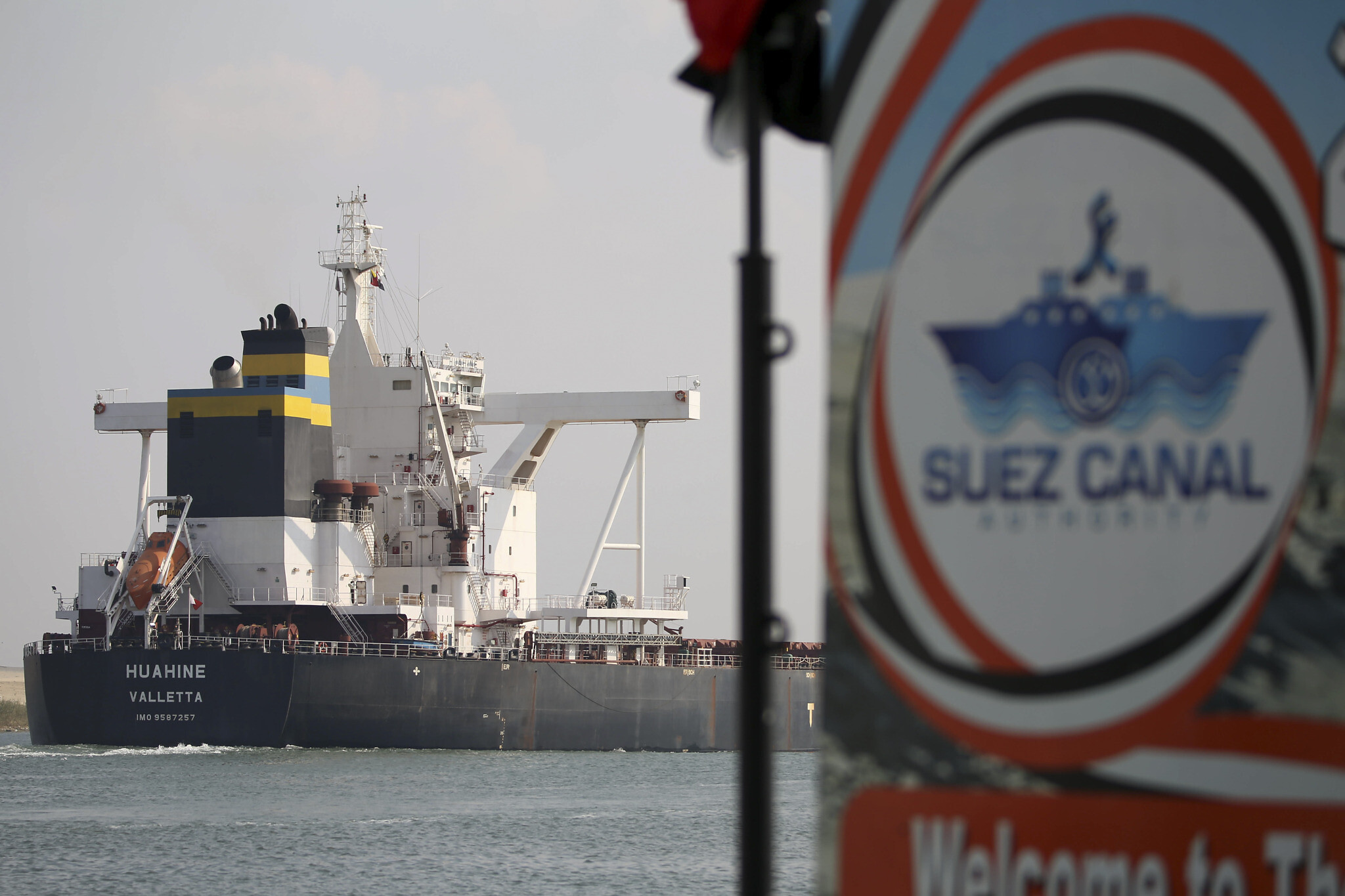
Iran war threatens fragile Egyptian economy, again
While people in Iran shelter from United States and Israeli strikes across the country, and Gulf nations absorb the shock of retaliatory…
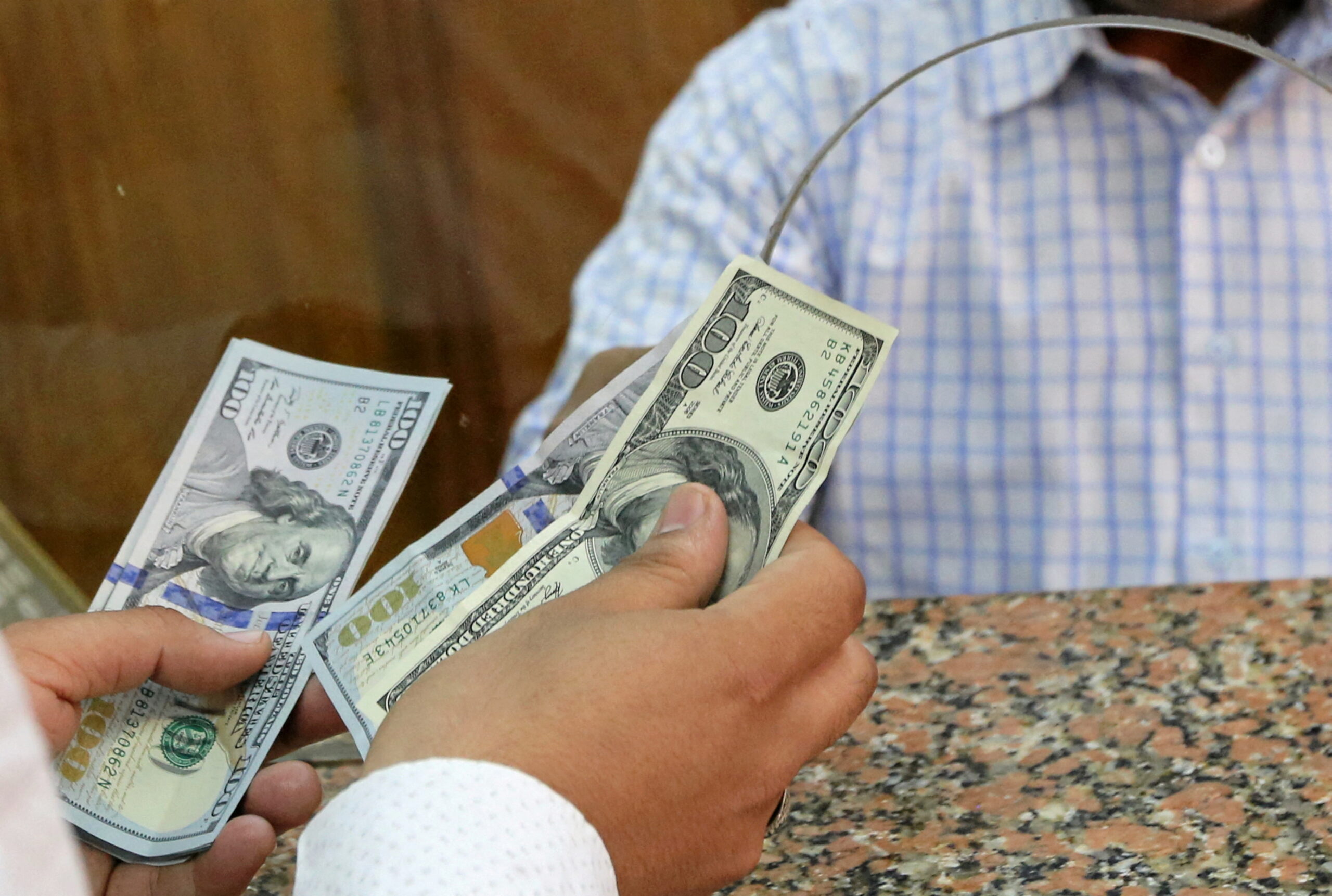
Hot money inflows boost Egyptian pound against the dollar
The Egyptian pound has appreciated against the United States dollar over recent days, reaching its highest exchange value since the beginning of…
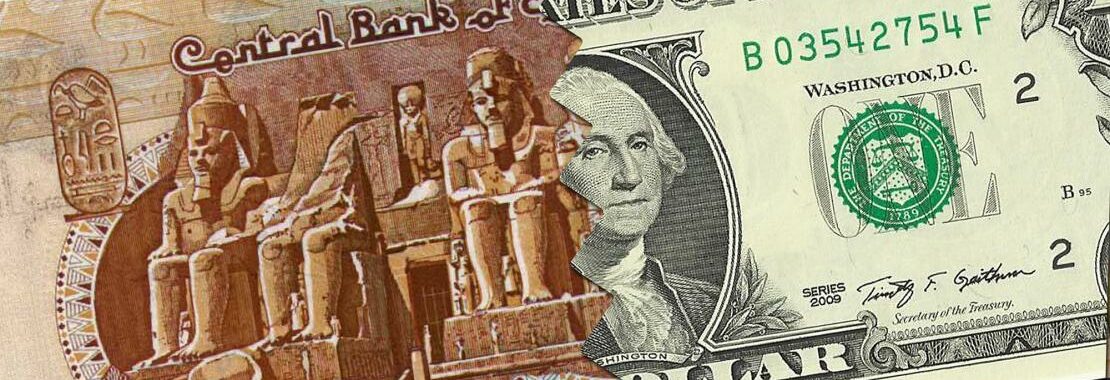
Market sources: Egyptian pound fluctuates after foreign investors pull at least $2 bn from Egypt’s debt market
Amid global market turbulence caused by United States President Donald Trump’s new tariff regime, foreign investors withdrew between US$2 billion and $2.25…
First ever transfer fees announced by state-owned Instapay
Transfers made through the app will incur a 0.1 percent fee, with a maximum cap of LE20 in fees per
Your support is the only way to ensure independent, progressive journalism survives.
You have a right to access accurate information, be stimulated by innovative and nuanced reporting, and be moved by compelling storytelling. Subscribe now to become part of the growing community of members who help us maintain our editorial independence.
Join us