
Samanoud Textiles workers continue to strike after management fails to commit to minimum wage
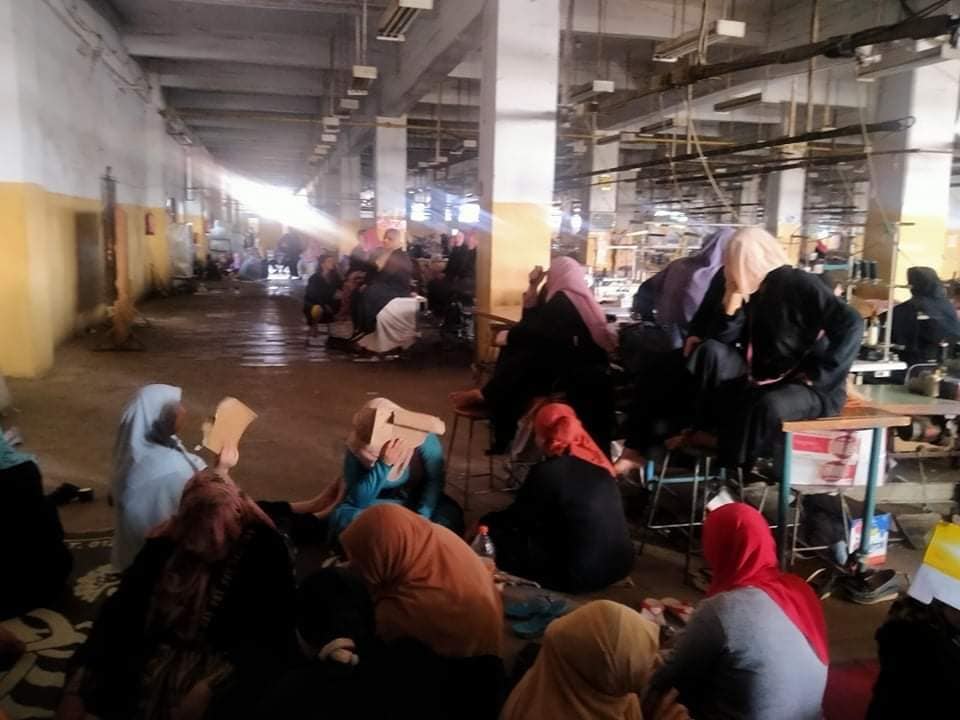
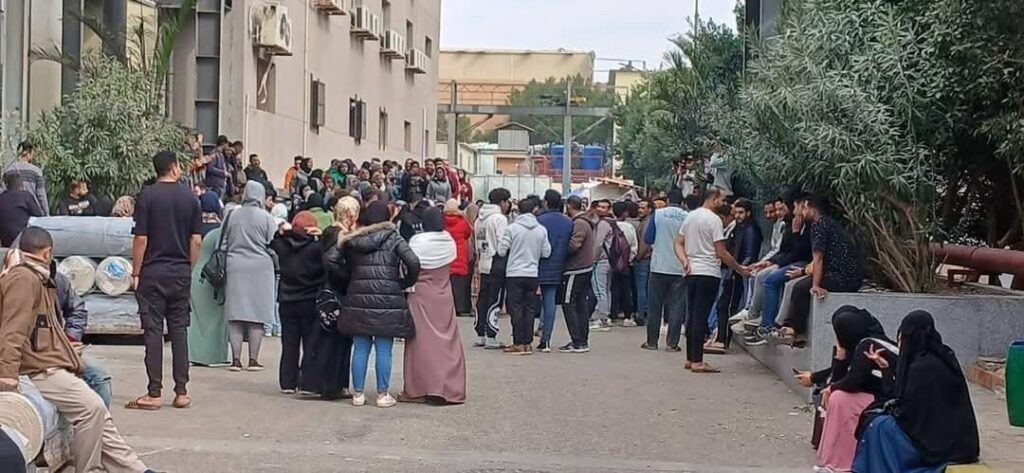
Workers at the Nahdet Samanoud Textiles Company went on strike on Tuesday for the 22nd consecutive day, protesting for company managers to meet their key demand: minimum wage.
During the weeks-long campaign, lawmakers, local authorities and managers have stepped in to negotiate, eight of the factory laborers have been arrested and subsequently released, and ten have been suspended from their jobs.
Speaking on condition of anonymity, a member of the workforce, of which a majority are women, told Mada Masr on Tuesday that the workers are steadfast in their core demand for minimum wage.
“The strike could end if management issues an official document pledging to implement the minimum wage by a specific date,” a second worker said, also speaking on condition of anonymity.
Hesham al-Banna, a former unionist from the company, became the last of several workers arrested during the strike to be freed on Monday. Banna was detained for 15 days. Sources who spoke to Mada Masr at the time described authorities arresting workers from their homes and even blindfolding one of the detainees.
A misdemeanor appeals court in Tanta gave orders for the release of seven of the workers on September 1, leaving Banna in custody until his release on Monday.
Samanoud, meanwhile, announced the suspension of ten workers, including all eight who were arrested.
Following his release, Banna told Mada Masr that he was denied visits during his first week in detention, which delayed his access to essential medications for hypertension, diabetes and heart disease. He described a spike in his blood pressure just two days after his arrest that caused severe symptoms affecting his sight, adding that “one of the prison officers took pity on me and bought me one of the medications out of his own pocket, which helped improve my condition."
Coinciding with Banna’s release, MP Ahmed Bilal met with the company’s chairperson, Saad Eddin Abd Rabbuh, to negotiate responses to the workers’ demands. Bilal shared the outcomes on Facebook, namely an agreement to pay workers their full August wages within two days and to incorporate a LE200 incentive — which was previously promised to them — into their comprehensive salaries.
Bilal told Mada Masr that, based on his discussions with the chairperson, the payment of August salaries is not contingent on the strike ending. "The chair argued that, due to halted production, there wouldn’t be sufficient liquidity to cover wages, since the liquidity comes from the completion of contracts with company clients,” Bilal said. “However, I requested he negotiate with [the clients] to secure part of the payments in advance to supply liquidity."
"In any case, I was not authorized to make any decisions on behalf of the workers. The decision to continue or end the strike remains entirely with them,” Bilal told Mada Masr, “I am expected to report the outcome of my meeting with the chair to a number of workers."
The two workers who spoke to Mada Masr said that the strike will continue until management agrees to adhere to minimum wage standards, with the second adding the reinstatement of the ten suspended workers to the list of demands.
Bilal added that he verified with the chairperson that “security and administrative staff had already received their wages, which he justified by saying they did not participate in the strike.”
According to Bilal’s public statement, the company also agreed to complete a review on how incentives are calculated within a month, proposing that the final amount be based on the number of items produced rather than their value — a shift expected to boost bonuses.
A final outcome was the opening of opportunities for interested workers to apply for secondment to government administrative and local bodies.
The company had previously declined to introduce minimum wage, and committed instead to introducing a LE200 incentive for workers in production departments and LE100 for service workers starting September.
The company claimed it submitted a request for exemption from the National Wages Council’s decision to raise the minimum wage to LE6,000.
Samanoud has a years-long history of ignoring worker demands for increases to low wages, the head of a labor advocacy organization previously told Mada Masr. The company has also used punitive measures to pressure workers into early retirement.
The company is likely being considered for liquidation, they added, as the state looks to downsize its role in industry. Part of the company’s land was offered for sale in an auction in 2020.
The past decade of the company’s history has witnessed frequent strikes over wages, to demand an end to layoffs, and to protest mismanagement that led to the company’s closure in 2014 and 2019.
أخبار ذات صلة
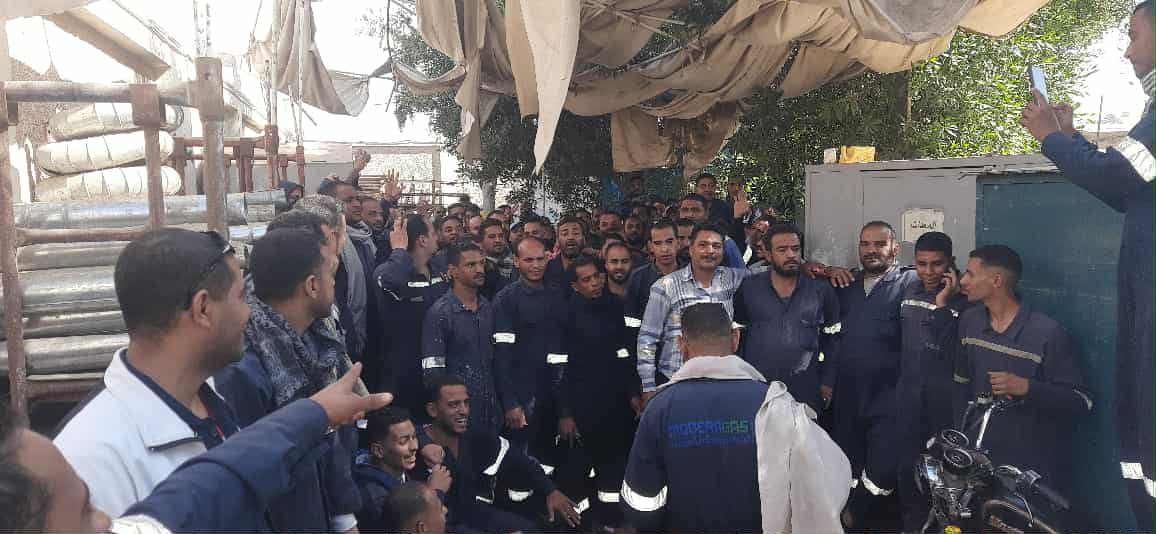
Sixteen gas workers arrested in Qena, Sohag after protesting subcontracting
The National Security Agency arrested 16 workers from branches of the Modern Gas Company in Sohag and Qena governorates on Friday after…
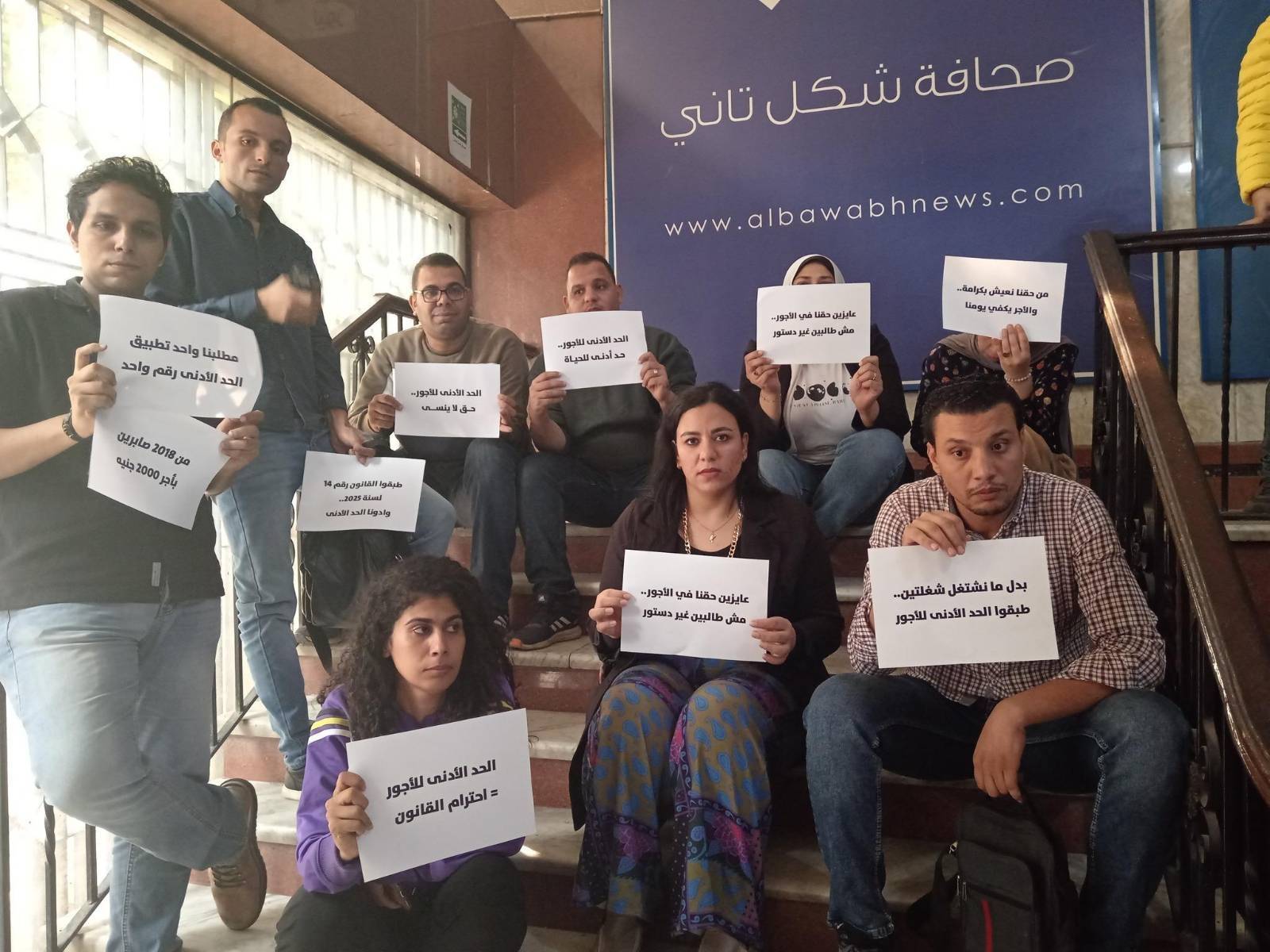
Source: Al-Bawaba News notifies striking workers it plans to liquidate company
Managers at Al-Bawaba News informed its journalists on Sunday that it intends to liquidate the company, a managing editor at the website…
Strike at Egyptian-Chinese drilling company over salaries, bonuses
The source said ECDC management has refused to raise wages since 2023
Court opposes release of arrested workers as labor action concludes at clothing supplier for Levis, UNIQLO, Tommy Hilfiger
The workers will stay in detention facilities until Wednesday morning
Your support is the only way to ensure independent, progressive journalism survives.
You have a right to access accurate information, be stimulated by innovative and nuanced reporting, and be moved by compelling storytelling. Subscribe now to become part of the growing community of members who help us maintain our editorial independence.
Join us