
Prosecutor: Corrupt officials, traders collected LE533 million for nonexistent wheat
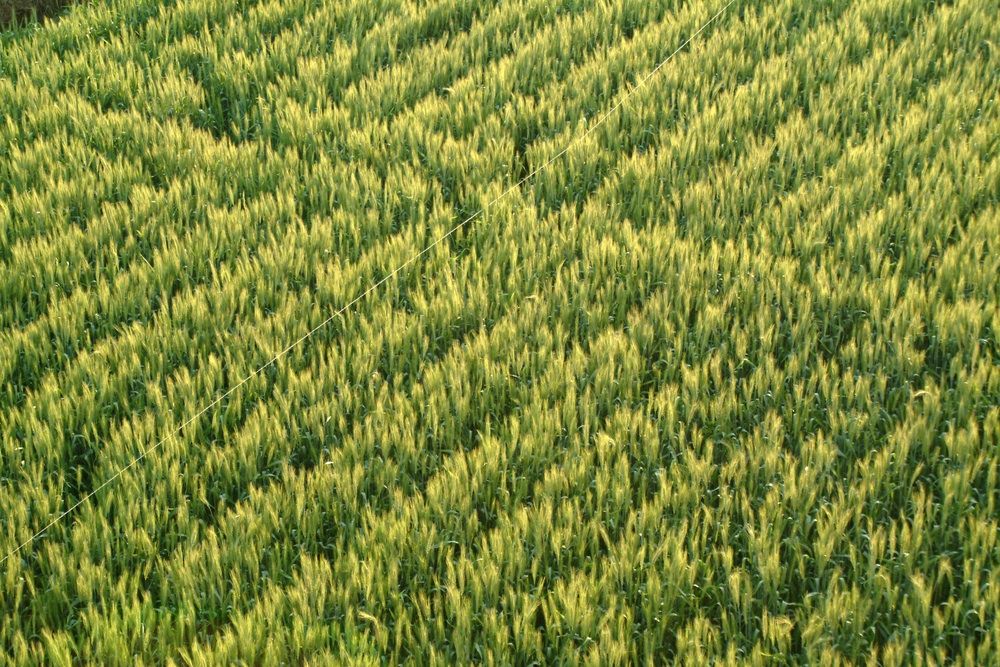
Officials and traders manipulating domestic wheat supply pocketed LE533 million by falsifying documents to collect government payments, Egypt’s general prosecution announced on Sunday.
An investigation by the prosecutor found that some government employees colluded with owners of private wheat barns and silos to issue papers documenting artificially high receipts for local wheat, according to a statement circulated by the state-owned Middle East News Agency.
Overall, 221,800 tons of wheat were falsely logged, at a total value of LE621 million, LE533 million of which had already been received, the statement claimed.
Corruption in the wheat sector is rampant in Egypt, but this year's unusually high procurement figure appears to have drawn an unusual amount of attention to the sector. The Ministry of Supply announced in June that it had purchased 5 million tons of local wheat, exceeding both its target of 4 million tons and the more typical local crop of 3 to 3.5 million tons. Inquiries into this figure resulted in a public scandal, with the president’s office and parliament launching probes into the sector.
To encourage domestic production of this staple crop, Egypt guaranteed farmers it would purchase wheat at well-above-market rates. This year, the government procurement price of LE420 per ardeb for domestic wheat was more than US$100 per ton above global market prices.
This price subsidy creates incentives for unscrupulous traders to mix imported wheat with domestic and resell it to the government at the higher local price. The United States Department of Agriculture (USDA) estimates that around 1 million tons of imported wheat was procured as domestic wheat in 2015, resulting in millions of dollars in wasted subsidies.
The prosecution’s investigation appears to reveal the mechanics of an even more complicated scheme, involving collusion between officials and silo owners. The discrepancy was discovered by comparing documentation of wheat purchases from particular farmers to the actual crops grown in those fields. In many cases, plots were said to have been purchased to grow fruit or other crops, the prosecution said.
The prosecution has frozen funds and issued travel bans against people implicated in the case.

أخبار ذات صلة
Wheat, grain prices rise again this week as release of imports slows down, market anticipates pound devaluation
Banks continue to struggle to provide dollar liquidity to importers
Foreign currency shortage puts Egypt’s wheat supply at risk
Some 800,000 tons of wheat, nearly half of the quantity that Egypt imports each month, is currently trapped in the country’s ports.…

Video | Home-grown wheat, home-baked bread
The pressure on farmers has posed a threat to the private wheat reserves of many Egyptians
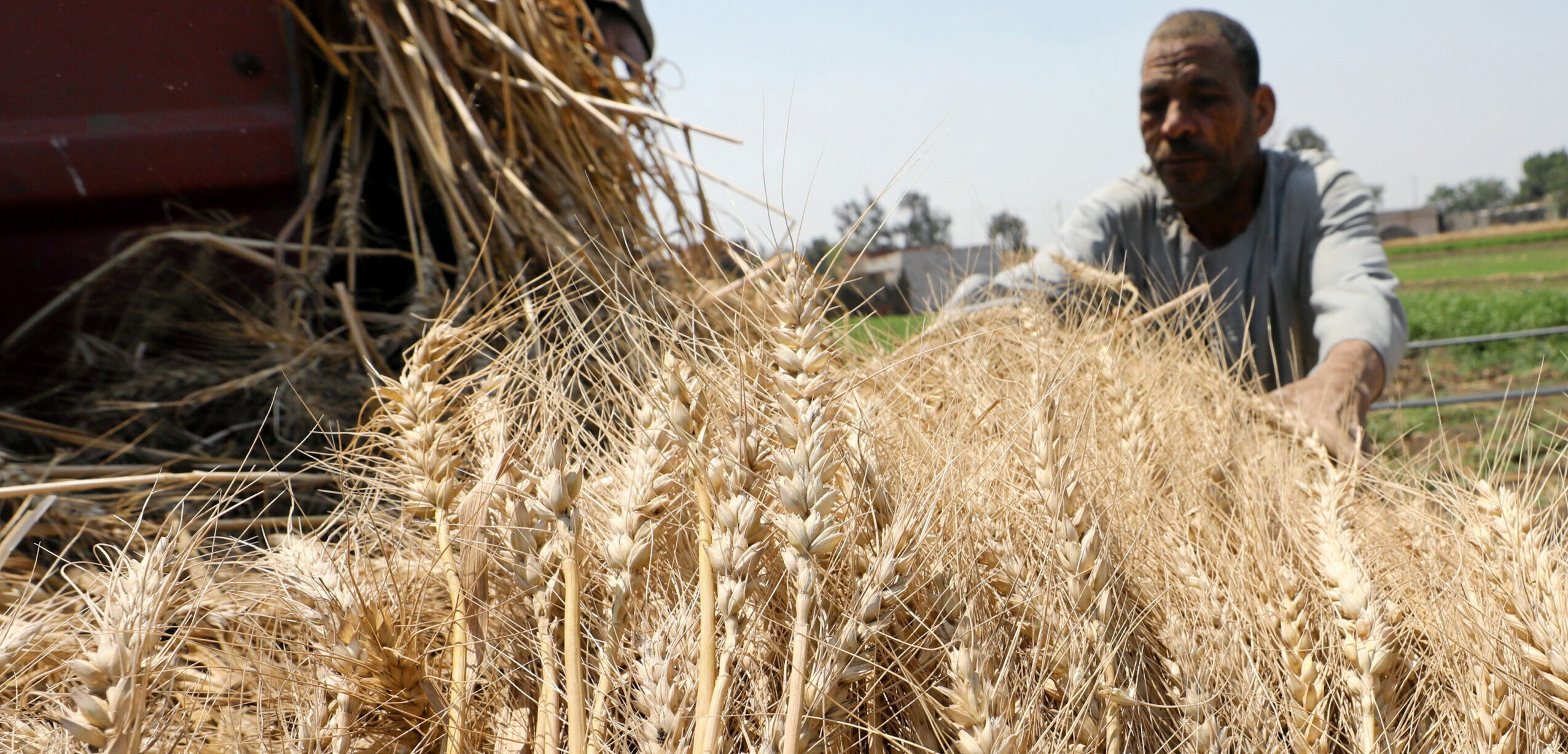
Keeping Egypt above the breadline: How has the government strategized to supply wheat during a global shortage?
The state looked to local farmers for nearly double what they would in other years
Your support is the only way to ensure independent, progressive journalism survives.
You have a right to access accurate information, be stimulated by innovative and nuanced reporting, and be moved by compelling storytelling. Subscribe now to become part of the growing community of members who help us maintain our editorial independence.
Join us