

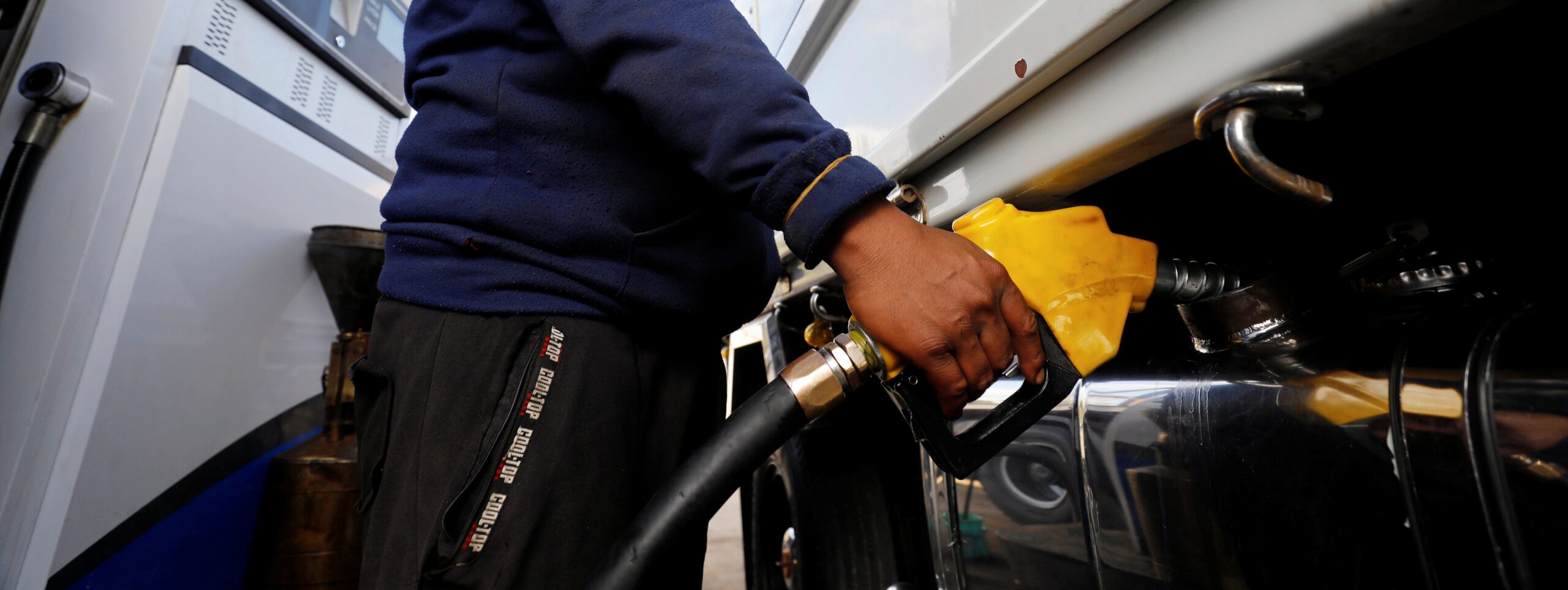
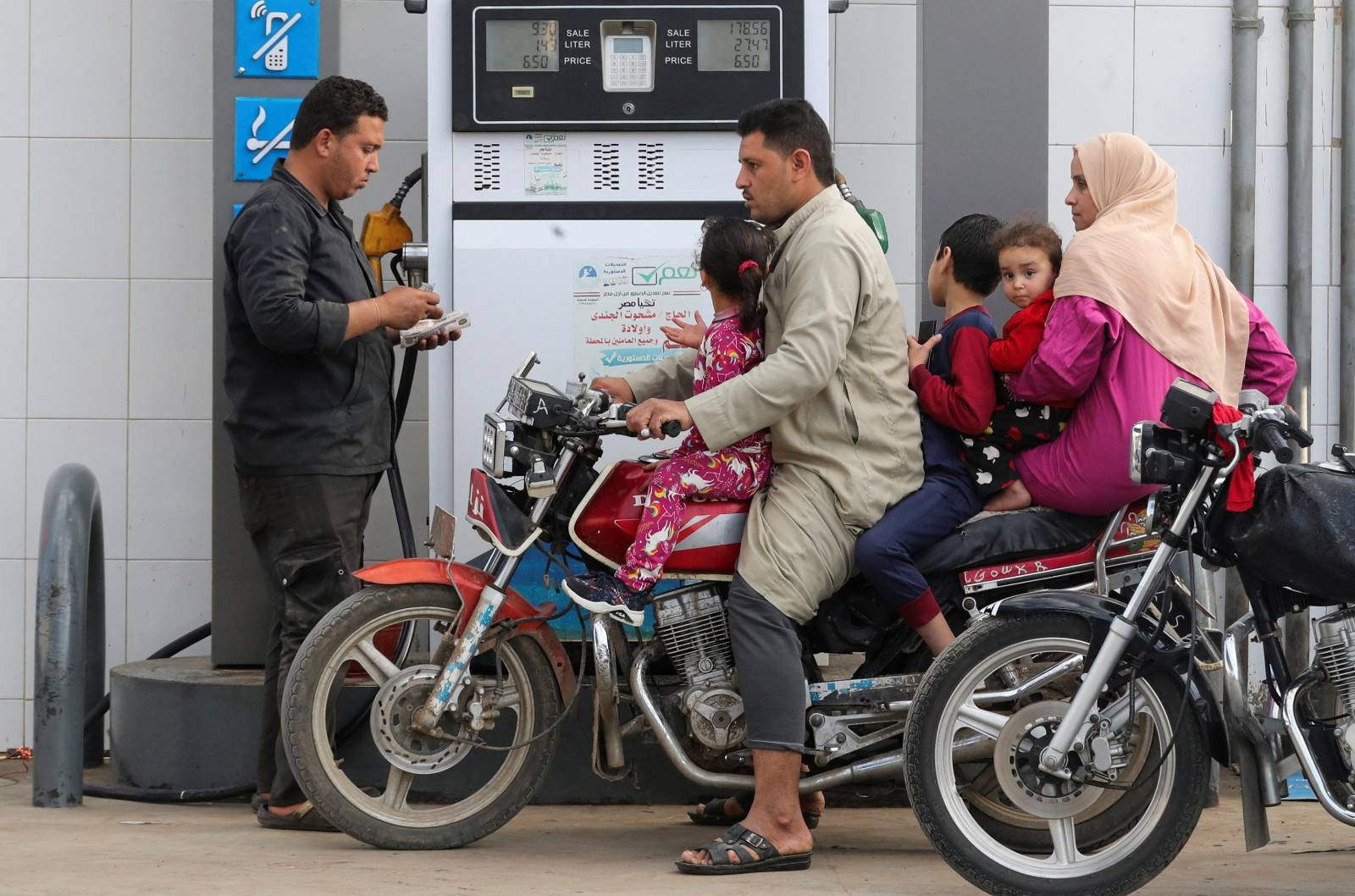
Despite staggering price increases in recent months captured by historic inflation rates in February, the Fuel Automatic Pricing Committee announced early this morning that it will be hiking the price of various petroleum and gas products.
Butane gas cylinders will now cost LE100, a 33 percent increase, and diesel fuel will go up by 21 percent, jumping to LE10 per liter, per the committee’s decision.
Gasoline prices are also shooting up. The price of 80 octane gas is now LE11 per liter, a 10 percent increase, while the cost of 92 octane gas is LE12.5 per liter, an 8.6 percent increase and the price of 95 octane gas is LE13.5, an 8 percent increase.
Per the founding law of the committee, no increase in the price of a petroleum or gas product should exceed 10 percent, a threshold that the increase in butane and diesel exceeded in Friday morning’s decision.
In a statement reviewed by Mada Masr, the committee said the price hikes come “in light of the positive effects of recent economic reform measures,”— referring to the devaluation of the Egyptian pound that saw the exchange rate jump to nearly LE50 per US$1 from its previous rate of LE31 to US$1 — “in addition to the increase in transportation and shipment costs of fuel products which are imported, due to incidents in the Red Sea, which increased the price gap between cost and selling price in an unprecedented manner.”
The Fuel Automatic Pricing Committee was founded at the end of 2018 and consists of representatives from the Finance Ministry, the Petroleum Ministry and the Egyptian Mineral Resources Authority, as part of the conditions of Egypt’s agreement with the International Monetary Fund , signed in November 2016.
Mostafa Shafie, a macroeconomic analyst at Arabeya Online, previously told Mada Masr that the state was retreating from its previous approach in managing energy prices, which had been to avoid raising diesel prices in particular because of their direct and significant inflationary effect, namely on agricultural production and transportation costs.
Egypt’s annual inflation rate reached new heights in February, coming in at 36 percent, a nearly 5 percent increase from January, the Central Agency for Public Mobilization and Statistics announced earlier this month.
While still high in January at 31.2 percent, annual inflation had gradually fallen each month from a record high of 38 percent in September.
But February’s figures erased much of that decline and saw inflation skyrocket again.
Month-over-month inflation saw a record-setting jump in February, going from 1.7 percent between December and January to 11 percent between January and February.
Analysts had forecast that inflation rates in urban areas would continue to decline on an annual basis, from 29.8 percent in January to 25.1 percent. Instead, it rose to a staggering 35.7 percent in February.
In July 2014, the state began increasing fuel and gas prices in the first general budget under President Abdel Fattah al-Sisi, one of the first signs of the state’s now decade-long economic reform plan. During this period, the prices of petroleum and gas products have increased substantially, with butane gas cylinders seeing the largest increase, a notable fact given their widespread use in Egyptian households.

أخبار ذات صلة

‘Subsidizing profit?’ – A look into the lifespan of energy subsidies for the industrial sector
The price that industrial actors pay for natural gas remained untouched by the government
Govt raises fuel prices by LE2, natural gas for vehicles up 43%
The government raised fuel prices on Friday, increasing the cost of gasoline and diesel by LE2 per liter and natural gas for…

Govt raises fuel prices by up to 33%
Fuel prices were hiked across the country on Friday morning by the Petroleum Ministry, with some fuel types increasing by up to…
Egypt’s new budget: Electricity subsidies boosted by 2900% alongside slashes to fuel subsidies
The Egyptian government plans to cut spending on fuel subsidies by more than 51 percent, a Cabinet statement on the draft budget…
Your support is the only way to ensure independent, progressive journalism survives.
You have a right to access accurate information, be stimulated by innovative and nuanced reporting, and be moved by compelling storytelling. Subscribe now to become part of the growing community of members who help us maintain our editorial independence.
Join us