
President decrees law deemed detrimental to right to protest
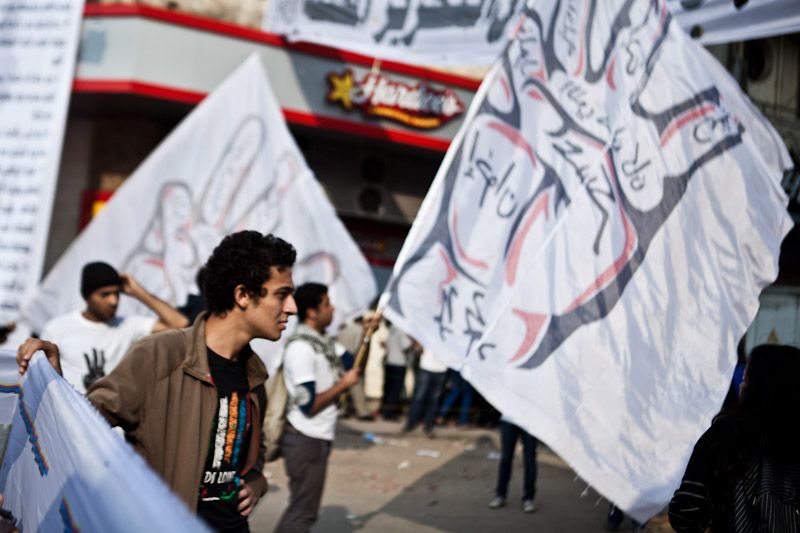
Interim President Adly Mansour decreed on Sunday a law regulating the right to assemble and protest in public spaces, presidential spokesperson Ihab Badawy says.
The law approved by the Cabinet earlier this month attracted criticism from human rights defenders who said that it imposed too many limitations on the right to protest and gave legislative cover to police violence against protesters.
Human Rights Watch issued a statement late October after a draft of the law was released warning that the new law will effectively ban protests altogether.
Among its most controversial articles, the new law bans sit-ins. It also prohibits protest movements from “hindering production” which could be grounds for criminalizing strikes. The law also bans the use of masks during protests, punishable with a fine of LE50 up to LE100,000.
Spending the night in the place of protest, disrupting security or obstructing productivity are punishable with two years in prison.
According to the law, protest organizers are required to send a request to the nearest police station at least seven days ahead of the protest detailing its route, start and finish time, demands and names of its organizers. The law penalizes organizing a protest without acquiring this authorization with a fine of LE100,000.
Beblawi also said that the law does not require giving permissions to protesters to demonstrate, but it asks them to "notify" security forces of the protests.
The law allows the Interior Ministry to cancel the event after it has been authorized if it receives “serious information on the intent of participants or organizers to commit violations of the law.”
HRW said in a statement that the law empowers the police to cancel and disperse protests on a vague basis, which essentially gives the authorities a green light to attack protests without reason.
Any dispersal, according to the law should be gradual, starting from verbal warnings to the use of pellets. The law gives security forces the right to use further violence by stating that if the protesters use weapons, they can respond accordingly, putting no specifications or roof to this response.
Having a weapon or fire works at a protest is punishable with a minimum of 10 years in prison in addition to a fine of LE300,000-350,000.
HRW says that this wording allows the police to use force against all protesters even if only one of them acts violently which effectively promotes group punishment. HRW also warns that the vague terms give police the authority to use lethal force against protesters beyond what is necessary to protect lives.
The law prohibits protests within a 300 meters parameter of any governmental buildings, specifying presidential palaces, legislative buildings, the Cabinet, governorate headquarters and ministry buildings, military-affiliated buildings, courts, police stations, government hospitals and educational institutions.

أخبار ذات صلة
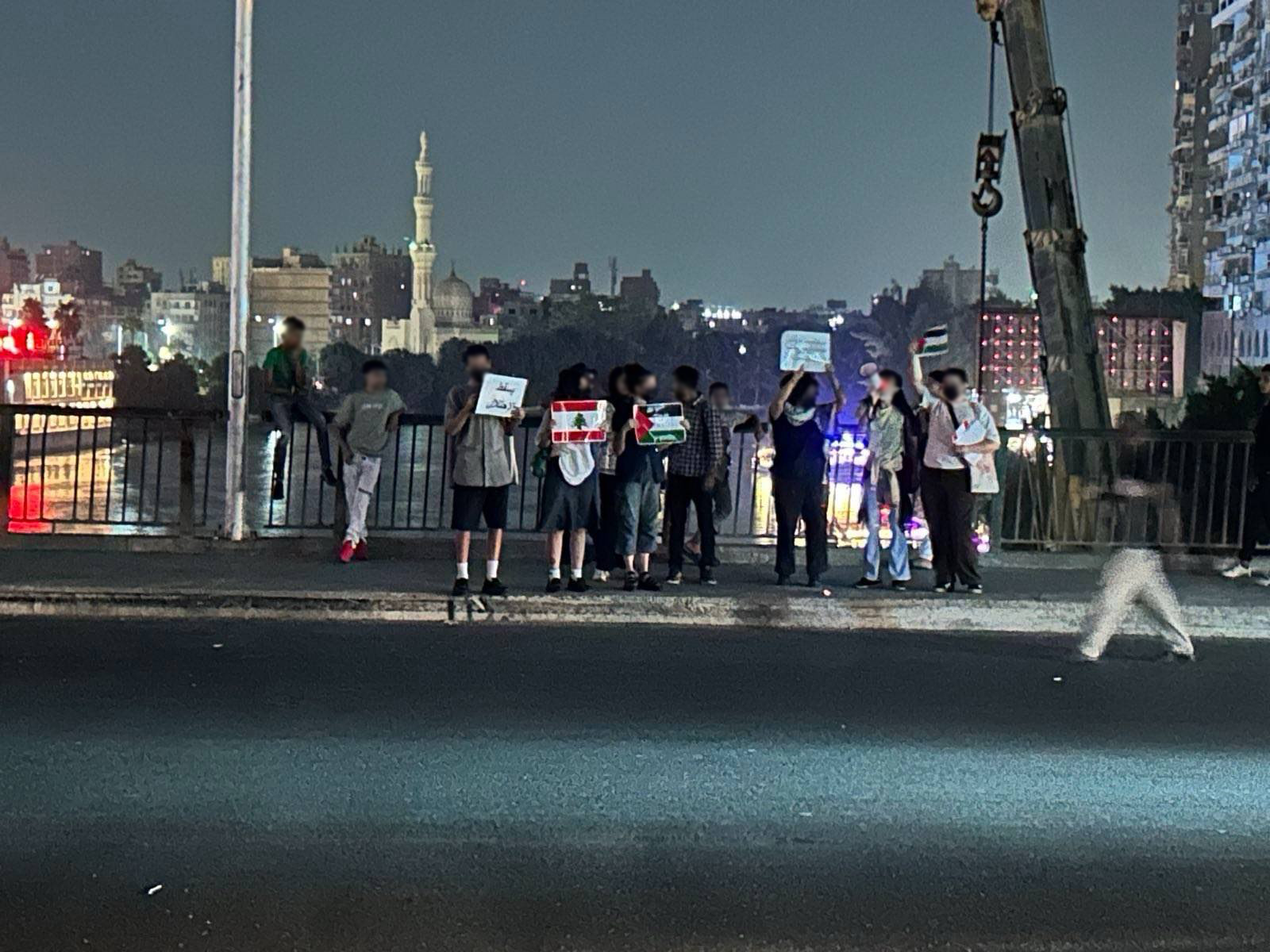
Four people arrested from Cairo demonstration for Palestine, Lebanon questioned on protest charges
Four people who were arrested earlier in the week from a demonstration are to spend another night in detention following questioning on…
Six arrested in Cairo after protesting Israel’s war on Palestine, Lebanon, whereabouts unknown
Six people were arrested by security forces on Monday night in Zamalek following a small demonstration they held in support of Palestine…
What will change as Egypt exits a 4-year state of emergency?
Under the state of emergency, the president and security services were granted wide-reaching powers
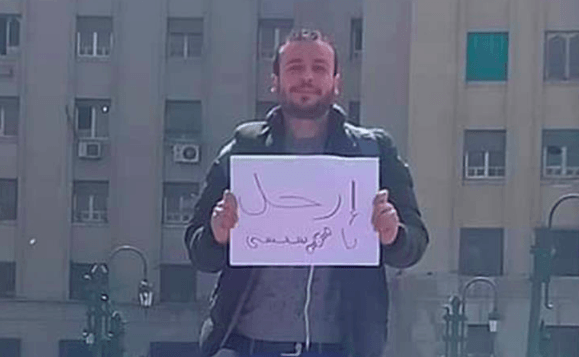
Lawyers: At least 70 arrested nationwide for alleged involvement in ‘protests’ sparked by train crash
At least 70 have been arrested for alleged involvement in protests of last week's train accident
Your support is the only way to ensure independent, progressive journalism survives.
You have a right to access accurate information, be stimulated by innovative and nuanced reporting, and be moved by compelling storytelling. Subscribe now to become part of the growing community of members who help us maintain our editorial independence.
Join us