
Political parties, public figures urge Sisi to suspend IMF talks
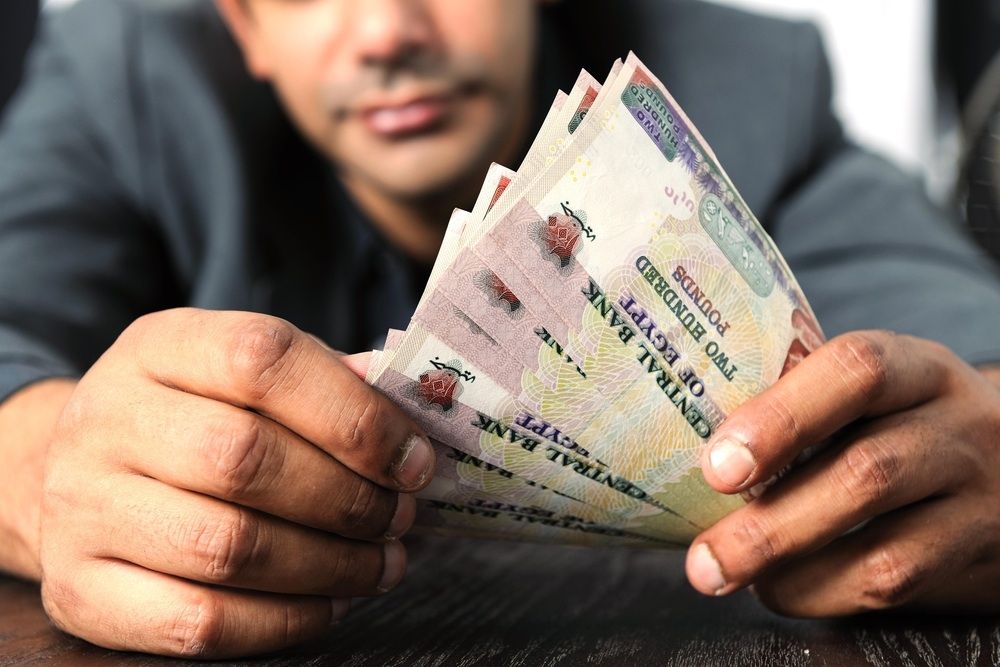
A number of political parties, civil society organizations and public figures urged President Abdel Fattah al-Sisi in an open letter Saturday to suspend talks with the International Monetary Fund (IMF) over a $US12 billion loan to Egypt.
The letter described what its signatories perceive as “extremely tough economic and financial measures,” which it asserts were implemented by the Egyptian government since before the start of the IMF talks “in complete negligence toward the Egyptian people, including its syndicates, unions, and political forces.”
The letter referred in particular to the government’s partial devaluation of the currency, the passing of a new civil service law, a value added tax law, and the continued privatization of the public sector. It described Egypt’s economic situation as “miserable,” given skyrocketing public and foreign debt, at LE2,500 billion and LE53 billion respectively.
It was signed by the Popular Alliance Socialist Party, the Karama Party, the Egypt Freedom Party, the Popular Current and the Egyptian Communist Party. Public figures to sign the letter included: Hamdeen Sabbahi, member of the National Council for Human Rights George Ishak, rights lawyer Ziad al-Eleimy, head of the Journalists Syndicate Khaled al-Balshy, activist Sally Toma, and many others.
Signatories warned that the IMF loan and another US$25 billion loan from Russia to finance Egypt’s Dabaa nuclear program will put national debt at unprecedented levels, especially considering dwindling foreign direct investment, decreasing revenues from the Suez Canal and the dire state of Egypt’s tourism industry.
“The signatories think the path the government is taking will land the country in a very critical situation, as it was determined with a narrow-minded mentality to solve economic and social problems in isolation from the current political crisis,” the letter read.
Alternative recommendations proposed in the letter include ending IMF talks and focussing on building a “national economic rescue program” to transform the economy from its current focus on consumption to a more developmental model. It also demanded an end to the privatization of the public sector, developing a social safety net for the poor, bringing back the country’s smuggled funds from overseas and imposing progressive taxation, among other measures.
On Thursday, Egypt and the IMF reached a staff-level agreement on a three-year $12 billion fund aimed at bringing down Egypt’s budget deficit and debt, in addition to helping increase economic growth.
The loan will require the Egyptian government to start devaluing the currency and lifting energy subsidies, as well as reducing public debt, Chris Jarvis, IMF mission chief for Egypt, said in a statement. "Over the program period, general government debt is expected to decline from about 98 percent in 15/16 to about 88 percent of GDP in 2018/19,” he explained.
Last week, the Egyptian government declared new price hikes for electricity. In a Monday press conference Egypt’s Minister of Electricity Mohamed Shaker outlined the new prices, which are due to come into effect this month. On Tuesday, Shaker told financial newspaper Al-Mal that the ministry will also begin imposing a “service charge,” ranging from LE1 per month to LE20 per month, depending on usage.

أخبار ذات صلة
Egypt passes 5th, 6th IMF loan reviews, with fund easing tone of govt criticism
In a Tuesday statement, the International Monetary Fund announced that Egypt passed the fifth and sixth reviews as part of its ongoing…
IMF in Cairo to discuss privatization, over-reliance on short-term borrowing
A delegation from the International Monetary Fund touched down in Cairo on Monday to begin its final review of the US$8 billion…
Former employees sue to block sale of Eastern Company workers’ shares to Fidelity
Two hundred former workers at Eastern Company have filed a lawsuit to halt the payout of proceeds from the sale of the…
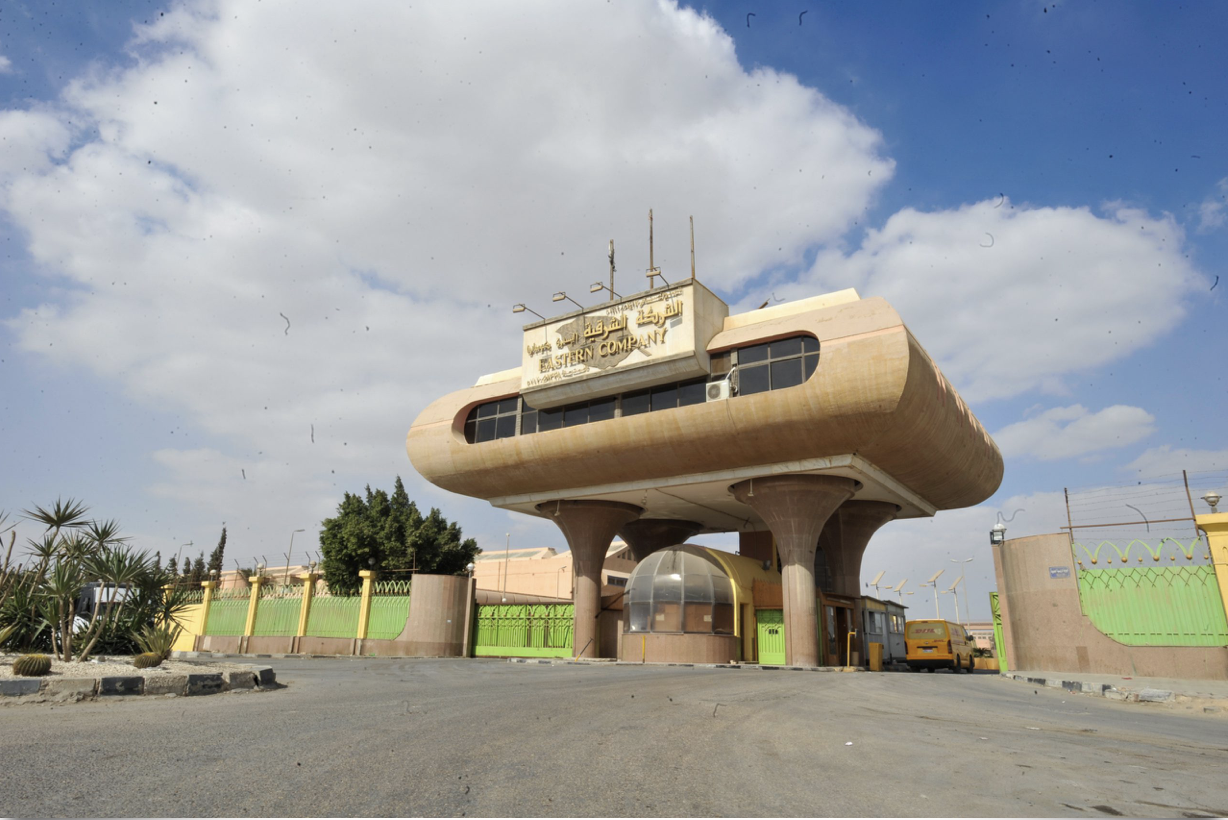
Unnamed investor buys out workers’ stake in tobacco giant Eastern Company after monthslong conflict
Share-holding workers at partially state-owned tobacco firm Eastern Company were bought out on Thursday following months of conflict over the sale. The…
Your support is the only way to ensure independent, progressive journalism survives.
You have a right to access accurate information, be stimulated by innovative and nuanced reporting, and be moved by compelling storytelling. Subscribe now to become part of the growing community of members who help us maintain our editorial independence.
Join us