
Political groups request more party lists in parliamentary elections
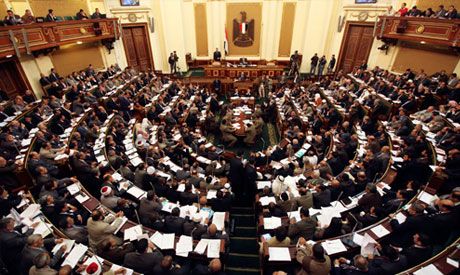
Egyptian political parties are calling for the country’s current parliamentary elections law to be amended, citing the disproportionate allocation of seats to individuals.
The Democratic Current, the Wafd Coalition and the Nour Party, who are behind the current call, made their request following a cross-party meeting to discuss the law at Al-Shorouk newspaper, at the request of President Abdel Fattah al-Sisi.
The Egyptian Front electoral coalition, the most aligned with the current regime of the electoral blocks, told Mada Masr that their request to amend the law goes against the popular will of the people.
According to the current law, which interim President Adly Mansour passed last June, 420 of the 540 seats are allocated as individual seats, with 120 going to party lists. The law also imposes a quota on lists for women, Christians, workers, those with special needs, youth, workers and farmers.
The coalition has proposed changing the distribution to 40 percent for lists, 40 percent for individuals, and 20 percent for the categories imposed by the quota.
Ahmed al-Boraie, former Minister of Social Solidarity and leading figure in the Democratic Current electoral coalition, told Mada Masr that the current law minimizes the opportunity for parties to enter parliament.
The parties demand that the absolute list system, by which the winning party in each electoral constituency gets all the seats, is changed to a proportional list, in which each party would receive a number of seats corresponding to the percentage of votes they get. The latter is “closer to democracy and fairness,” Boraie added.
The Democratic Current coalition includes the Popular Current, founded by former presidential candidate Hamdeen Sabbahi, the centrist Dostour Party, the Popular Socialist Alliance Party, the Nasserist Karama Party, the liberal Masr al-Horeya Party and the Adl Party.
The Wafd Coaliton, also supporting the request, includes the liberal Wafd Party and the Egyptian Social Democratic Party.
Shaaban Abdel Alim, a leading figure in the Nour Party, said he supports the request. He told Mada Masr that the current law would allow the richest candidates to prevail.
“A lot of parties won’t be represented effectively and the independents will reign, putting a lot of weight on money, which will lead to a fragmented parliament that won’t be able to play its role,” he said.
Leading figure from the Egyptian Front, Tamer Zyada, called the coalition’s preposition “bizarre,” claiming it goes against the will of the people.
“The people support individual seats, they don’t want any lists,” Zyada said. “They want to know the candidate, they’ve tried lists before and they saw what happened,” he added, referring to the 2012 parliament, which was dominated by Islamists.
Zyada said parties have to work on the ground and win people over, or their request will be viewed as a proposal for preferential treatment, to allow them an easy win.
The cabinet is currently discussing the law regulating the geographical distribution of electoral constituencies. The vote is expected to take place in the first quarter of 2015, according to Sisi.

أخبار ذات صلة
Elections watch: Phase 2 results voided at just 2 polling stations despite widespread violations
The National Elections Authority announced on Tuesday the preliminary results for the second phase of this year’s parliamentary elections, cancelling the results…
Elections results voided in most constituencies after ‘massive’ number of elections appeals
Voting is set to be repeated in two-thirds of the districts that took part in the parliamentary elections’ first phase, following a…
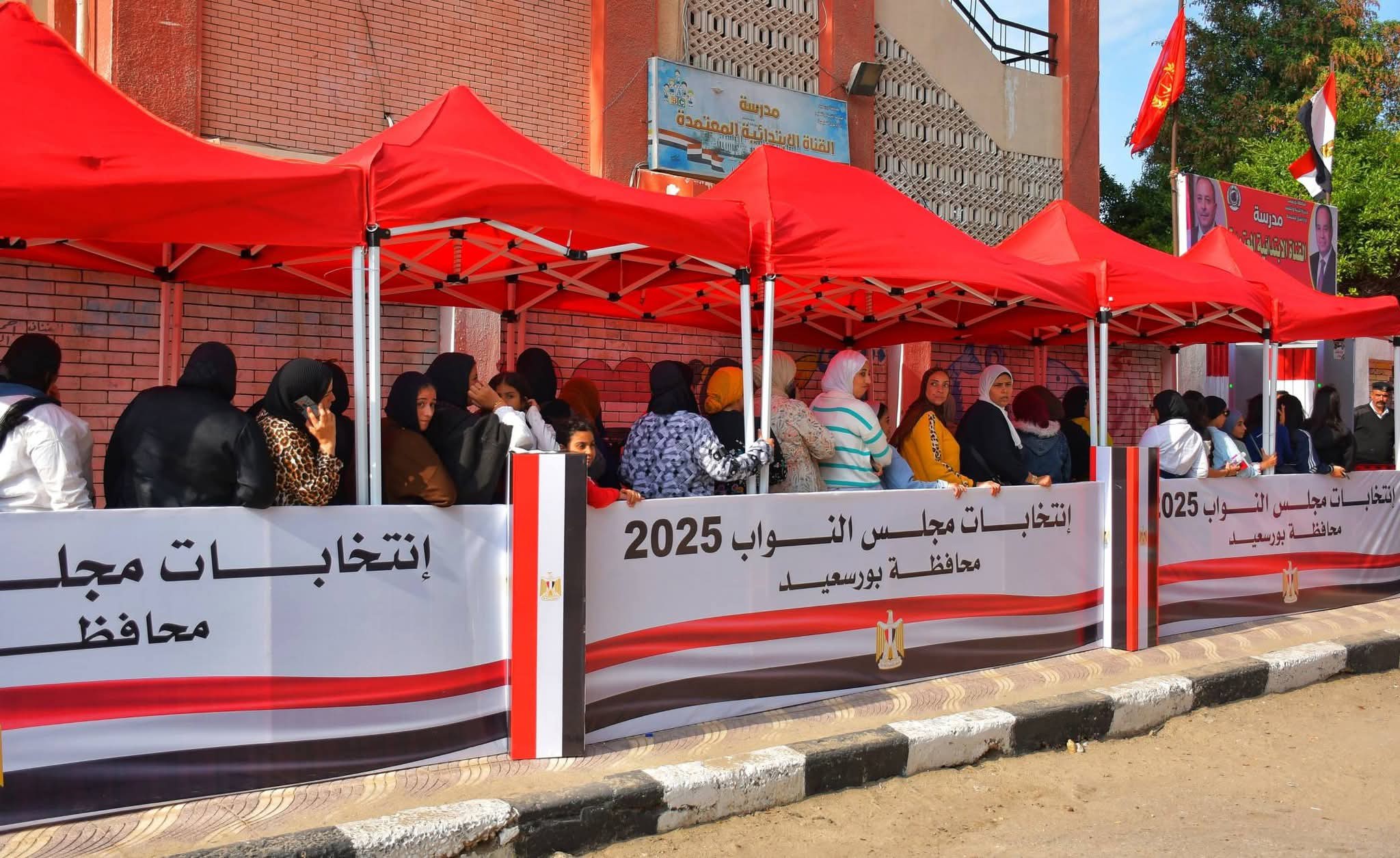
Voter coercion on display in Port Said parliamentary elections
Electoral violations visible on day two of voting in this year’s parliamentary elections saw clear incidents of voter bribery in Port Said.…
Campaign supporters assaulted at Shubra polling stations, electoral candidates say
Two candidates running for parliamentary election in the Shubra constituency reported incidents of physical violence on Tuesday, perpetrated against their team members…
Your support is the only way to ensure independent, progressive journalism survives.
You have a right to access accurate information, be stimulated by innovative and nuanced reporting, and be moved by compelling storytelling. Subscribe now to become part of the growing community of members who help us maintain our editorial independence.
Join us