
PMI shows improved sentiment among tier of Egypt’s businesses, though inflationary pressures expected in future
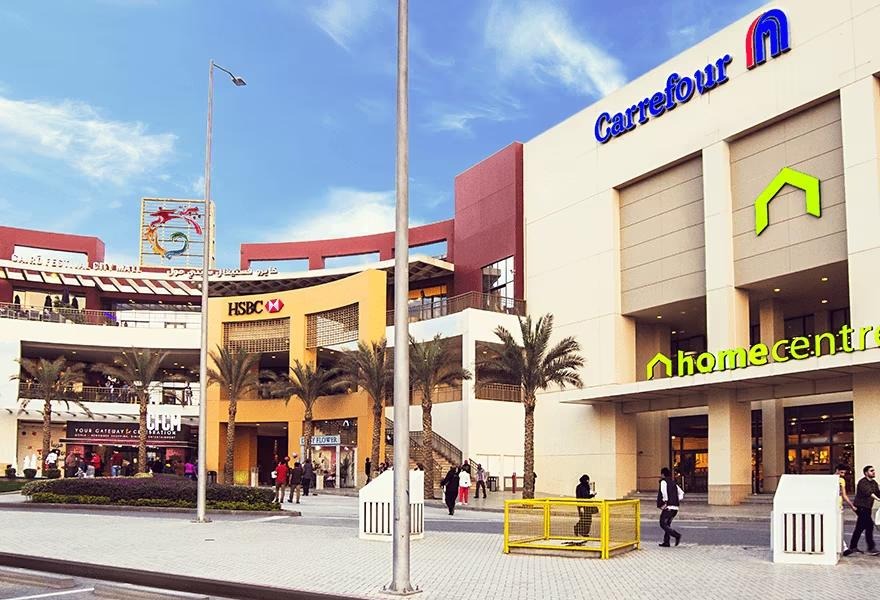
Non-oil private sector activity crossed over to record overall growth in Egypt for August, following four years of contraction, according to the S&P Global Ratings’ Purchasing Managers’ Index (PMI) report released on Tuesday.
The PMI — which represents a small snapshot of a tier of businesses operating in Egypt — scored 50.4 points for August compared to 49.7 for July, marking the first time in three years that Egypt has crossed the 50 mark that separates growth from contraction.
Two industry figures who spoke to Mada described the improvements as evidence of a slight recovery following years of economic crisis, pointing to recent macroeconomic changes in the wake of a major injection of foreign currency liquidity and a devaluation earlier this year.
The index, however, notes that inflationary pressure and weak demand could continue to present challenges to businesses operating in the country.
The PMI report surveys the perspective of purchasing managers at about 400 companies in Egypt, economic researcher Wael Gamal told Mada Masr on Tuesday. These are most likely the biggest companies among over three million private businesses operating in Egypt.
“It relies on purchasing managers because they are the link in the chain that focuses on future purchases of materials or otherwise, but most of these private businesses evaluate based on anecdotal information, not real data,” Gamal noted.
Given its methodology, it acts mainly as an indicator of the trust levels of a section of the private sector in the Egyptian economy rather than as a representation of the whole economy, he concluded.
According to the August PMI report, the new expansion in the non-oil private sector economy is marked by businesses raising their levels of output, expanding their inventories and hiring more staff, with optimism toward future business activity reaching its strongest since mid-2022.
“Notably, several of the PMI sub-indices signaled growth in August, with increases in output, employment and purchasing activity showing that firms were confident enough to expand their activity and capacity. Business expectations were also up, adding to signs that firms are hopeful that economic conditions are set to be more stable,” S&P senior economist David Owen noted.
Financial analyst Hesham Hamdy told Mada Masr that the non-oil industrial sector is indeed witnessing some growth, adding that the trend does not indicate an improvement over pre-economic crisis levels but a recovery from the crisis that he expects to continue across all economic sectors.
Both Hamdy and Federation of Egyptian Industries board member Mohamed al-Bahy agreed that the improvements are due to recent economic reforms implemented by the Central Bank of Egypt, including investments to make foreign currency available again in the market and the facilitation of basic commodity imports after a long deadlock.
The central bank devalued the Egyptian pound by around 60 percent against the dollar earlier this year, hiking interest rates by a record 600 basis points at the same time in a bid to control inflation and prevent dollarization.
The steps came in the same period during which the government agreed on an augmentation to its existing loan program with the International Monetary Fund and concluded the landmark Ras al-Hikma deal, which saw the United Arab Emirates pump billions of dollars into Egypt’s economy in exchange for development rights to a vast area of land on the Mediterranean coast.
These reforms have increased trust in Egypt’s economy in the eyes of domestic and international investors, Bahy said.
“With things returning to normal with the availability of the dollar, the return of imports after periods of shortage, and investments going back to normal, companies began to expand their capital and return to producing more at the normal capacity they were used to before the issues, all of which led to more economic activity and improvement,” said Hamdy.
However, Owen still pointed out ongoing risks still facing the sector. “The situation appears mixed, with many companies still reporting weak client demand, leading to another slight drop in total new orders. Rising price pressures are another risk. August data signaled the fastest uplifts in costs and charges for five months, which has the potential to limit spending and weaken the market recovery,” he noted.
Bahy noted the likelihood of inflation in the future too, characterizing rising costs of production and prices of output as a global problem. He noted that the increasing costs will likely lead investors to raise costs in turn to increase their profit margin.
أخبار ذات صلة
Iran war threatens fragile Egyptian economy, again
While people in Iran shelter from United States and Israeli strikes across the country, and Gulf nations absorb the shock of retaliatory…
Hot money inflows boost Egyptian pound against the dollar
The Egyptian pound has appreciated against the United States dollar over recent days, reaching its highest exchange value since the beginning of…
Market sources: Egyptian pound fluctuates after foreign investors pull at least $2 bn from Egypt’s debt market
Amid global market turbulence caused by United States President Donald Trump’s new tariff regime, foreign investors withdrew between US$2 billion and $2.25…
First ever transfer fees announced by state-owned Instapay
Transfers made through the app will incur a 0.1 percent fee, with a maximum cap of LE20 in fees per
Your support is the only way to ensure independent, progressive journalism survives.
You have a right to access accurate information, be stimulated by innovative and nuanced reporting, and be moved by compelling storytelling. Subscribe now to become part of the growing community of members who help us maintain our editorial independence.
Join us