
Official report blames human error for majority of traffic accidents

A government report released Wednesday by the Ministries of Interior and Transportation has claimed that the majority of Egypt’s road and railway accidents are caused by human error.
The report suggests that human error accounts for 62 percent of accidents on the road, while technical problems account for 16 percent of accidents and road conditions a further 1.8 percent. The main source of human error, according to the report, is lack of vigilance, followed by excessive speed and errors in overtaking other motorists.
There were 100,000 accidents on Egypt’s roads — amounting to 50,000 kilometers of roadway — between 2008 and 2012, the period covered by the new report.
There were 33,000 fatalities, 155,000 injuries and 125,000 cars destroyed. In the same period, according to the report, there were 4,000 train accidents, leading to the deaths of 319 people and a further 500 injuries.
Forty percent of accidents involved lorries and 33 percent private cars. Another nine percent of accidents involved microbuses and seven percent involved buses.
The highest rate of accidents in the period covered was in 2010, a year that saw 24,000 accidents and 7,000 deaths. 2012 saw the lowest rate of traffic accidents, with 15,500 total accidents and 6,431 killed.
According to the World Health Organization (WHO), however, there are more than 12,000 fatalities each year from road traffic crashes in Egypt.
Research by the WHO into road safety suggests factors other than human error play a part in the frequency of crashes.
Egypt is one of 10 countries included in the five-year WHO Road Safety initiative. Egypt’s road safety project includes representatives from the Ministries of Interior, Education, and Health as well as civil society groups.
One of the main issues highlighted by the project is that while there is legislation related to road safety in place, these laws are poorly enforced.
This, the WHO says, is compounded by the absence of any adequate provision of infrastructure for non-motorized modes of transport and poor public awareness on road safety.
The project cites a recent survey which found that 75 percent of respondents did not understand the importance of wearing seat-belts. The report suggested that public awareness about seat-belts and speeding could reduce the number of accidents in Egypt.
According to the WHO’s 2013 annual global report on world safety, 92 percent of traffic deaths occur in low- and middle-income countries, while these countries have just 53 percent of the world’s registered vehicles.

أخبار ذات صلة
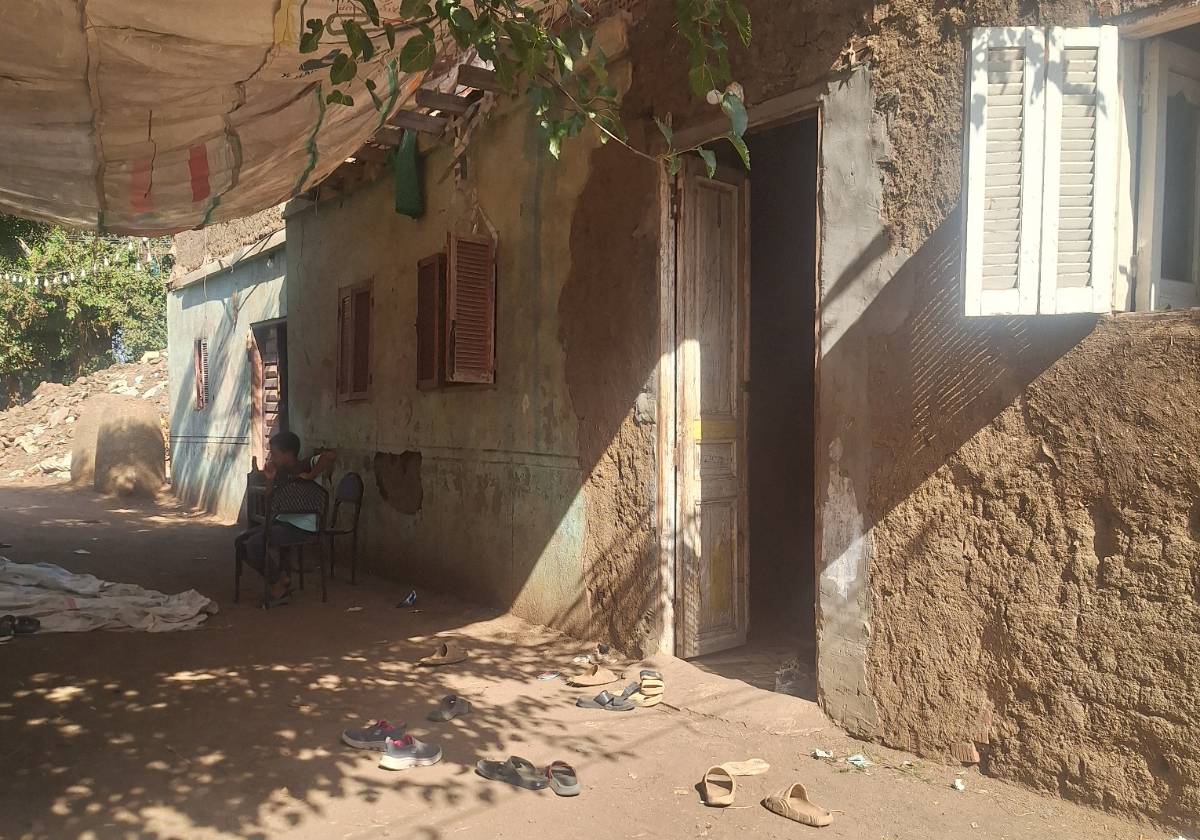
Police close off Kafr al-Sanabsah village in Monufiya after fatal crash exposes harsh living conditions
Police officers have been patrolling near the homes of victims of last month’s deadly road crash in Monufiya to ensure that no…
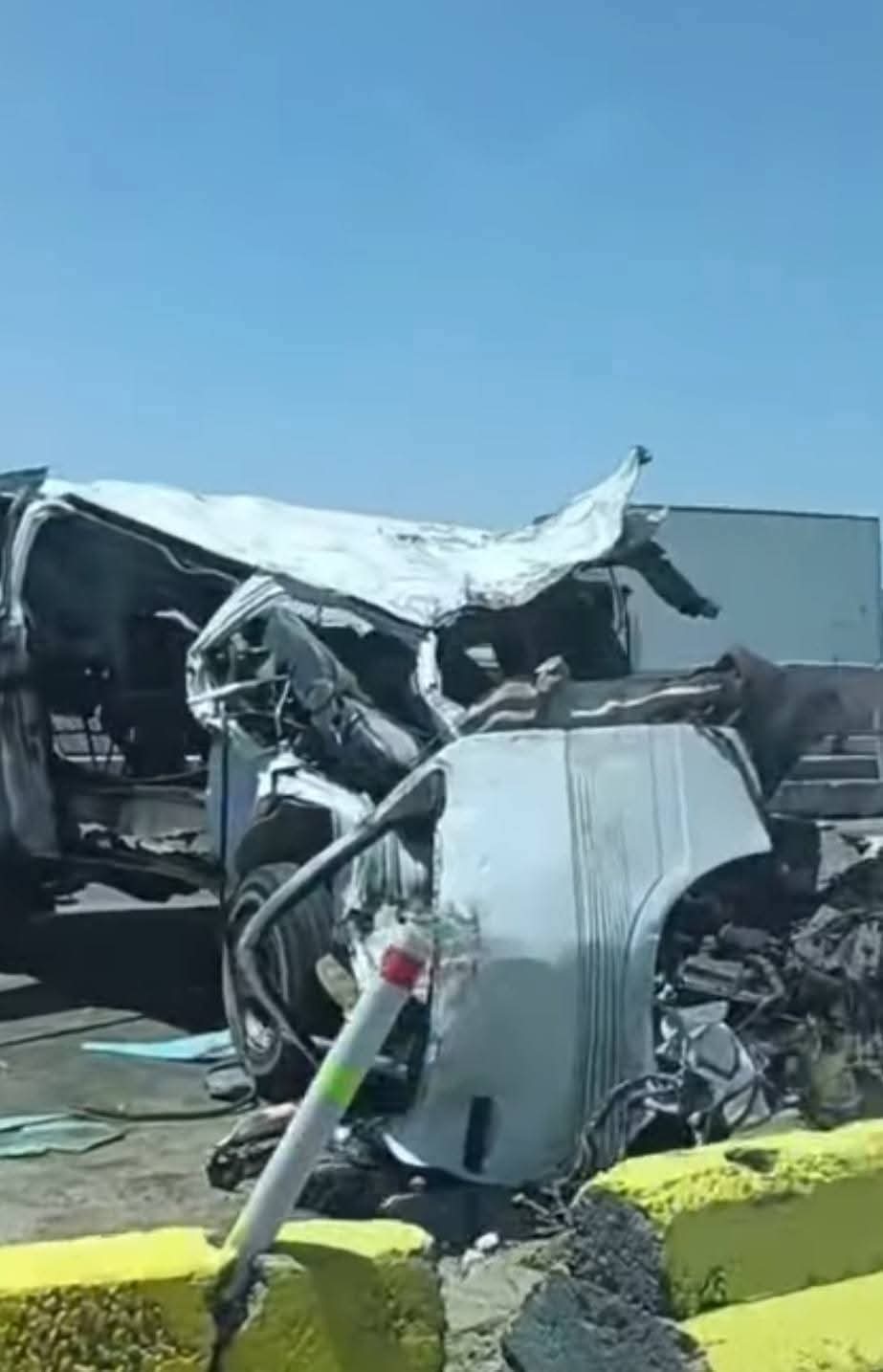
Another crash on Monufiya ring road kills 10, Sisi orders govt to ‘study’ road closure
A crash on the Regional Ring Road in Monufiya killed 10 people on Saturday, marking the second incident of its kind in…
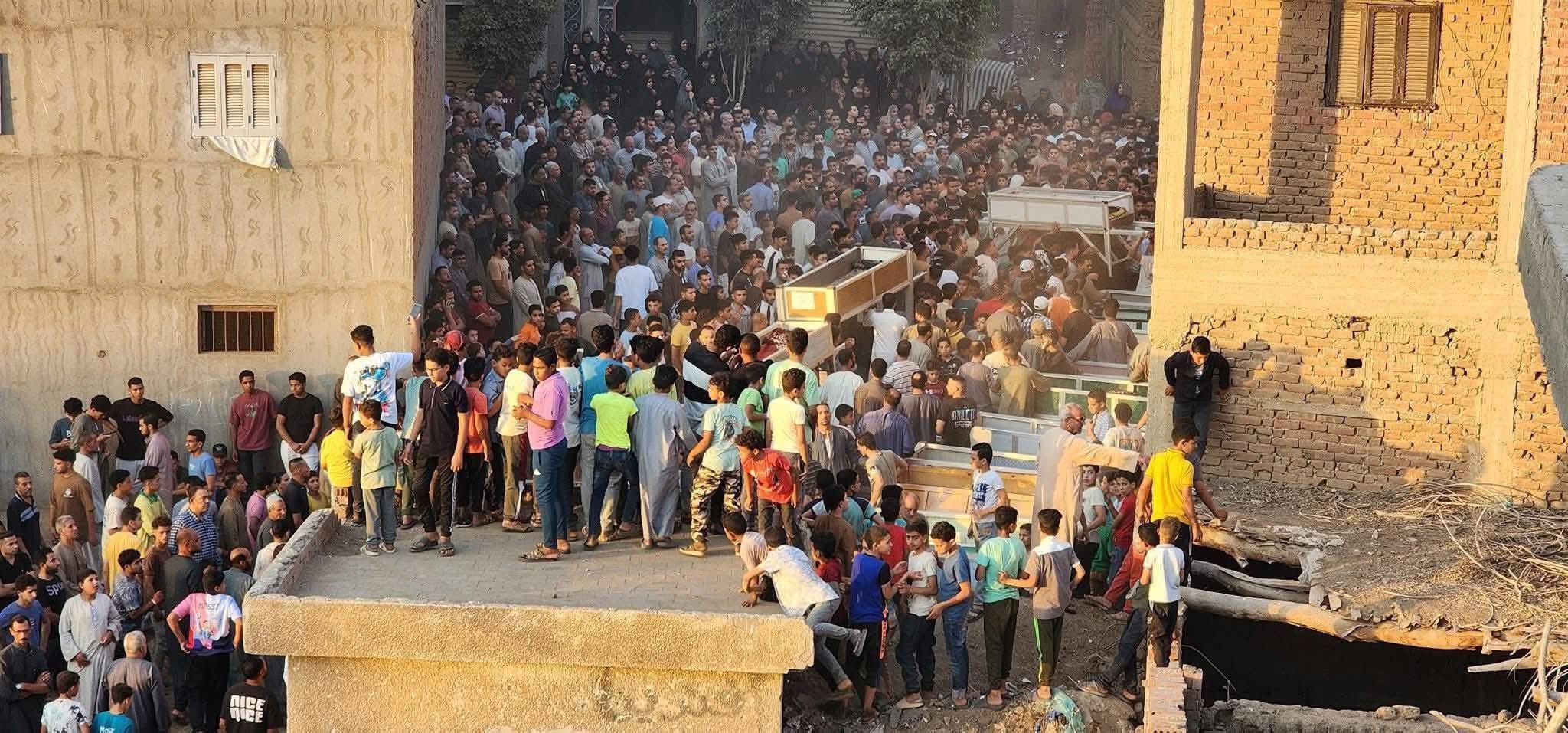
‘I’m not quitting, I’ll stay until I die’: Transport minister defends road quality amid uproar after 19 killed in Monufiya collision
The ministers’ Sunday responses followed weak initial engagement with the news of the crash and vict
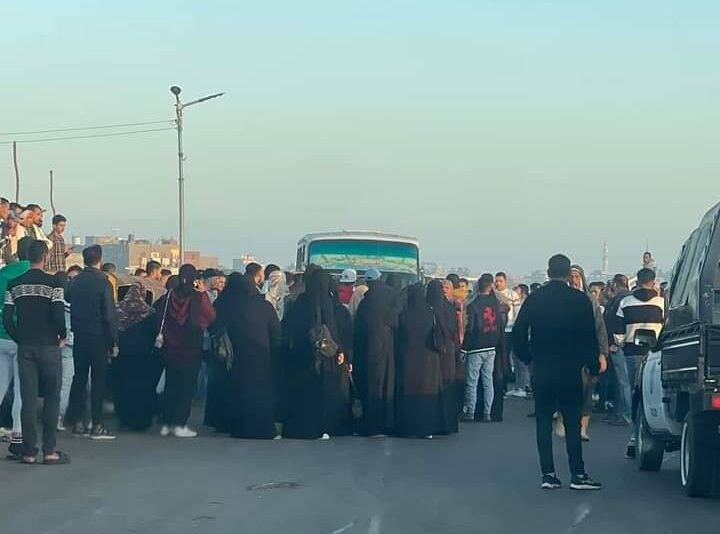
Prosecution opposes release of 5 Matareya residents charged with inciting protest for road maintenance
A local court gave orders on Saturday for the release of five residents of Matareya, Daqahlia, who have been detained since November…
Your support is the only way to ensure independent, progressive journalism survives.
You have a right to access accurate information, be stimulated by innovative and nuanced reporting, and be moved by compelling storytelling. Subscribe now to become part of the growing community of members who help us maintain our editorial independence.
Join us