
New law allows universities to expel students for vandalism

A new law granting university presidents the right to expel students “who practice acts of vandalism” was issued Sunday by Interim President Adly Mansour.
The law, published in the official gazette on February 16, gives university presidents the right to expel students who “practice acts of vandalism that obstruct the teaching process, target university facilities or exams, assault individuals or public or private property, incite violence among students, or contribute in any of the aforementioned actions.”
The new Article 184 of Law 49/1972, which regulates universities, stipulates that the university hold an investigation within one week of an incident and notify the student through an official letter.
Any decisions taken by the disciplinary committee, which must include a member of the State Council and a professor from the law faculty, can be appealed before the Supreme Administrative Court.
The law was drafted early January by a committee formed by the Supreme Council of Universities and headed by Cairo University President Gaber Nassar, then referred to Professor Hossam Eisa, deputy prime minister and minister of higher education, for approval, followed by the Cabinet and Mansour.
A Cairo University statement said the amendment aims at “returning discipline to the university and preventing violence while allowing students to challenge expulsion decisions before the Supreme Administrative Court.”
Earlier this week Alexandria University President Osama Ibrahim announced the signing of a cooperation protocol between the Interior Ministry, the Ministry of Higher Education and the Supreme Council of Universities to secure the teaching process in the university during the second semester.
“The police will protect university facilities from the outside, and secure the campus from any external aggression, while being prepared to intervene if needed upon request from the university president,” Ibrahim said during his meeting with the faculty of pharmacy’s council.
Ibrahim said that this will not “mean stripping students of their freedom of expression, which is granted for all students as long as they don’t resort to violence against individuals or facilities.”
Meanwhile, early Tuesday, Cairo University suspended professors Pakinam al-Sharkawi and Saif Eddin Abdel Fattah, advisers of ousted President Mohamed Morsi, for three months and put them under investigation due to accusations of “inciting violence at the faculty of Economy and Political Science during former faculty dean Professor Abdel Malek Oda’s memorial ceremony,” privately owned Al Masry Al Youm newspaper reported.
The accusations, filed by university staff, also include “combining two positions, and receiving salaries from the faculty of Economics and Political Science as well as from their positions as presidential advisers in violation of the law regulating universities.”
Abdel Fattah is also accused of taking on the position as Morsi’s adviser without obtaining permission from the university.
The two professors are suspended for three months, pending investigation before a legal committee formed of a number of professors from the faculty of law.
Security crackdown on students has been evident as numerous clashes have taken place between students and police at Al Azhar, Cairo, Ain Shams and Mansoura universities among others since security forces violently dispersed a pro-Morsi sit-in outside Nasr City’s Rabea al-Adaweya Mosque on August 14, 2013.

أخبار ذات صلة
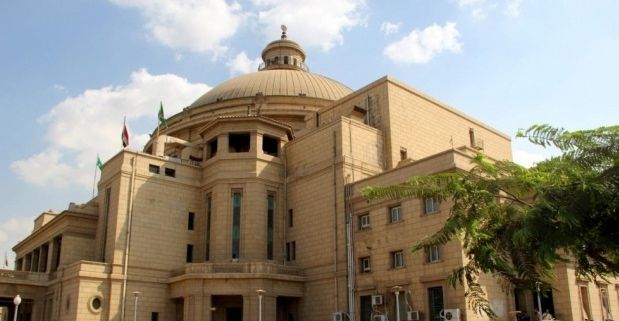
Dozens protest ban on niqab at Cairo University
Dozens of Cairo University students, faculty members and medical staff protested on Sunday against a ban on wearing niqab, both on campus and at university-affiliated medical centers. Although the demonstration…
Cairo University reverses cancellation of professor’s sabbatical
Cairo University has reversed its earlier decision to cancel faculty of arts Assistant Professor Kholoud Saber’s sabbatical, Saber reported on her Facebook…
Cairo University professor exposes security intervention in academic freedoms
Egypt’s academic community has been fighting intervention by security bodies into academic life since former President Hosni Mubarak. Many scholars have voiced major concerns over the state’s tight grip on…
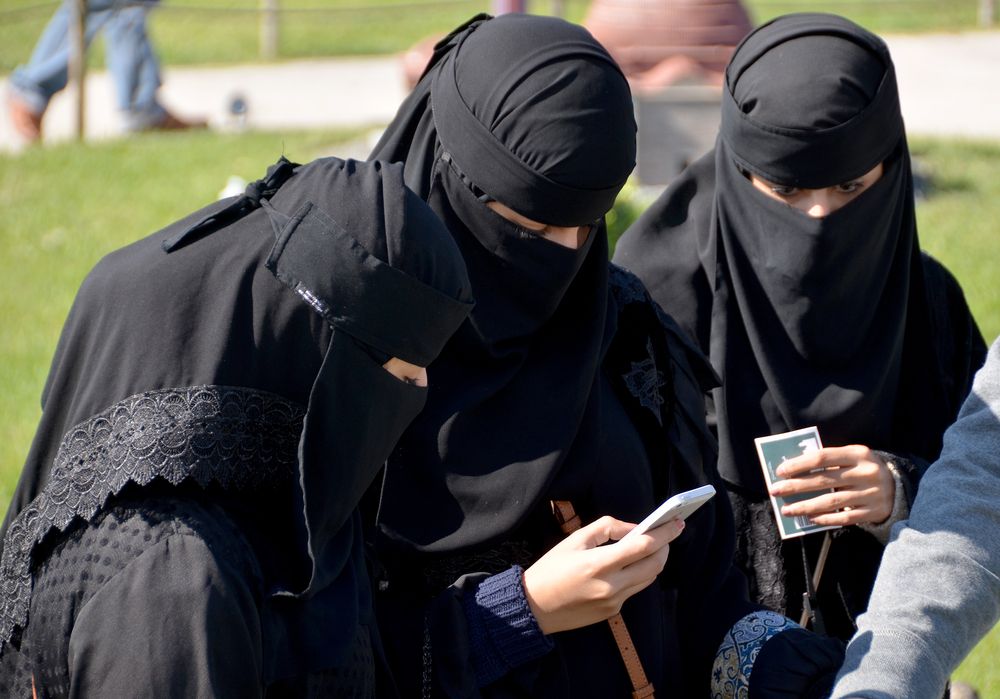
Cairo University bans professors from wearing niqab
Cairo University President Gaber Nassar has prohibited female professors from wearing niqab, due to complaints that women wearing a full face veil couldn’t…
Your support is the only way to ensure independent, progressive journalism survives.
You have a right to access accurate information, be stimulated by innovative and nuanced reporting, and be moved by compelling storytelling. Subscribe now to become part of the growing community of members who help us maintain our editorial independence.
Join us