
Mubarak trial postponed to February 8
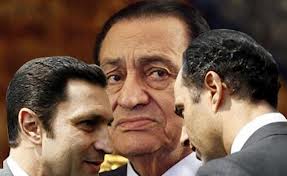
Cairo Criminal Court postponed former President Hosni Mubarak's trial to February 8 on Sunday, summoning former Military Police Chief Hamdy Badeen for testimony, state-run Al-Ahram daily newspaper reported Sunday.
The court also asked to hear the testimony of the Chief Executive of National Telecommunications Amr Badawy concerning the cutting of cell phone and Internet lines in 2011.
On February 9, Khaled Tharwat, head of national security, will testify as requested by Former Interior Minister Habib al-Adly's defense.
And on February 10, Ayman Fahim of the Presidential Guard and Mohamed Kamal al-Dally, head of security in Giza will both testify before Cairo Criminal Court.
The court also requested that all reports concerning the events of January 2011 be presented to the interior minister, as well as all presidential documents concerning central security forces from the time the body was established until it was dissolved after the January 25 revolution.
On Sunday, renowned journalist and TV presenter Ibrahim Eissa gave a vague testimony of the events of the "Friday of Anger," January 28, 2011, in the ongoing case against Mubarak.
Eissa stated that he does not believe that the former President ordered the killing of protesters. He received a one-year prison sentence during Mubarak's rule in 2006 for publishing false information about the president's health, but was pardoned by Mubarak in 2008.

أخبار ذات صلة
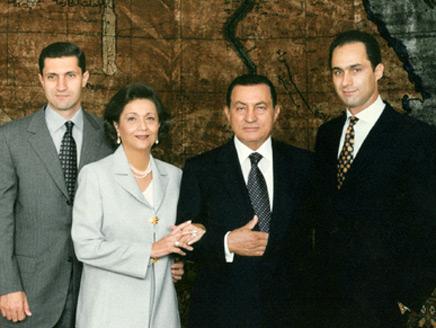
Lawsuit to prevent Mubarak’s family from running for office postponed to November 25
The seeks to reopen investigations into the family’s funds and re-suspend their political rights
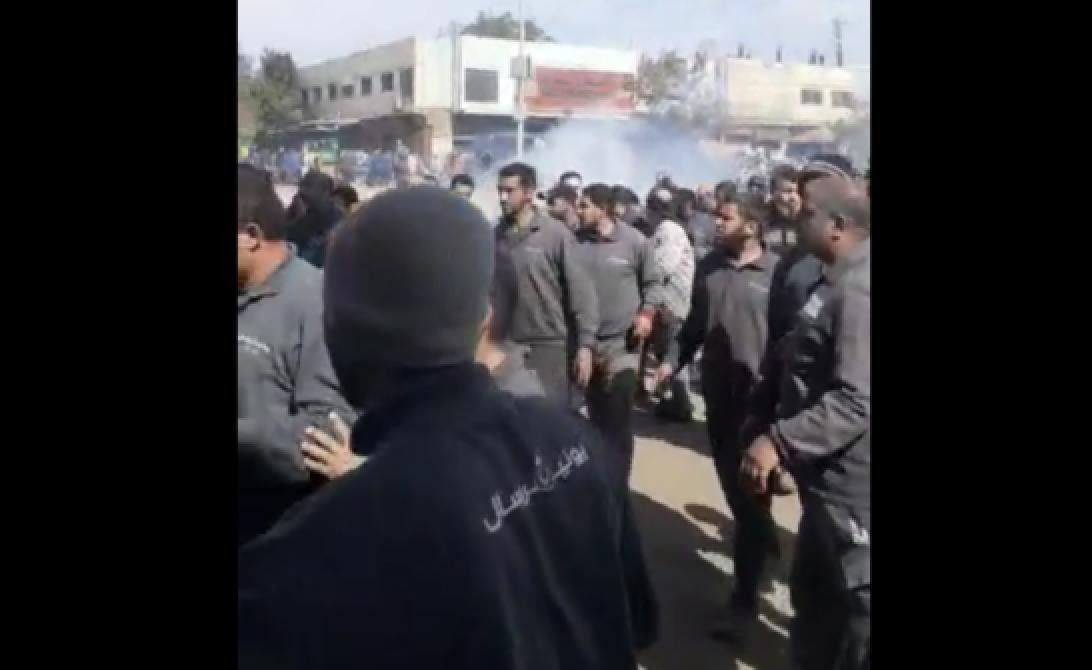
Security forces use tear gas to disperse sit-in at Universal Appliances spurred by worker suicide
Assem Afify suffered financial difficulties due to the delayed payouts
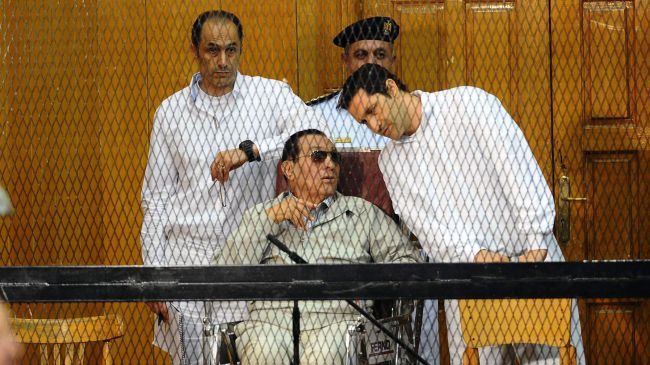
Three days of mourning announced for former President Hosni Mubarak
The presidency issued a statement expressing “great sadness" over Mubarak's death.
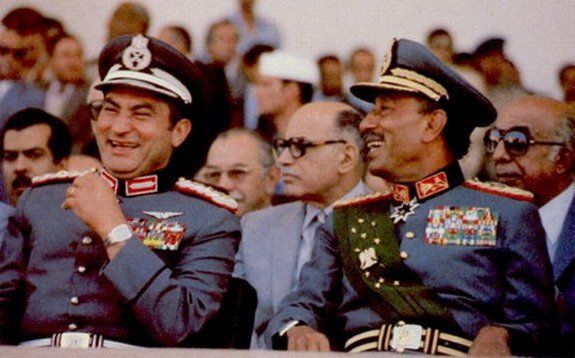
Hosni Mubarak (1928–2020): The rise and fall of Egypt’s longest-ruling president
Mubarak used fear of Islamists to justify a repressive police state.
Your support is the only way to ensure independent, progressive journalism survives.
You have a right to access accurate information, be stimulated by innovative and nuanced reporting, and be moved by compelling storytelling. Subscribe now to become part of the growing community of members who help us maintain our editorial independence.
Join us