
Mubarak embezzlement case postponed to March 19
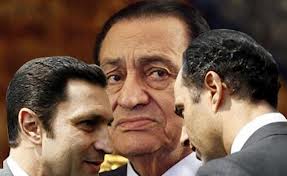
After holding its first session on Wednesday, Cairo’s Criminal Court postponed the trial of former President Hosni Mubarak and his two sons, who have been charged with embezzlement of state funds amounting to LE125 million pounds, originally allocated for maintenance of presidential palaces.
The case also includes four former state officials who have been accused of facilitating the embezzlement of state funds by Mubarak and his sons, who used the allocated budget for work on their personal property from 2002 to 2011.
The case was referred to the criminal court in June 2013, with only Mubarak and his sons as defendants. However, during its first session the court ordered that the case be returned to the prosecution, in order to add four more state officials who are accused of facilitating the Mubarak family embezzlement.
The court ruled in August 2013 to release Mubarak from custody, while his two sons remain detained pending trial.
Mubarak’s lawyer, Farid al-Deeb, demanded the release of Alaa and Gamal during Wednesday’s court session.
During the first session, the four new defendants denied all charges of facilitating the crimes of Mubarak and his sons.
Mubarak and his two sons were present for the trial and also denied charges against them.
The deposed president is also undergoing a retrial in a separate case where he faces charges of killing protesters during the events of January 25 revolution.

أخبار ذات صلة
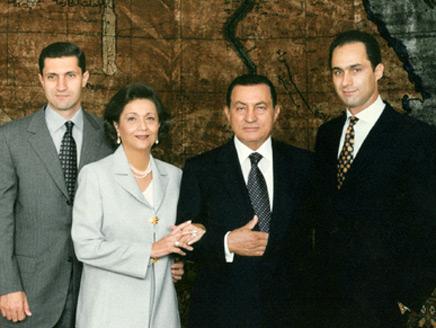
Lawsuit to prevent Mubarak’s family from running for office postponed to November 25
The seeks to reopen investigations into the family’s funds and re-suspend their political rights
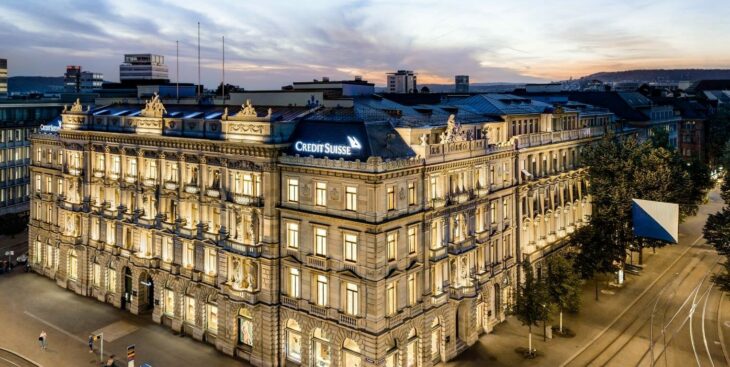
Mubarak-era figures with history of corruption banked with Credit Suisse, says new investigation
At least US$500 million was held in accounts at the bank belonging to the Mubarak-era figures
Mubarak family vows to sue after court reverses EU sanctions on assets
Sanctions were also lifted for Mubarak-era ministers Habib al-Adly and Zoheir Garana
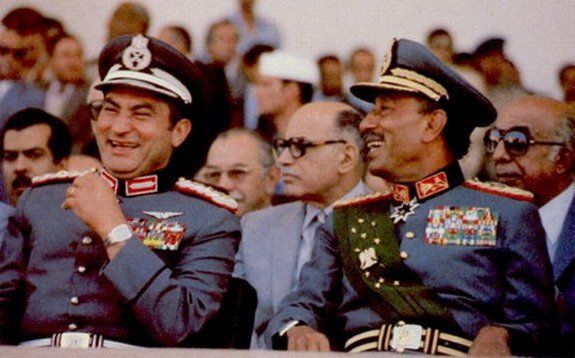
Hosni Mubarak (1928–2020): The rise and fall of Egypt’s longest-ruling president
Mubarak used fear of Islamists to justify a repressive police state.
Your support is the only way to ensure independent, progressive journalism survives.
You have a right to access accurate information, be stimulated by innovative and nuanced reporting, and be moved by compelling storytelling. Subscribe now to become part of the growing community of members who help us maintain our editorial independence.
Join us