
Moody’s: Egyptian banks to profit from Thursday’s economic measures
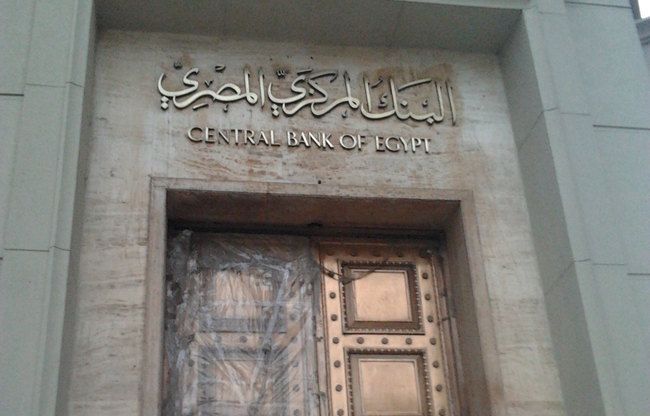
Egyptian banks will benefit from the recent economic measures taken by the Central Bank of Egypt (CBE), increasing their profitability which is seen as credit positive, according to a report released by Moody’s credit rating agency on Monday.
The CBE liberalized the exchange rate on Thursday, leaving the value of the Egyptian pound to the discretion of the banks. Although the pound began at a guidance price of LE13 to the US dollar on Thursday, it quickly weakened to LE17.25 to the dollar by Tuesday in both the National Bank of Egypt, and the Commercial International Bank (CIB).
In an effort to curb inflationary repercussions, the CBE also raised interest rates by 300 basis points, increasing deposit rates by 14.75 percent and lending rates by 15.75 percent.
Moody’s predicts that the liberal exchange rate will boost the government’s efforts to attract foreign investment and improve Egypt’s trade competitiveness, which would in turn boost foreign currency liquidity in banks and help them expand their business activities.
Additionally, the higher interest rates will increase the profitability of banks which are highly exposed to government securities according to the report, which added that government treasury bills and bonds amounted to LE1.24 trillion in July 2016, representing 43 percent of total bank assets.
According to Moody’s estimates, half of the banks’ investments in government securities are short term treasury bills that are expected to mature shortly, which will allow banks to reinvest at the higher interest rates.
Conversely, the cost of bank deposits is expected to see minimal increases because banks depend on current and savings accounts which are low cost sources of funding.
The report asserts that the positive effects of the new economic policies would offset any of the ramifications for Egypt’s banks.
Negative repercussions include the falling quality of loans due to higher interest rates and the apprehended hike in inflation, particularly for small and medium enterprises that are currently targeted by banks as a growth segment. However these are unlikely to greatly impact banks as the private sector is not highly dependent on loans for its new investments, and thanks to central bank regulations aimed at ensuring debt affordability.
Last January the CBE capped debt service at 35 percent of income for individuals and companies to ensure borrowers are able to afford their debts.
Egyptian banks were able to achieve high profit growth rates in the past few years with the CIB, the largest publicly traded bank in Egypt, achieving a 26.5 percent rise in net profits from LE3.74 billion in 2014 to LE4.73 billion in 2015.

أخبار ذات صلة
Egypt awaits US$ 1.2 bn payout after passing IMF’s 4th loan review
The International Monetary Fund (IMF) announced on Tuesday that Egypt passed its fourth review as part of its ongoing US$8 billion loan…

Drug prices set to increase
The EDA approved price increases after increased requests from pharmaceutical companies

Generosity knocked out of the box: How economic crisis has shrunk Ramadan food donations
Every year, millions of donated food boxes, known as "Ramadan cartons," are distributed across Egypt throughout the month, circulated from individuals to small charitable organizations to large entities, including government…
Importers: Late fees on shipments stuck in customs are too expensive for us to collect goods
Around US$2.5 billion worth of imported goods were still stuck in the ports on Wednesday, a government official told the press, weeks…
Your support is the only way to ensure independent, progressive journalism survives.
You have a right to access accurate information, be stimulated by innovative and nuanced reporting, and be moved by compelling storytelling. Subscribe now to become part of the growing community of members who help us maintain our editorial independence.
Join us