
Libya denies entry to more than 2,000 Egyptians

The Libyan authorities prevented more than 2,000 Egyptians from reentering Libya after returning home for the Eid holidays, claiming that they did not have residency permits.
Guards at the Salloum border crossing notified the Matrouh Security Directorate on Monday that 140 microbuses carrying Egyptian workers were halted at the checkpoint.
Egyptian authorities instructed the workers to return to their hometowns and leave the Salloum border until steps were taken to legalize their entry.
Last April, the Ministry of Foreign Affairs announced that over 4,000 Egyptians had entered Libya illegally in 2013.
Last month, the Musaid border was closed after a series of assassinations in Libya’s eastern cities.

أخبار ذات صلة

Sudan Nashra: PM Kamel Idris yet to form govt, pledges nonpartisan cabinet | RSF launches major assault on Babanusa, West Kordofan | RSF expands near border triangle | Military airstrikes on Nyala continue
A month after his appointment, Prime Minister Kamel Idris, whose selection drew regional and international support and expression of hope that he…
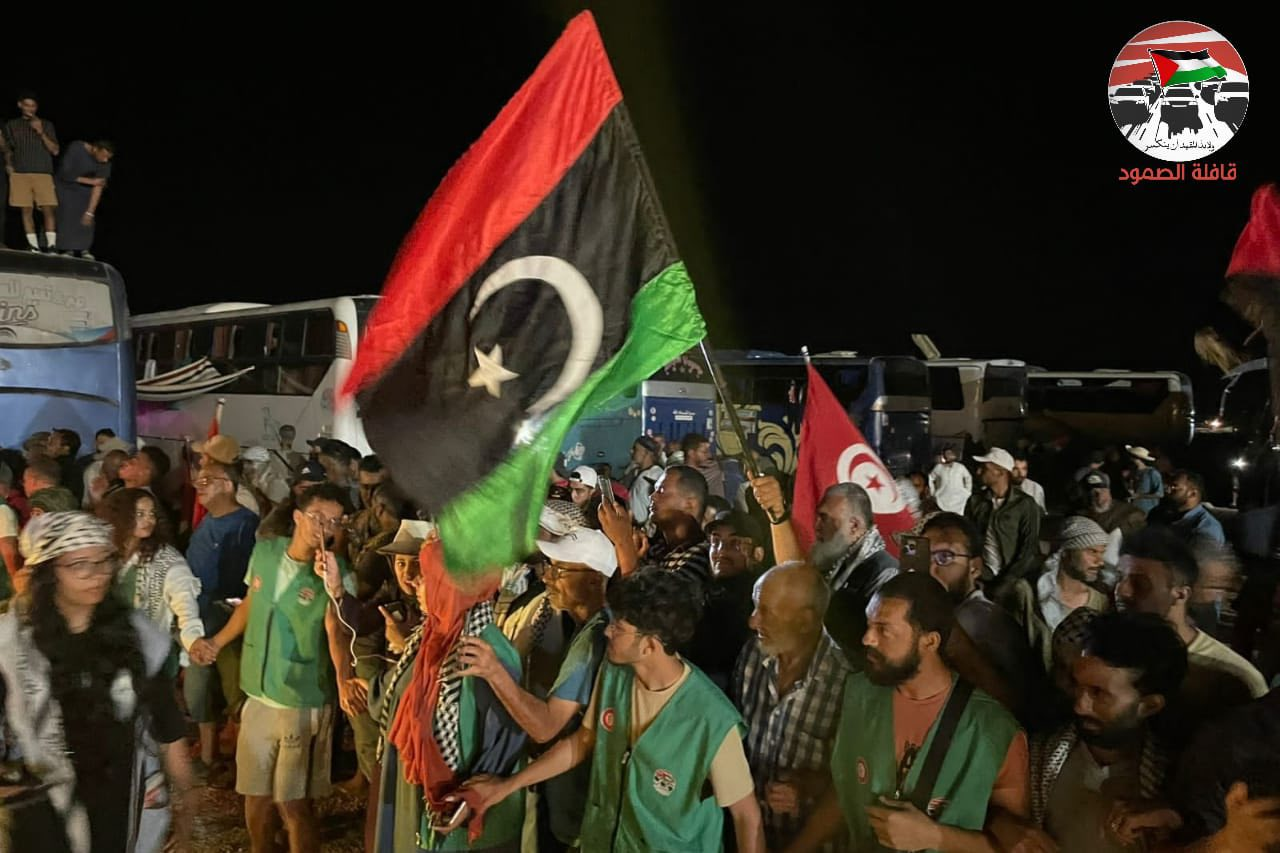
Sumud caravan to Gaza suspends operations after Cairo, LNA block movement
Egypt, the eastern Libyan government official told Mada Masr, was keen to avoid potential embarrassm
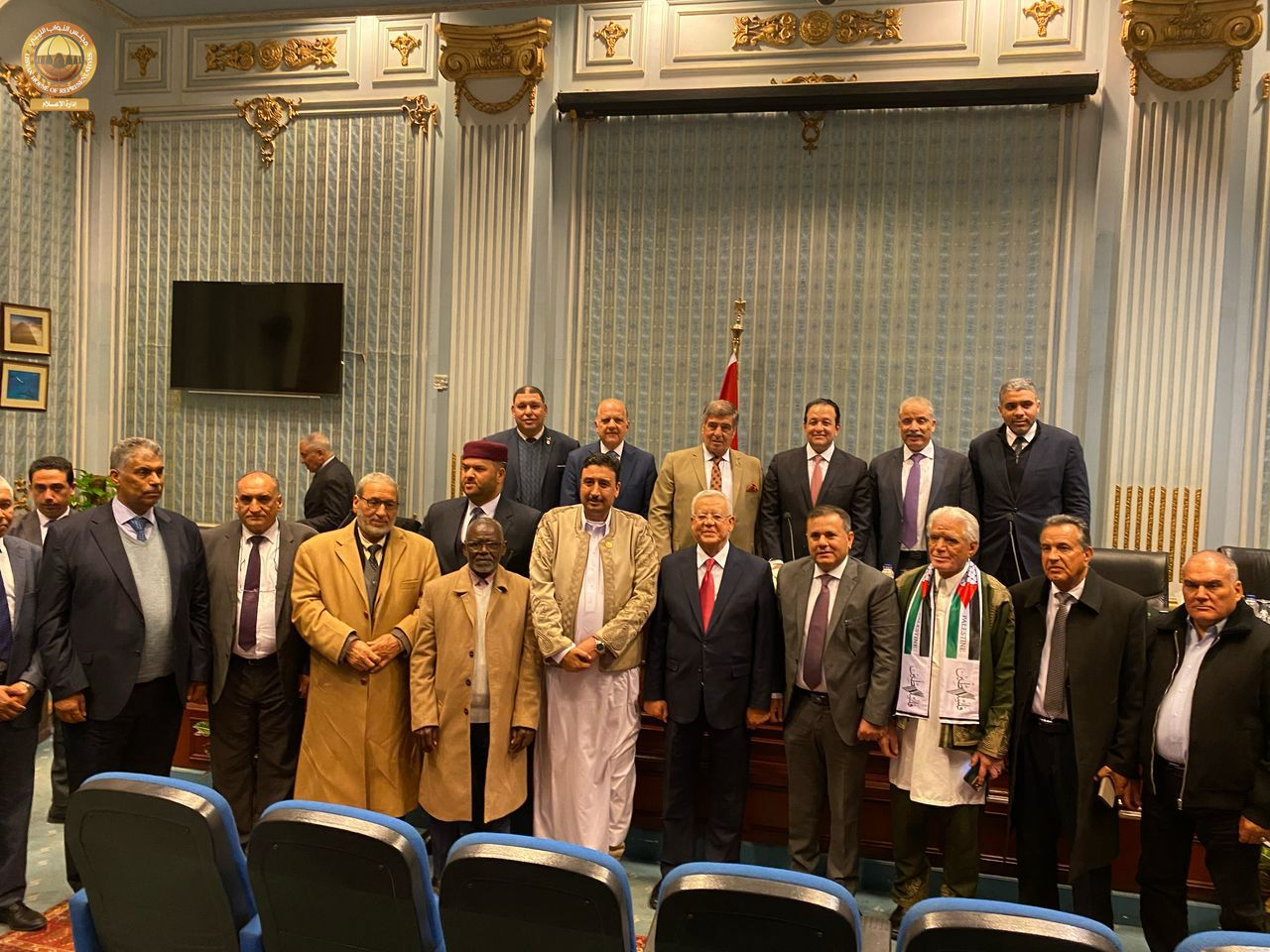
Analysts: Egypt aids obstructionist efforts of Libyan legislatures to stall UN-led political process
The political process to determine Libya’s future should be the “exclusive ownership” of Libyan official institutions, members of the country’s two legislative bodies declared Tuesday at the conclusion of two…

12 Egyptians missing after boat carrying undocumented migrants capsizes off Libyan coast
A boat carrying 13 passengers capsized at sea on Monday evening nearly 60 kilometers from Tobruk, a city on Libya’s eastern Mediterranean…
Your support is the only way to ensure independent, progressive journalism survives.
You have a right to access accurate information, be stimulated by innovative and nuanced reporting, and be moved by compelling storytelling. Subscribe now to become part of the growing community of members who help us maintain our editorial independence.
Join us