
Israel kills 20 in airstrike on displaced people in Barja residential building

Israel struck an apartment in a residential building in the town of Barja on the Lebanese coastline on Tuesday evening. Two eyewitnesses told Mada Masr that the building was home to residents who had been displaced to Barja after fleeing the villages of Ain al-Baal and Tayr Deba, a few kilometers south.
The Lebanese Health Ministry said in a statement on Wednesday morning that 20 people were killed and 14 more were injured in the airstrike.
The two eyewitnesses, speaking a few hours after the statement was released, said that the number of people killed had risen to 25.
Tuesday evening’s raid was not the first in recent weeks to hit the town, which is currently crowded with some of the hundreds of thousands of people forced to leave Lebanon’s south under the threat of constant fire from Israel amid its aggression on the country.
Hassan Aliq, a resident of Barja who witnessed the airstrike, said that the site targeted was above the New Road. “I saw a flash light up in the sky and heard the sound of an airstrike,” he told Mada Masr.
Footage emerging from the scene on Tuesday night after 8 pm showed people rushing to the site where a fire had broken out. Other buildings in the vicinity had been damaged by the blast, with the curtains on a neighboring apartment block tattered into shreds.
A Mada Masr correspondent in south Lebanon said that the building struck was three stories high and that it was located near a secondary school in the area which is being used as an official shelter for the displaced. Those sheltering in the school were unharmed.
Images of the building on Wednesday morning showed search and rescue teams excavating the building, and the majority of one side destroyed by the blast.
“Those living in the building were from Ain al-Baal, from the Basma family,” said Aliq, noting that they had been displaced to Barja by Israel’s aggression. A list of names of those killed circulating online on Wednesday morning included 14 members of the Basma family.
Ain al-Baal lies in the Sur district — an area which has been subject to daily airstrikes for weeks, the latest of which took place on Wednesday morning. Residents of the district capital, the city of Sur, were ordered by the Israeli military to evacuate when it began to aim fire at the city center last week.
Others who were killed in the targeted building were originally from the village of Tayr Dibba. Hussein Saad, the village’s former mayor and a media professional who is residing in Barja, told Mada Masr that “some of them were from my town of Tayr Dibba, and the majority from our neighboring town of Ain Baal in the Sur region.”
“Those who fell in the raid on the building in Barja were civilians,” Saad added. He explained that many displaced people sought shelter in Barja believing it to be a safe option.
The Lebanese National News Agency reported in October that 23,000 displaced people are currently taking shelter in Barja. Of them is Aliq, who said that he is originally from Yahmor, a village in Nabatieh to the southeast, and that he, too, took residence in Barja after Israel’s escalation.
Saad has a similar story. “I was displaced from my home in Tayr Dibba with the majority of the town’s residents after the escalation of Israeli raids on the villages of the Sur region,” he said. “I chose the town of Barja because my wife is from Barja, and the majority of the area’s residents chose Barja and the villages of the Iqlim al-Kharrub region on the basis that there are no party centers for Hezbollah, given that it is an area considered to be Sunni.”
Israel has claimed that its aggression on Lebanon is intended to target Hezbollah military sites. So far, the aggression has seen it strike people in their homes in the southern suburbs of Beirut, the Beqaa Valley, the historic city of Baalbek and across the governorates of the south.
It has targeted civilian banking and financial facilities, municipal buildings, sites of religious worship and offices belonging to civil defense and paramedic agencies, as well as soldiers in the Lebanese military, the United Nations peacekeeping forces in Lebanon and teams performing medical evacuations.
The Shia-majority governorates of Baalbek-Hermel, Nabatieh and South Lebanon have been among those most violently struck by Israel’s air raids, along with the Beqaa Governorate — which has no particular majority religion, according to the United Nations. So far, over 3,000 people have been killed by Israeli fire in Lebanon, a majority of whom were killed since the end of September when Israel escalated the scope and frequency of its assault on the country.
“The Israeli enemy in its war on Hezbollah and Lebanon does not distinguish between civilians and resistance fighters,” said Saad. “What it committed last night — as in most Lebanese regions, especially in the south, the Bekaa and the southern suburbs of Beirut— is a massacre in every sense of the word.”
In response to a question about whether he intended to flee Barja again after the raid, Saad confirmed that he would remain in Barja. Shelters are crowded with displaced people, he said, and apartments have become rare, and if available, their prices are very expensive. Even if he were to find another place, Saad added, it might also be subject to bombing.
Other Israeli strikes in the last 24 hours included a raid on the town of Ain in the Beqaa Governorate on Wednesday morning which killed six people, according to available figures at the time of writing, and an airstrike on a home in Shihabieh in Sur on Tuesday night which killed five.
Hezbollah, which is clashing with Israeli forces to repel invading troops present at various sites along the south Lebanese border, said that it had launched rocket fire at Israeli military “gatherings” at Maroun al-Ras on Tuesday evening. Other operations it carried out included missile and drone attacks on various Israeli military sites, settlements in northern Israel near the Lebanese border, which it has identified as military targets over recent days, and the occupied Golan Heights.
The group also said it targeted the Tzrifin base, which it said contains military training sites, near Ben Gurion Airport. The Israeli military said one rocket had fallen in an open space and said that the rest were intercepted.
On Wednesday morning, the Israeli military issued more evacuation orders, this time for the city of Nabatieh, the capital of the southeastern Nabatieh Governorate which has been subject to daily waves of airstrikes for weeks.
Before that, Israel and Hezbollah had exchanged limited, daily attacks since October 8, 2023, when Hezbollah launched missiles on Israel saying it was acting to support Palestinians under Israeli fire and siege in the Gaza Strip.
Political initiatives, led mainly by the United States, have failed to achieve a proposed ceasefire, which was designed to grant a specific period of time for the implementation of United Nations Security Council Resolution 1701.
The resolution stipulated for Israel’s withdrawal from areas of Lebanon it occupied in 2006 and for Hezbollah to withdraw its forces from the area of Lebanon south of the Litani River, neither of which have been implemented.
أخبار ذات صلة
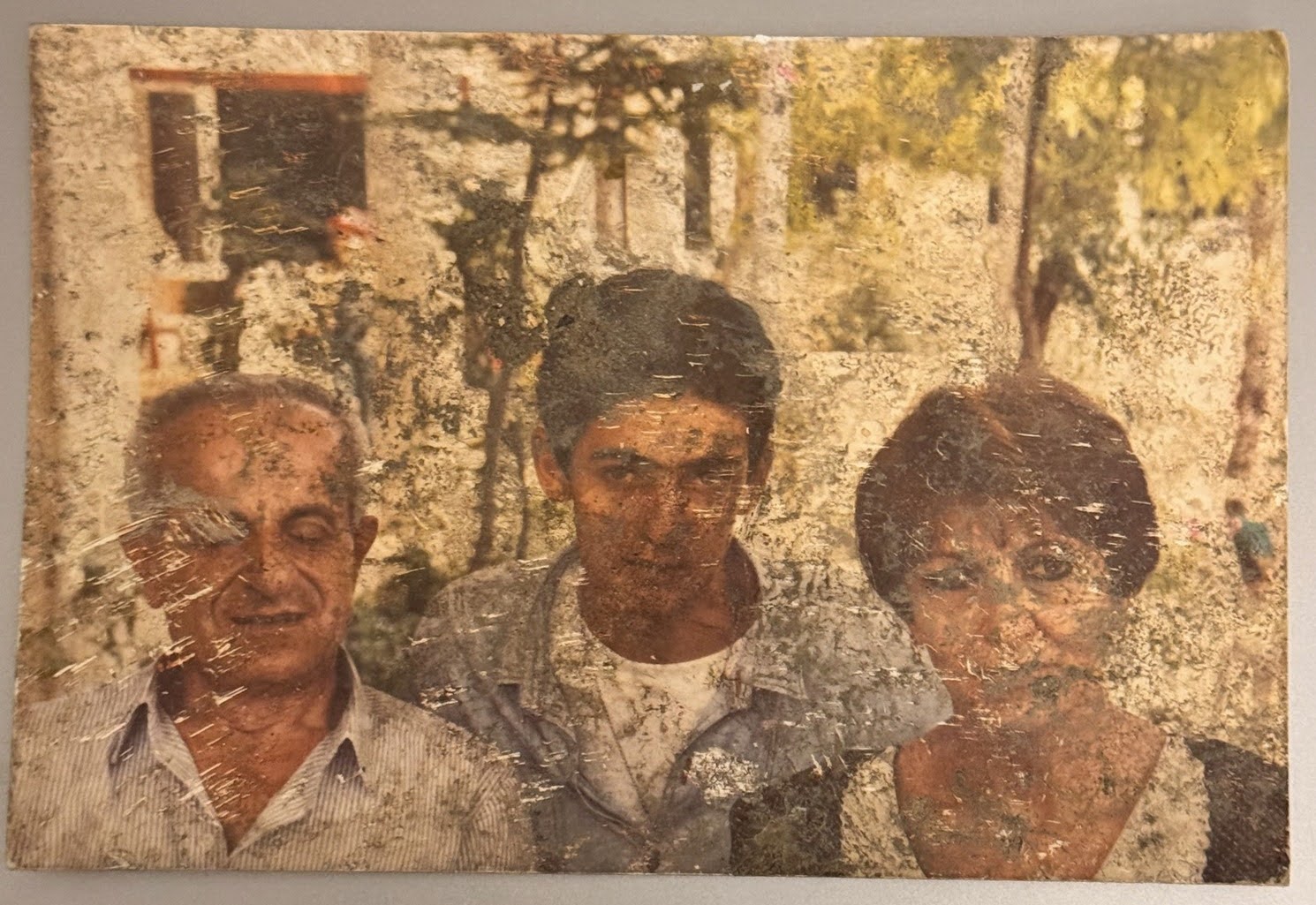
After the catastrophe: Ali Cherri takes Israel to court following the killing of his parents
On November 26, 2024, Paris-based artist Ali Cherri spoke to his mother Nadira Hayek living in Beirut on the phone right before boarding a plane to Vienna where he was…
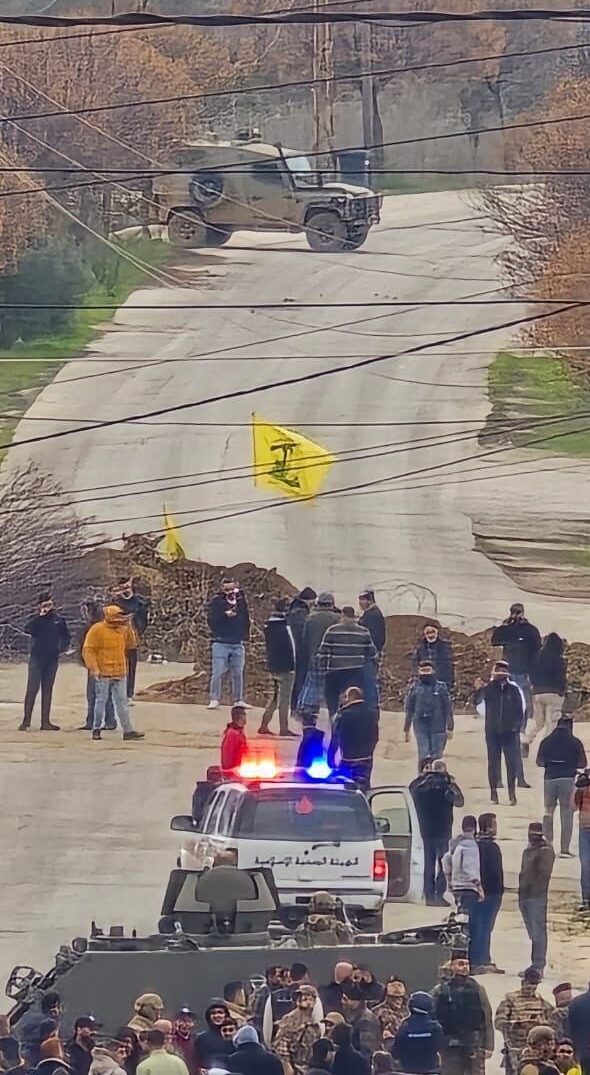
Israeli forces occupying south Lebanon kill 15 as tens of thousands return to claim their land
Israeli soldiers opened fire on crowds of displaced Lebanese on Sunday, as residents began to return to their towns and villages in…
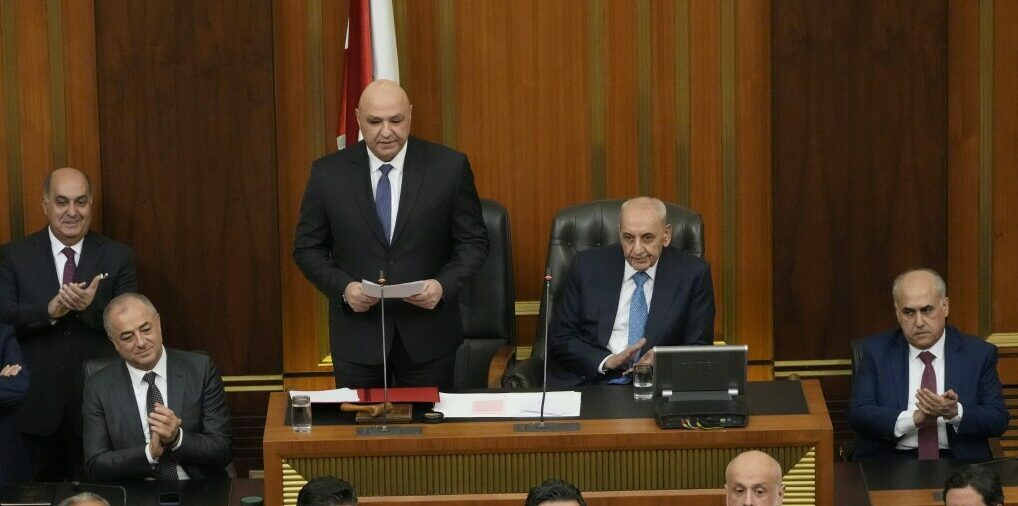
Hezbollah vote secures General Joseph Aoun’s election as new Lebanese president, underscoring party’s concessions to new regional reality
When the Lebanese military began to send the first of its soldiers to the south of the country on November 28, hours after a ceasefire was suddenly announced, it marked…
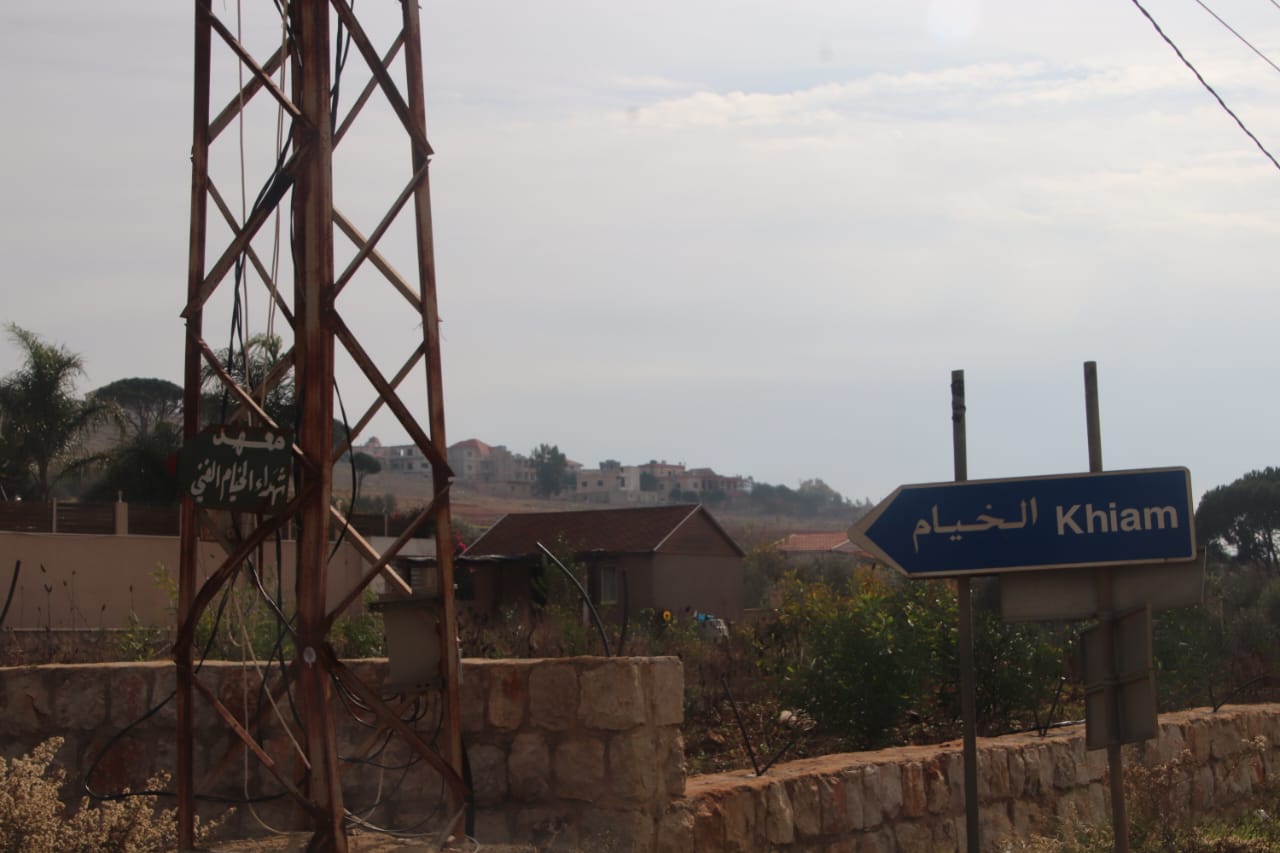
Uncertainty, danger linger in Khiam after Lebanon’s ceasefire
Mohammad Mohammad Abdullah left his hometown of Khiam in southern Lebanon at the end of 2023, when Israeli airstrikes on Lebanon became…
Your support is the only way to ensure independent, progressive journalism survives.
You have a right to access accurate information, be stimulated by innovative and nuanced reporting, and be moved by compelling storytelling. Subscribe now to become part of the growing community of members who help us maintain our editorial independence.
Join us