
Intense Israeli airstrikes on southern Lebanon, Dahiyeh | Reuters: US asks Lebanon to declare unilateral ceasefire

Israel launched heavy airstrikes on areas in southern Lebanon and Beirut’s Dahiyeh from Thursday evening until the early hours of Friday, issuing evacuation orders for residents in both regions as the Israeli onslaught on Lebanon enters its second month.
According to Lebanon's National News Agency (NNA), Israel launched massive air attacks in the early hours of Friday that targeted the towns of Kounine, Aynata, Jmaijmeh, Baraachit, Hanine, Majdal Selm, Bint Jbeil and Tairi.
Throughout Thursday night, heavy overflights of Israeli drones were witnessed at low altitude in the airspace of Beirut’s southern suburb, according to NNA.
The drone monitoring of Beirut’s southern suburb was accompanied by intense airstrikes on the following areas: Ghobeiry, Kafaat, the Sayed Hadi road, the vicinity of the Mujtaba complex, the old airport road, Tahouitet al-Ghadir, Rweiss, Haret Hreik and Mrayjeh.
The Israeli attacks on Dahiyeh left massive destruction in the targeted areas, with dozens of buildings flattened and fires breaking out.
Israeli military spokesperson Avichay Ardaee issued evacuation orders for all residents of Beirut’s Dahiyeh in the late hours of Thursday, namely for the areas of Haret Hreik, Tahouitet al-Ghadir, Borj al-Barajneh and Ghobeiry.
Israeli forces continued their attacks on the Rashidieh refugee camp in Sur even after the unexpected evacuation orders were issued in the early hours of Thursday, which led to random displacement amid widespread confusion among residents.
One of the largest Palestinian refugee camps in southern Lebanon, Rashidieh received hundreds of displaced Lebanese families from various areas in the south since the beginning of the Israeli onslaught on Lebanon.
Many displaced families seeking refuge in the camp refused to move toward Beirut or other northern cities due to the lack of lodgings there amid overcrowding in shelter centers.
In the Qmatiyeh village, located in the Aley district of Mount Lebanon, Israeli airstrikes killed three people and injured five on Thursday night, according to a statement by the Lebanese Health Ministry.
Meanwhile, the Israeli military continued to target civil defense and ambulance teams operating in Lebanon. Footage published by Al Jazeera on Friday morning showed the direct targeting of their vehicles by Israeli airstrikes as they were stationed near the coast of the southern city of Sur.
In the footage, civil defense and ambulance workers, who were near the vehicles, were seen fighting for their lives.
Amid the intensified Israeli hostilities on areas across Lebanon, US special envoy Amos Hochstein delivered a request to Lebanese Prime Minister Najib Mikati to declare a unilateral ceasefire with Israel, two sources told Reuters.
While Lebanon has reportedly denied receiving the message, the request came after Hochstein landed in Tel Aviv on Thursday, along with White House Middle East coordinator Brett McGurk, to discuss a proposal for a ceasefire in Lebanon.
The proposal, prepared by US mediators, would halt hostilities for an initial 60-day period in order to allow for the implementation of the United Nations Security Council resolution 1701.
Mikati also stressed, during an interview with Lebanese TV channel Al-Jadeed on Wednesday, the need to strengthen the Lebanese military’s presence south of the Litani River as a main priority for Lebanon. According to the interview, the Lebanese prime minister met with the commander of the UN Interim Force in Lebanon (UNIFEL) and condemned the Israeli targeting of their troops.
However, hopes of reaching a ceasefire in Lebanon before the November 5 presidential election in the US are fading, with Mikati accusing Israel of refusing all diplomatic efforts following the expansion of its hostilities in Beirut’s Dahiyeh once again.
According to reports that circulated on Friday morning, the US envoys did not head to Lebanon after their Tel Aviv visit, despite indications from Mikati during his Wednesday interview of a possible meeting in Lebanon.
For his part, US Secretary of State Antony Blinken said that Israel and Lebanon are moving toward “understandings” regarding requirements for the implementation of the long-violated UNSCR 1701, which he considered the basis for ending the current conflict.
UNSCR 1701 was adopted in 2006 with the aim of keeping the peace on the border between Lebanon and Israel.

أخبار ذات صلة
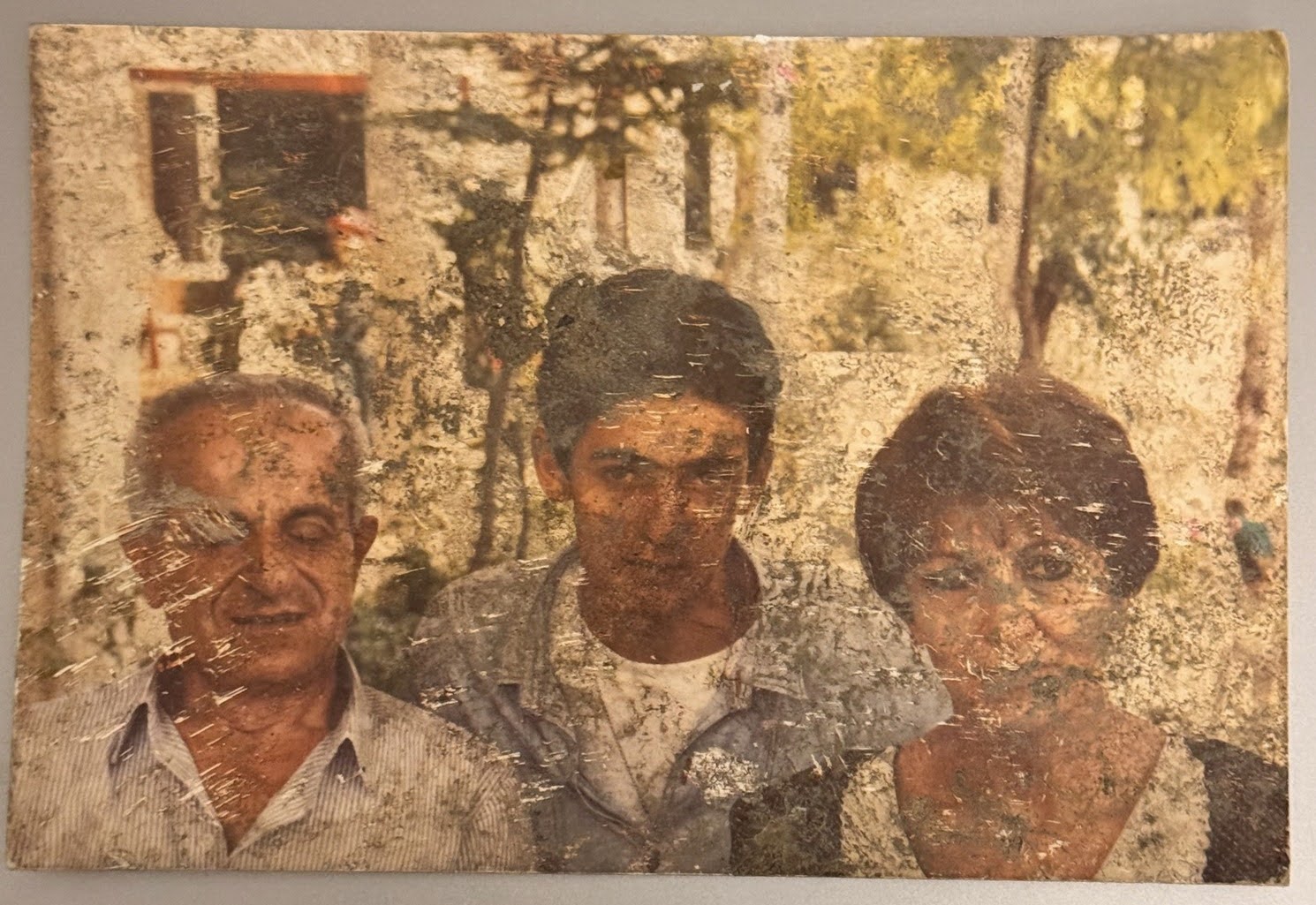
After the catastrophe: Ali Cherri takes Israel to court following the killing of his parents
On November 26, 2024, Paris-based artist Ali Cherri spoke to his mother Nadira Hayek living in Beirut on the phone right before boarding a plane to Vienna where he was…
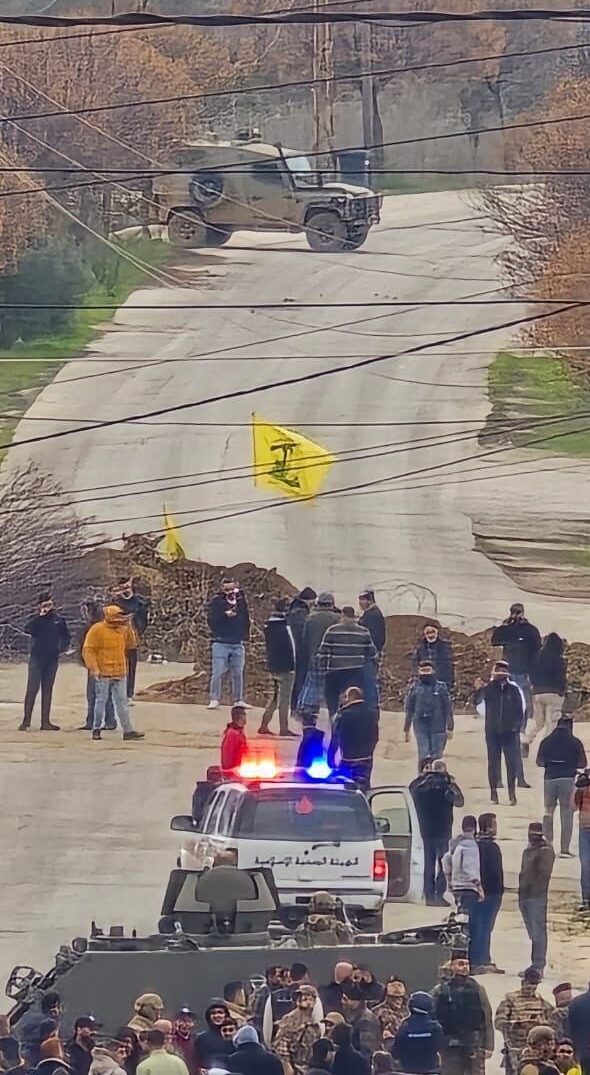
Israeli forces occupying south Lebanon kill 15 as tens of thousands return to claim their land
Israeli soldiers opened fire on crowds of displaced Lebanese on Sunday, as residents began to return to their towns and villages in…
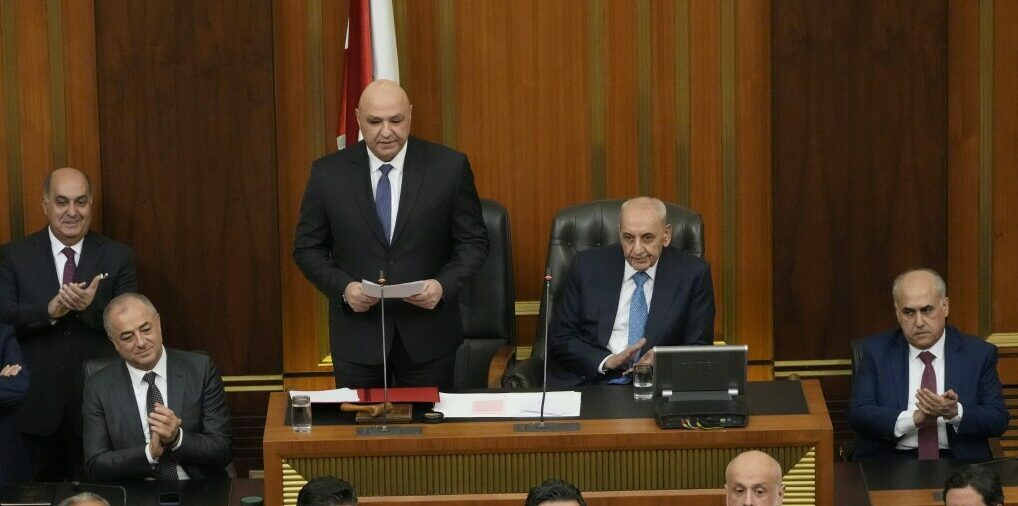
Hezbollah vote secures General Joseph Aoun’s election as new Lebanese president, underscoring party’s concessions to new regional reality
When the Lebanese military began to send the first of its soldiers to the south of the country on November 28, hours after a ceasefire was suddenly announced, it marked…
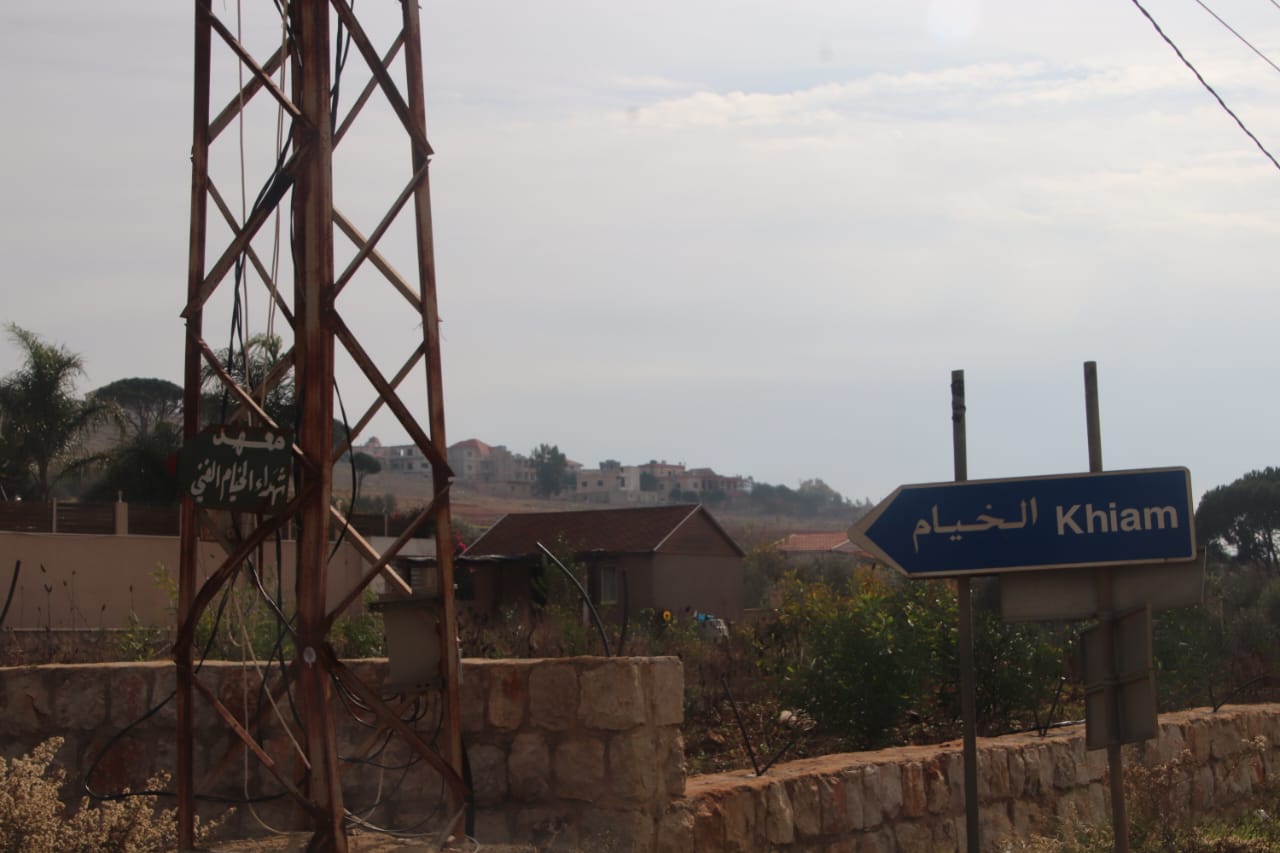
Uncertainty, danger linger in Khiam after Lebanon’s ceasefire
Mohammad Mohammad Abdullah left his hometown of Khiam in southern Lebanon at the end of 2023, when Israeli airstrikes on Lebanon became…
Your support is the only way to ensure independent, progressive journalism survives.
You have a right to access accurate information, be stimulated by innovative and nuanced reporting, and be moved by compelling storytelling. Subscribe now to become part of the growing community of members who help us maintain our editorial independence.
Join us