
Inflation rises to two-year high

The consumer price index of June 2013 has been released by Central Agency for Public Mobilization and Statistics (CAPMAS).
The general price index gathering the major consumption items reached 134.8 points at the end of June 2013. It represents a 9.8 point increase since June of last year and an 8.9% average growth rate since January 2010.
However, the last six months have witnessed a major inflation peak in the wake of the drop of the value of the Egyptian pound, leading to increased hardship for the population. What are commonly perceived as excessive price rises have been one of the major sources of discontent these past few months.
At first glance, official figures do not reflect this. Inflation has been decreasing on a yearly basis since 2008, passing from a looming 18.3 percent to 7.1 percent in 2012, the lowest since 2005. The average inflation rate since 2010 amounts to 8.9 percent.
However, a lower inflation rate is felt more strongly in the midst of a major economic crisis. The official unemployment rate rose by 41% between 2010 and 2012, from 9 percent to 12.4 percent. While little official data is available on salary levels, reports indicate that many workers have had to accept salary cuts to retain their jobs, especially in the informal sector. People working on a day to day basis face increased difficulties in securing work.
Then, a closer look at the data tells a slightly different story. While inflation has been regularly decreasing since the outbreak of the 2011 revolution, the last six months have seen a restart, possibly fueling widespread discontent in the population.
If the inflation rate of the last six months continued for the year, this would mean inflation of 11.1 percent.
Most importantly, major basic commodities prices have seen even more significant rises. If food and beverage price increases continue for the year, this would mean price rises of 18.1 percent, while housing, water, gas, electricity and fuel price it would increase by 7.7 percent.
Such rates of price increases have been unseen since the outbreak of the 2011 revolution. It can mainly be attributed to the major drop of the Egyptian pound in the first months of 2013, in the wake of the decision of former President Mohamed Morsi to withdraw its tax rise plan and postpone the IMF loan.
The Egyptian pound has lost around 16 percent of its value against the dollar between the end of 2012 and today. The prices of imported products have have therefore increased by the same rate.

أخبار ذات صلة
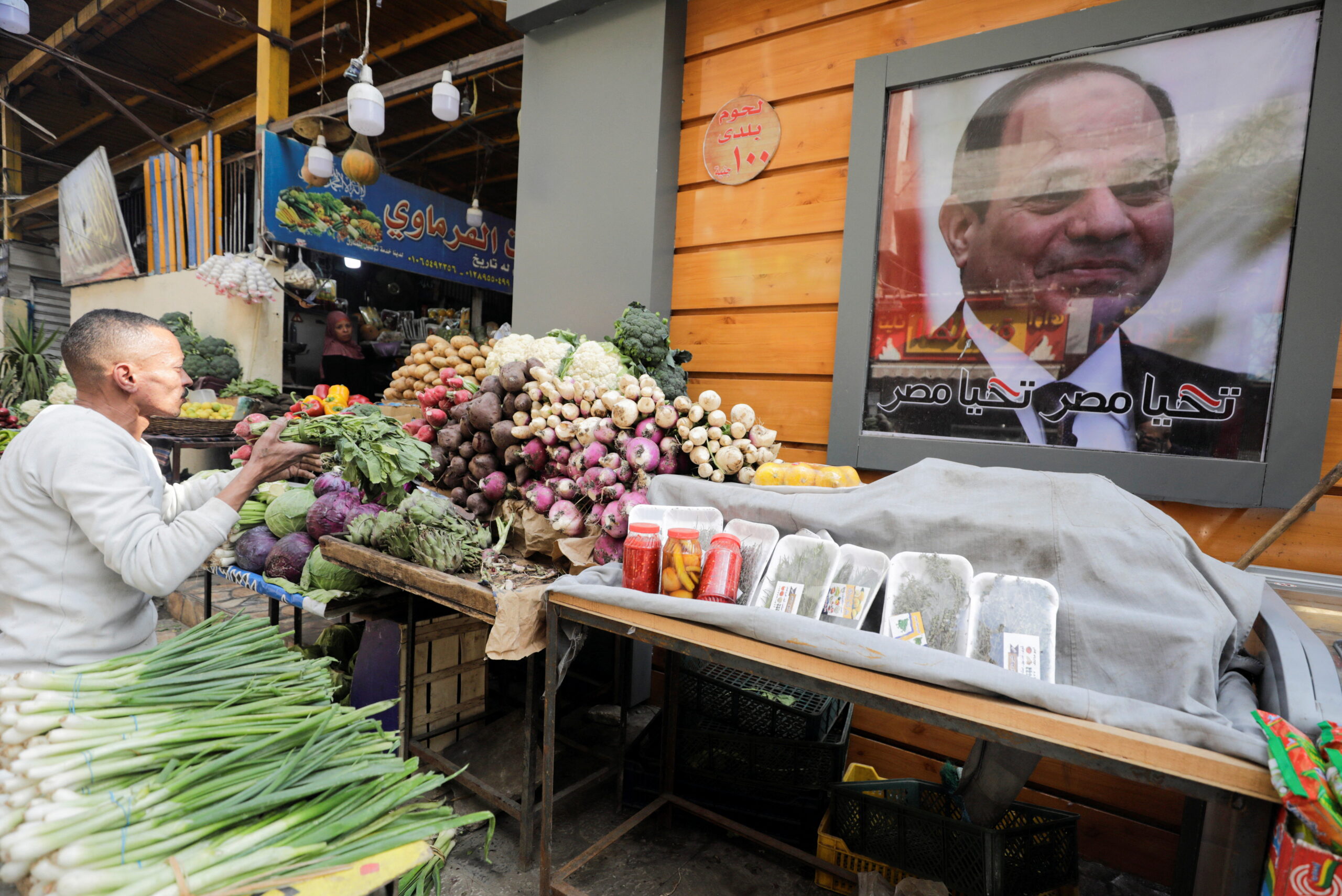
Vegetables, transportation push inflation back up after energy price hikes
The new data represents the first acceleration after inflation trended downward for five months.

With no new hires, teacher shortfall widens in government schools
A government freeze on new permanent contracts for public school teachers is in its seventeenth year
Infographic: Egypt’s labor market dominated by ‘severe disparities,’ CAPMAS study says
The report highlights disparities in gender participation and legal protections for workers
Do not rest assured: People in need are still not getting their food subsidies
The announcement came two days after Sisi wrote on his Facebook page about the food program cuts
Your support is the only way to ensure independent, progressive journalism survives.
You have a right to access accurate information, be stimulated by innovative and nuanced reporting, and be moved by compelling storytelling. Subscribe now to become part of the growing community of members who help us maintain our editorial independence.
Join us