
Importers: Operations still hampered by foreign currency scarcity, despite government action to get goods through ports
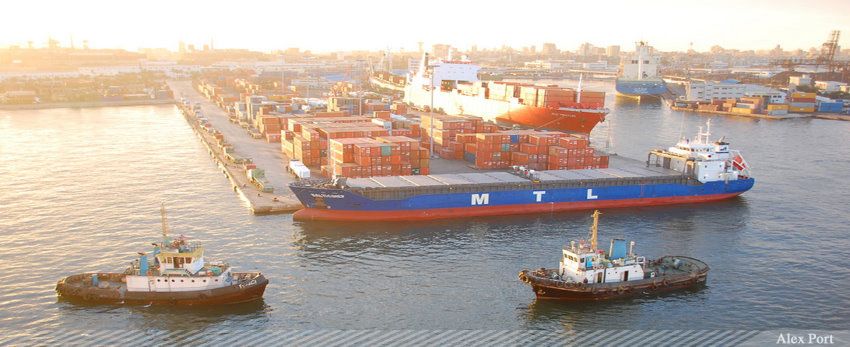
The Finance Ministry adopted on Tuesday a package of exceptional measures to facilitate the release of goods held up in ports across Egypt, from tea and coffee to leather and raw materials for industrial production.
Importers told Mada Masr that the measures would provide some financial relief since they have to pay fees in foreign currency for each day that their shipments sit pending paperwork in customs warehouses. Yet, they also anticipated that industries nationwide would continue to struggle regardless, with financing and production in the wake of a shift in the import regulatory environment, making it harder and harder to secure crucial goods in the prevailing economic climate.
Import regulations introduced over the past year have hindered the passage of goods into Egypt, causing households, retailers and industries to suffer as importers and banks grapple with the impact of dollar scarcity, while the domestic economy battles high global inflation and foreign investor flight from its sovereign debt market.
The waiver introduced this week to one of the new regulations will see the government intervene to release some of the shipments piling up at the docks, for which the majority of customs procedures are complete and which are only awaiting sign off from the banks.
Daily fines payable in foreign currency, levied for each day goods remain waiting in ports, will also be waived, and shipping agencies will be allowed to transfer imported goods to warehouses other than the Customs Authority’s on condition that they are not released to the next stage of the supply chain without permission, the Finance Ministry said.
However, import operations are still facing major hurdles, said importers and manufacturers who spoke to Mada Masr, explaining that the recently adopted measures would do little to help national industries struggling to source production materials due to the scarcity of dollar resources at the banks, which are required to guarantee all import deals up front under the documentary credit system introduced earlier this year.
Some production inputs have been stuck at ports for over three months, said Mohamed Rostom, secretary general of the General Division of Importers at the Federation of Egyptian Chambers of Commerce, while imports of finished products have halted completely in March, after the introduction of the documentary credit system. While Tuesday’s measures are intended to hurry through any shipments lying idle in warehouses, Rostom said they did not include a conclusive solution nor a long-term plan to ease import restrictions.
The import restrictions date back to February, when the central bank issued a decision to stop the old ‘payment upon arrival’ system for imports, and to approve only import operations via the documentary credit system, which is used worldwide, and which requires importers to open a credit line at a bank to guarantee the operation up front. Documentary credits oblige importers to pay the entire value of the shipment upon contracting, as opposed to paying only a part in advance and then completing the payment after selling the goods, as they have been used to.
The new restrictions saw strong opposition and complaints from importers and manufacturers in Egypt, until President Abdel Fattah al-Sisi decided in May to exclude production requirements and raw materials from them. However, with the Trade and Industry Ministry still discussing which imports to exclude with the Federation of Egyptian Industries as of last week, Sisi’s decision is yet to be fully realized, and industrial sectors continue to complain.
Writing by Ahmed Bakr
أخبار ذات صلة

Priced out of protein
How the economic crisis has taken protein out of the mouths of Egyptians.
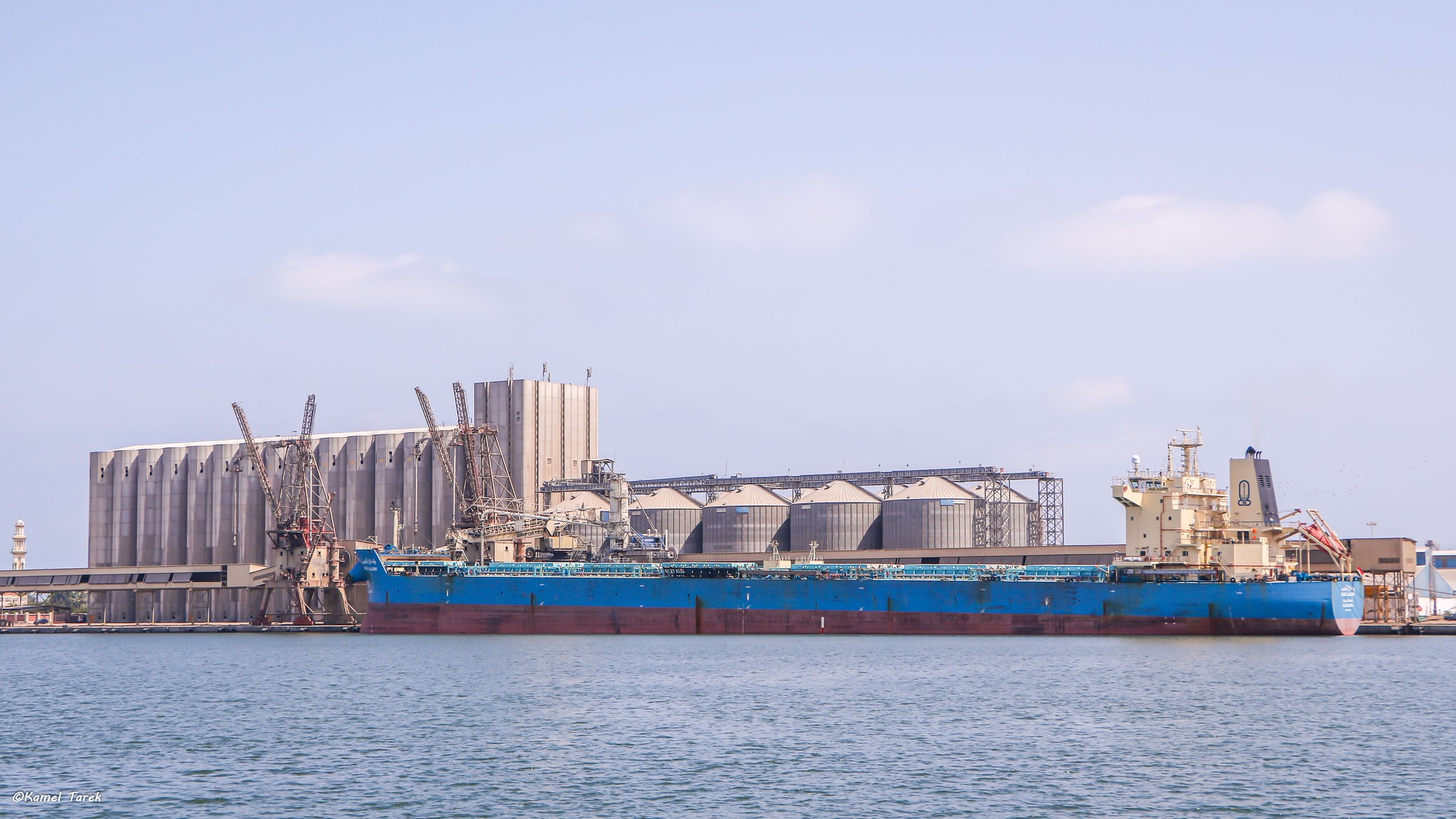
Inflation persists as dollar scarcity holds up import shipments
Import shipments that are not deemed strategically necessary continue to pile up

What is behind the wave of strikes and factory closures?
The recent strikes are happening as the government scrambles to revitalize support for industry

Devaluation drama and hot money’s return: What happened with the pound’s historic plummet?
'As long as there is more demand than supply, the price of the pound will continue to decrease.'
Your support is the only way to ensure independent, progressive journalism survives.
You have a right to access accurate information, be stimulated by innovative and nuanced reporting, and be moved by compelling storytelling. Subscribe now to become part of the growing community of members who help us maintain our editorial independence.
Join us