
Imported consumer goods are about to get more expensive
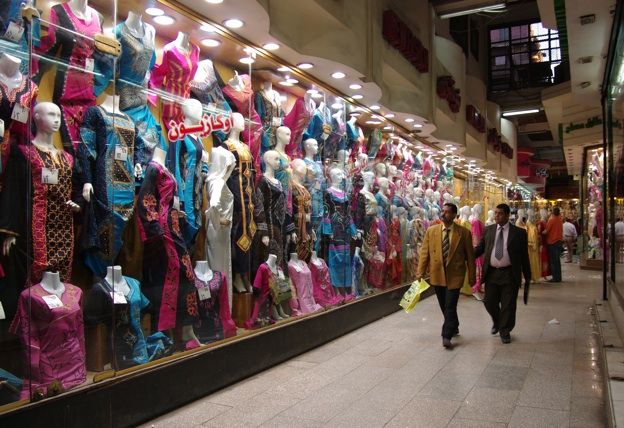
Beginning Monday, customs duties on hundreds of consumer goods will increase by 5 to 10 percentage points, making total import taxes as high as 40 percent.
The changes — laid out in a presidential decree dated January 26 — primarily affect imported fruit, personal care items, clothing and household appliances and fixtures.
The law follows other efforts by the Egyptian government to reduce imports of non-essential items and tighten customs controls. In December, the Central Bank introduced a series of new regulations that make it more difficult for importers to obtain letters of credit and require foreign manufacturers of non-essential items to register in person with Egyptian authorities if they wish to ship their goods to Egypt.
Central Bank Governor Tarek Amer said the new regulations would help protect Egypt’s foreign reserves and boost local industry, echoing an earlier statement from the office of President Abdel-Fatah al Sisi, who criticized the import of “non-essential products that have local alternatives that offer higher quality and competitive prices.”
Deputy CBE Governor Gamal Negm recently described Egypt’s imports as a “tragedy,” in particular the ready-made garment sector, which imported around US$900 million in goods in 2015 — among them, some $200 million in women’s nightclothes and pyjamas.
What is affected?
For the most part, the increases are on items already considered luxuries and taxed at high rates. In most cases, import duties on these items will increase by 10 percent. Consumers are also charged sales tax on top of that, which varies according to the item.
Unsurprisingly, women’s nightclothes are among the hundreds of items for which customs duties will rise. According to a World Trade Organization Database, as of 2015 Egypt imposed a 30 percent duty on women’s nightgowns and pajamas. Under the new regulations, the duty will increase to 40 percent. The same goes for dozens of other types of clothing, including outerwear and underwear for men and women, as well as baby clothes. The changes apply to clothing made from natural fibers as well as synthetic fabrics. Many leather goods, including handbags and luggage will also now be taxed at 40 percent, as will footwear, hats, and even wigs.
Import tariffs for cosmetics and toiletries will also increase from 30 percent to 40 percent. Those items include perfume, makeup, deodorant, soap, shampoo, shaving cream, dental floss and toothbrushes. Toilet paper is also on the list, as are other paper goods like tissues and notebooks.
A wide variety of household appliances will also see customs duties increase from 30 percent to 40 percent. This includes refrigerators, air conditioners, gas and electric water heaters, space heaters, washing machines, vacuum cleaners and dishwashers.
Many categories of home and office furniture will see the same increase in duties, along with glassware, decorative statuettes, bathroom fixtures and imported building fittings such as doors and windows.
Slightly smaller increases will be imposed for blankets, bed linen and other household textiles, for which duties will rise by 5 percentage points to reach 35 percent.
The largest jump in import duties is on luxury watches made out of precious metals, which were previously taxed at 10 percent according to WTO data. They will now be taxed at 30 percent. Other types of watches and clocks, previously at 20 percent, will also now have 30 percent duties levied on them.
The new regulations also call for increases in taxes on imported fruit and nuts. Dried nuts, including cashews, almonds and hazelnuts will be taxed at 20 percent, instead of 10 percent. Frozen fruit will go up by the same amount.
Grapes, apples, pears, plantains and bananas will be taxed at 40 percent, up from 30 percent, while taxes on pineapples and avocados will go from 20 percent to 30 percent. Dog and cat food will also face customs duties of 40 percent, up from 30 percent.

أخبار ذات صلة

Priced out of protein
How the economic crisis has taken protein out of the mouths of Egyptians.
Understanding the implications of devaluation
Mada Masr explores the impacts of the anticipated devaluation on market prices and external debt.
Butchers begin closing shop as consumers balk at soaring meat prices
Red meat looks to become increasingly out of reach for many Egyptians
Culling chicks barely hatched, poultry producers say industry embattled by dollar shortage, foreign imports
Hundreds of thousands of chicks, purchased to rear poultry, are being swept up into trash bags each day for early slaughter, industry…
Your support is the only way to ensure independent, progressive journalism survives.
You have a right to access accurate information, be stimulated by innovative and nuanced reporting, and be moved by compelling storytelling. Subscribe now to become part of the growing community of members who help us maintain our editorial independence.
Join us