
House passes law empowering military courts to prosecute market manipulation

The military judiciary is to be empowered to address crimes deemed to harm public food security with the authority to prosecute a range of market manipulation activities under new legislation passed by the House of Representatives this week.
Unlike in most military trials, however, those handed felony sentences on charges of “harm to vital facilities” will be able to appeal the decision.
The law also upholds the military's law enforcement powers over any facility or utility defined as a public good.
The decision comes amid a prolonged period of record high inflation during which food prices have rocketed upward.
In recent months, Cabinet ministers have come under fire for failing to supply basic food goods at stable prices, with household staples such as rice, sugar and oil absent from shelves at government-run stores across the country.
Now, the new changes seek to “regulate the market,” according to news reports, and are part of a draft law prepared and presented to Parliament by the Cabinet granting the military law enforcement powers over the “basic supply goods and products” procured by the government.
The law empowers the military to work with the police to address the market manipulation of strategic commodities, such as stockpiling goods and price gouging, said MP Yahya al-Kedwani, head of the National Defense and Security Committee in the House of Representatives, in an interview televized this week.
The law also renews the military’s jurisdiction over any crimes judged to impinge upon public and vital facilities and utilities.
These include power stations, electricity towers and networks, gas pipelines, petroleum fields, road networks, bridges, other vital facilities, and anything related to them.
The scope of what the law entails could also be widened, since it makes provision for the president, or anyone delegated by the president, to identify actions that may pose a threat to "the essential resources of the state and national security" in consultation with the National Defense Council.
Members of the armed forces can be selected and delegated particular law enforcement duties by the defense minister under the law's provisions.

أخبار ذات صلة

St. Catherine: Monks in the face of the state
In late May, the Ismailia Appeals Court ruled to evict the archbishop of Saint Catherine's Monastery from 14 land plots in South Sinai, part of a larger dispute with the…
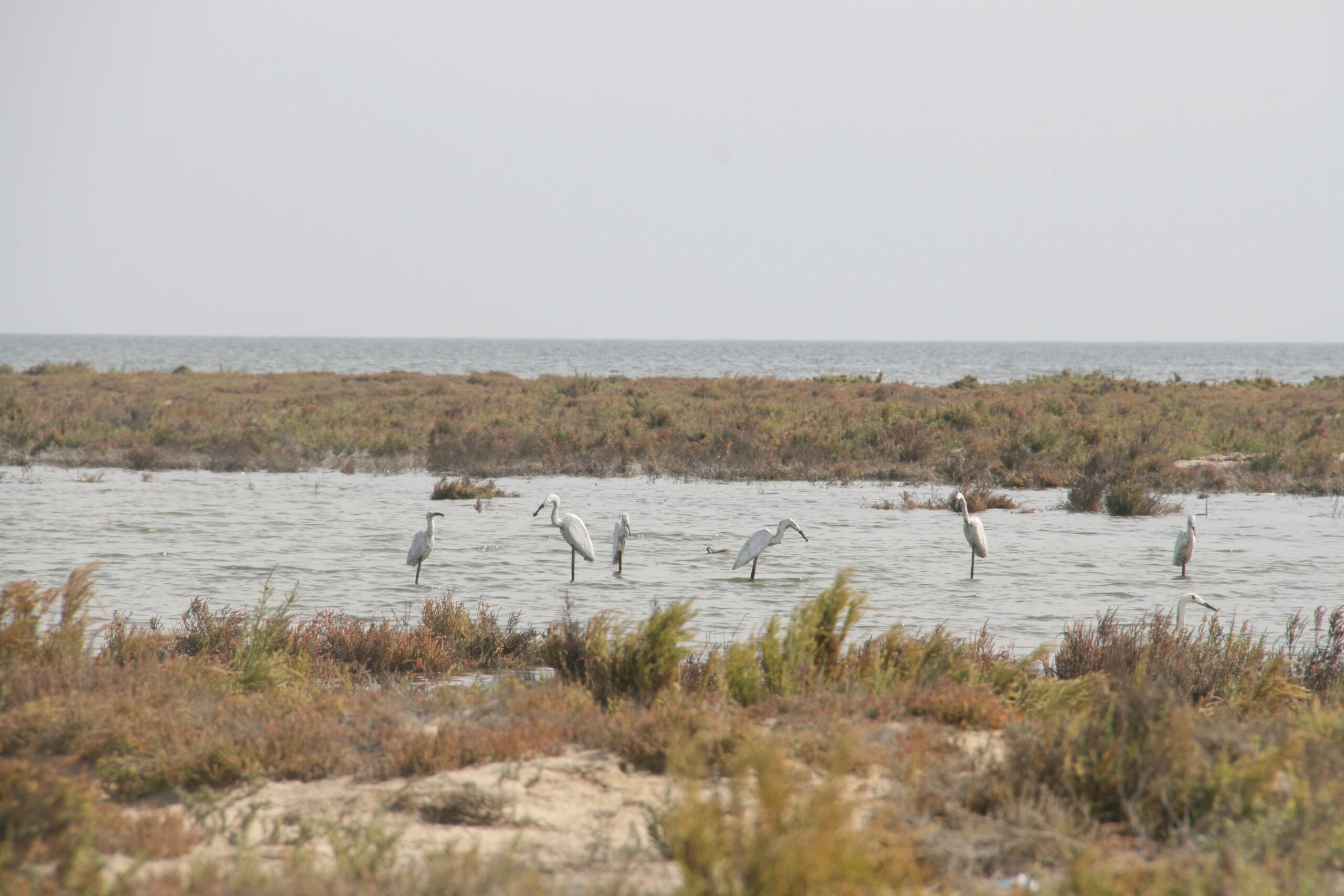
Authorities reopen Lake Bardawil after negotiations to end fishers’ strike, key restrictions still in effect
Fishers at Lake Bardawil were allowed to resume work on Friday, a week after the lake’s administration — under the military-run Egypt’s…

Govt suspends activity in Lake Bardawil in response to trade demands, thousands unable to work
Prior to the lake’s closure, fishers had taken action to protest new regulations which are limiting

Milking Juhayna for all it’s worth
Thabet may have been approached with a proposal to merge his factories with a state-led initiative.
Your support is the only way to ensure independent, progressive journalism survives.
You have a right to access accurate information, be stimulated by innovative and nuanced reporting, and be moved by compelling storytelling. Subscribe now to become part of the growing community of members who help us maintain our editorial independence.
Join us