
Govt increases fuel prices ahead of IMF review
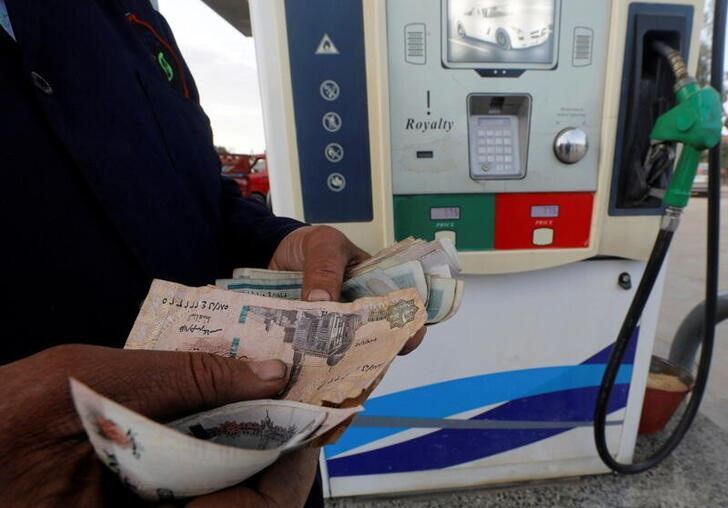
The government increased fuel prices on Thursday morning, raising the price per liter of gasoline, diesel, kerosene and other petroleum fuels by at least 10 percent.
The decision is in line with recommendations from the International Monetary Fund that Egypt cut its spending on fuel subsidies and comes just four days before the government is due to sit down with the international lender for a review of progress in its ongoing loan program.
Gasoline prices were increased by up to 15 percent per liter, with 80-octane gasoline increasing to LE12.25 per liter (US$0.25), 92-octane gasoline increasing to LE13.75 per liter ($0.28) and 95-octane gasoline increasing to LE15 per liter ($0.31).
The decision was taken by the Petroleum Ministry’s fuel pricing committee and published in the state’s Official Gazette.
Diesel, one of the most widely used fuels, saw an even larger increase, as it was hiked 15 percent per liter, from LE10 to LE11.50 ($0.24).
Kerosene, used as a household fuel, was hiked by 15 percent to LE11.50 per liter.
The price of diesel supplied to industries producing food and electricity was held steady at LE7,500 per ton but was hiked to LE8,500 for other sectors.
This is the second time the government has hiked energy prices in 2024. The prime minister stated on Wednesday evening that prices are to continue increasing gradually until the end of 2025.
Fuel prices for household and industrial consumers in Egypt, which is a net importer of refined oil products, are fixed by the Petroleum Ministry. The ministry reviews prices once every four months, taking domestic and global inflation into account to adjust rates.
With domestic inflation spiraling over recent years amid an entrenched crisis in domestic revenues, the government has paid billions of Egyptian pounds in fuel subsidies, despite committing in 2016 to cut back on subsidies in line with IMF recommendations.
Three sources — a government official in the petroleum sector, a parliamentarian and a source from the financial sector — told Mada Masr on condition of anonymity in July that a meeting between Egypt’s government and the IMF was rescheduled due to the government postponing increases to fuel prices and electricity tariffs.
The sources said that the review was rescheduled to provide a grace period for the government to approve the price hikes.
During the last week of June, several sources told Mada Masr that the Fuel Automatic Pricing Committee had already convened and decided on a 10 percent increase in gasoline and diesel prices. However, the sources noted that the government opted to delay implementing the committee’s decision due to public outrage over worsening electricity outages, which one source described as “worse than ever before.”
To ration fuel as domestic production plummets, the government implemented a program of power outages taking place daily across the country, sometimes for hours at a time.
Last week, the government announced that the power cuts will be suspended until mid-September after it imported over 20 shipments of natural gas to boost supply for electricity generation. The prime minister said the crisis would be completely resolved by the end of the year.
Egypt’s meeting with the IMF was rescheduled for July 29. Approval of this review will allow Egypt to receive a new installment of its loan and apply for an additional $1.2 billion from the IMF’s Resilience and Sustainability Trust.
Egypt’s ongoing Extended Fund Facility program with the IMF began in 2022. It was augmented by an additional $5 billion earlier this year, bringing the total borrowing to $8 billion.

أخبار ذات صلة

Energy subsidies down, export subsidies up in new budget draft
The government will be implementing sweeping cuts to spending on petroleum subsidies and prioritizing export spending in the upcoming fiscal year's budget,…
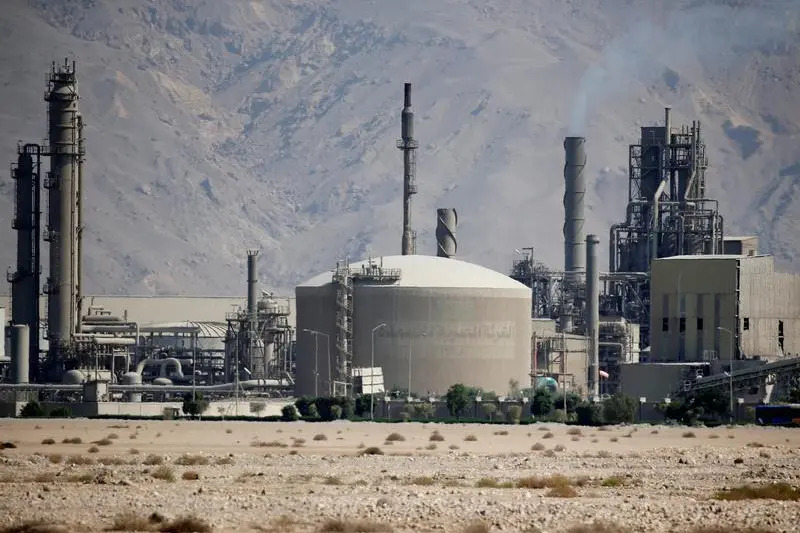
Govt weighs higher fertilizer export quota to offset rising fuel costs amid Iran war
The government is holding consultations to increase the price of gas it supplies to fertilizer manufacturers — the single largest energy-consuming industry in…
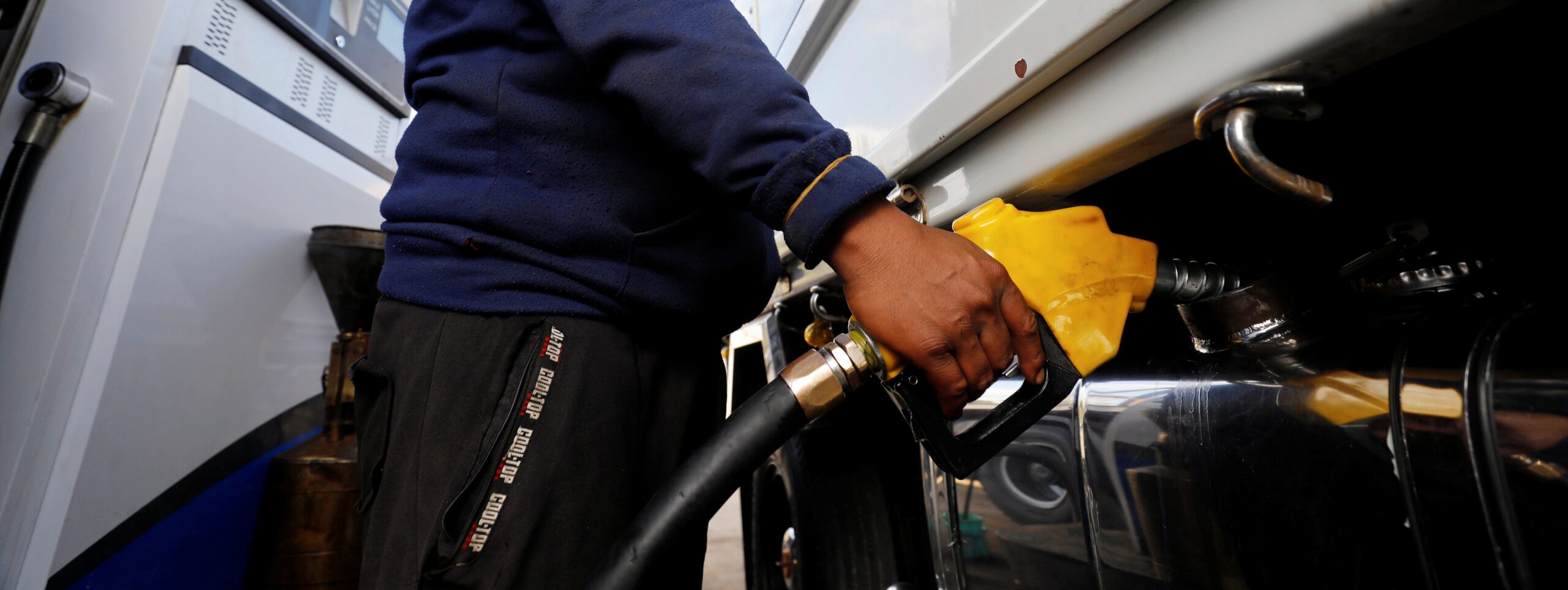
Govt raises fuel prices by LE2, natural gas for vehicles up 43%
The government raised fuel prices on Friday, increasing the cost of gasoline and diesel by LE2 per liter and natural gas for…
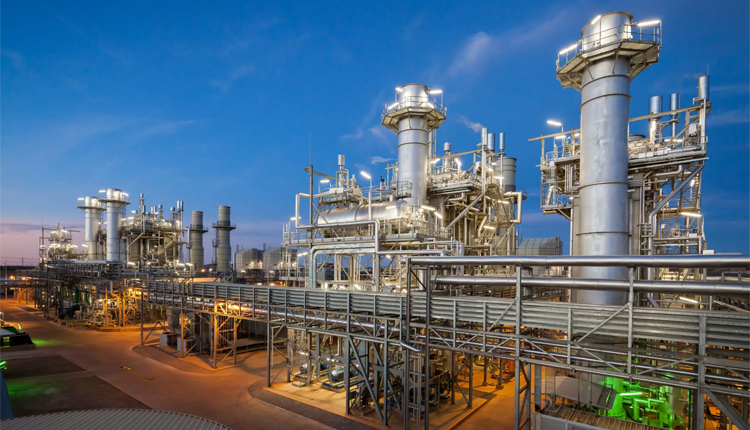
Egypt to boost fertilizer exports to offset planned slash to industrial energy subsidies
The government will raise natural gas prices for industrial use in Egypt in the coming weeks by around US$1-2 per million British…
Your support is the only way to ensure independent, progressive journalism survives.
You have a right to access accurate information, be stimulated by innovative and nuanced reporting, and be moved by compelling storytelling. Subscribe now to become part of the growing community of members who help us maintain our editorial independence.
Join us