
Government hikes cost of butane gas cylinders for household cooking by over 7%
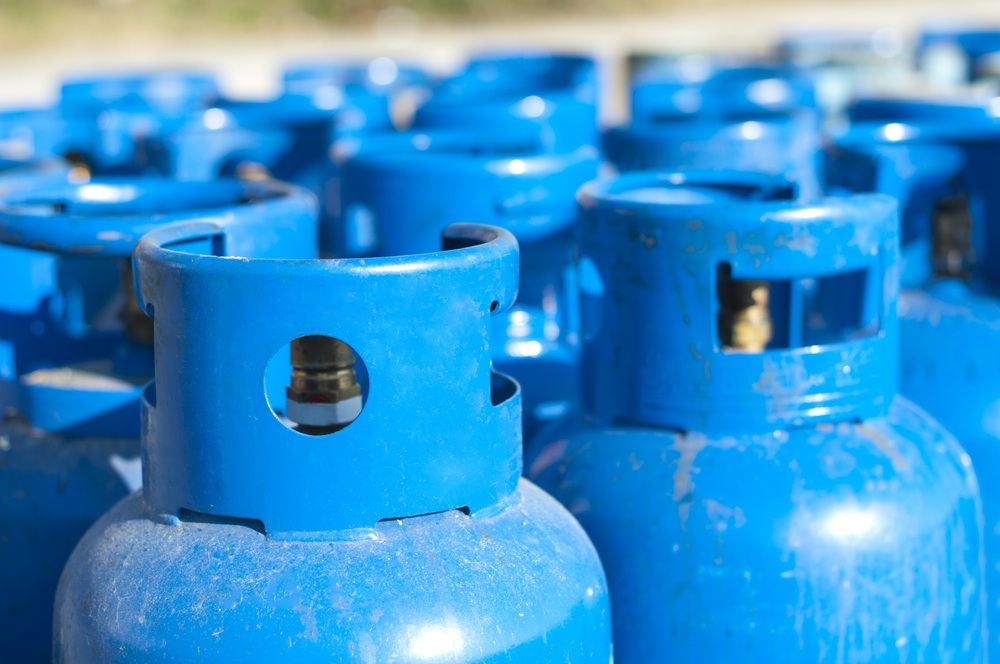
The government raised the prices of butane gas cylinders on Saturday by LE5 for homes and by LE10 for the commercial-use cylinders, pushing official prices per cylinder up to LE70 and LE140, respectively.
With Saturday’s price hike of over 7.6 percent, gas cylinders used for cooking are now over seven times more costly for households than they were in 2014.
Egypt’s poorest households that have no option but to use gas cylinders for cooking will be hardest hit by the rise in butane gas prices, said Dina Armanios, a professor of statistics at Cairo University. “Increases to other types of petroleum products, such as 92 and 95 octane gasoline, are related more to the consumption of private car owners in particular,” Armanios told Mada Masr.
This is the sixth increase in butane gas prices over the past seven years, with brief respite during 2020 due to the economic fallout of the coronavirus pandemic.

Since 2014, the government’s financial readjustment program has gradually withdrawn subsidies on petroleum products. The establishment of an automatic pricing mechanism and follow-up committee to set prices in 2019 means that prices are now almost completely liberalized.
The subsidy bill for petroleum products declined from about LE126 billion in 2013-2014 to about LE18 billion in the current fiscal year's budget.
In 2016, the government announced a project to supply natural gas to homes as an alternative to butane gas cylinders, but connected households today are in more affluent areas, said Armanios, while butane cylinders still prevail in most of the country.
According to a Petroleum Ministry statement last month, 12.6 million housing units have been linked to the natural gas supply system since 1980, 50 percent of which were connected during the last seven years.
The head of the petroleum materials committee of the Federation of Egyptian Industries, Mohamed Saad Eddin, told Mada Masr that the price increase this year is closely linked to the rise in global oil prices, which affects how costly it is for the government to subsidize petroleum products through its hedging system.
The government estimated the cost of a barrel of oil at US$60 in the budget for fiscal year 2021/22, which began in early July. However, the actual price quickly exceeded this figure, with the Europe Brent Spot Price peaking at over US$80 per barrel in October, and only dropping to just over US$71 at the beginning of this month.
While the Petroleum Ministry has pledged that Egypt will be able to produce sufficient diesel and gasoline to meet its own domestic demand by 2023, self-sufficiency remains a difficult goal with regard to butane, said Saad Eddin, since these rely on liquefied petroleum gas.
This petroleum derivative is only available in small proportions from the crude oil used in refining, meaning that “providing Egypt’s demand for liquefied petroleum gas would require very large quantities of crude oil,” said Saad Eddin.
It’s likely that low income households, where the majority of spending is on food, will be pushed to reduce their consumption of more expensive food commodities like meat and poultry, said Armanios, suggesting that families might also spend less on other goods and services, including health and education.
As for raising the prices of cylinders for commercial use, Armanios said it will lead to a rise in the prices of food commodities in restaurants, which will have a clearer impact on inflation than on consumption.
أخبار ذات صلة
Egypt to boost fertilizer exports to offset planned slash to industrial energy subsidies
The government will raise natural gas prices for industrial use in Egypt in the coming weeks by around US$1-2 per million British…
Egypt’s new budget: Electricity subsidies boosted by 2900% alongside slashes to fuel subsidies
The Egyptian government plans to cut spending on fuel subsidies by more than 51 percent, a Cabinet statement on the draft budget…
Exporters seek to reverse govt plans to condition subsidies on conversion of revenues into Egyptian pounds
Export councils are seeking a meeting with Prime Minister Mostafa Madbuly within the next two weeks to push against the implementation of…
Bakeries sources: Supply Ministry to increase allocations for bakeries producing subsidized bread
The Supply Ministry is set to increase the financial support it allocates to bakeries producing subsidized bread starting in the new fiscal…
Your support is the only way to ensure independent, progressive journalism survives.
You have a right to access accurate information, be stimulated by innovative and nuanced reporting, and be moved by compelling storytelling. Subscribe now to become part of the growing community of members who help us maintain our editorial independence.
Join us