
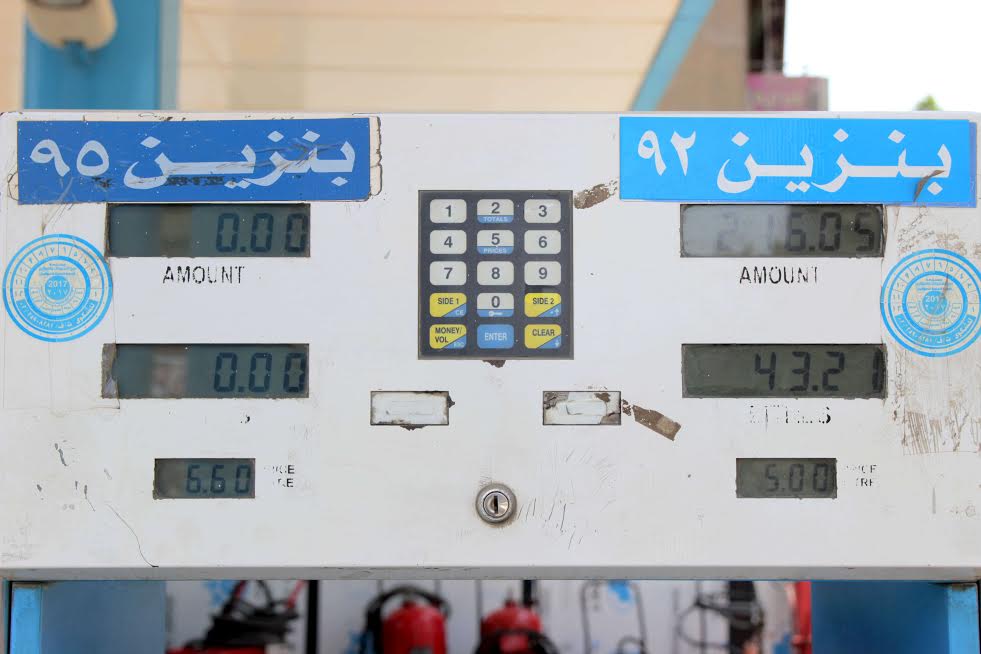
The consumer price of several fuel types is to be raised by as much as 10 percent, the Petroleum Ministry said last week, pointing to the increase in global oil prices as the reason behind the decision.
The gasoline and fuel oil hikes come amid a wave of the worst inflation rates in five years.
To keep consumer prices fixed, the government has been paying billions of Egyptian pounds in subsidies for months. With a surge in crude oil prices on global markets, coinciding with successive devaluations of the pound, the subsidy bill has weighed increasingly heavily on the state’s balance of payments.
But under the International Monetary Fund’s December-approved Extended Fund Facility to Egypt, the government agreed to cut back on energy subsidies, staking out a commitment in the deal to rein in the bill and raise prices for consumers.
Prices for petrol, diesel and mazut were hiked on March 2 by a joint committee of officials from the ministries of petroleum and finance, pushing the price of 80-octane petrol by LE0.75 per liter to reach LE8.75, a 9 percent increase; 92-octane by LE1 to reach LE10.25, a 10.8 percent increase; and 95-octane by LE1.25 to reach LE11.50, another 10.8 percent increase.
The cost of gasoline for car fuel was hiked from LE3.75 to LE4.5 per cubic meter, an increase of over 16 percent. The selling price of mazut for uses in state-supplied bakeries and other non-electricity generation uses was hiked by 20 percent, from LE5,000 to LE6,000 per ton. The committee kept the prices of diesel and mazut for electricity and food manufacturing products stable.
Amid an inflationary wave that has stretched household budgets nationwide and is pushing business owners out of the market, the fuel price hikes are set to exacerbate the stress to consumers. “I estimate the initial impact to be less than 0.5 percent on headline inflation,” said Amr Hussain Elalfy, the head of research at Prime Holding, to Mada Masr, though “the second-round impact could be rather meaningful as higher fuel prices feed into food, beverages and transportation.”
Keeping diesel unchanged should help reduce the inflationary impact, Elalfy added.
Amid public concern about the hikes, an official Local Development Ministry source told the press that microbus tariff prices will be unaffected.
Since fiscal year 2019/20, the government has used hedging to manage the budgetary cost of fuel imports, allocating a fixed amount for energy imports at the outset of each fiscal year based on a projected average price per barrel. If global prices exceed the projected rates, the government will be out of pocket. The fuel pricing committee is tasked with reviewing consumer prices quarterly and adjusting prices at a maximum of plus or minus ten percent to reflect fluctuations in global rates while shielding consumers from the most severe external shocks.
The shock to global oil prices in the wake of Russia’s invasion of Ukraine saw the committee raise prices in 2022. The committee, which looks at oil prices in terms of Egyptian pounds, then kept prices stable during the last quarter of 2022, “probably due to a declining oil price in USD terms, which offset a rather stronger US dollar, ” Elalfy told Mada Masr.
But a major devaluation of the Egyptian pound over January reduced the government’s purchasing power, widening the gap between domestic and global prices and leaving the government footing a bill to subsidize consumer prices, which soared to LE66 billion according to media reports, a 290 percent increase from the amount allocated to fuel subsidies in last year’s budget.
Pressure to roll back the payment of subsidies came under the new $3 billion loan agreement that the government sealed with the IMF in December. Fuel subsidies “disproportionately benefit the wealthy,” stated the IMF’s January 2023 report and should be “redirected towards programs targeted at vulnerable groups.” The lending body also argues that higher fuel prices could reduce carbon emissions.
The government committed in the report to reflecting “global price movements in domestic fuel prices” and continuing to use quarterly repricing "until the level of fuel subsidies for products covered by the mechanism — all products except LPG and fuel oil for bakeries — in the previous fiscal year has been eliminated."
Whether this will entail new hikes to consumer costs, said Elalfy, will depend on whether oil prices continue to rise globally and on the outlook for the exchange rate.
Derivative traders told Bloomberg that they predict an additional fall of the Egyptian pound against the dollar. Abdel Aziz L. Khalifat, professor and undergraduate studies associate dean at the American University in Cairo, also told Mada Masr he expects an increase in fuel prices “to narrow the gap between the subsidized prices of fuel and the liberalized fuel price.”
أخبار ذات صلة

Energy subsidies down, export subsidies up in new budget draft
The government will be implementing sweeping cuts to spending on petroleum subsidies and prioritizing export spending in the upcoming fiscal year's budget,…
Govt weighs higher fertilizer export quota to offset rising fuel costs amid Iran war
The government is holding consultations to increase the price of gas it supplies to fertilizer manufacturers — the single largest energy-consuming industry in…
Govt raises fuel prices by LE2, natural gas for vehicles up 43%
The government raised fuel prices on Friday, increasing the cost of gasoline and diesel by LE2 per liter and natural gas for…
Egypt to boost fertilizer exports to offset planned slash to industrial energy subsidies
The government will raise natural gas prices for industrial use in Egypt in the coming weeks by around US$1-2 per million British…
Your support is the only way to ensure independent, progressive journalism survives.
You have a right to access accurate information, be stimulated by innovative and nuanced reporting, and be moved by compelling storytelling. Subscribe now to become part of the growing community of members who help us maintain our editorial independence.
Join us