
Foreign reserves down by almost US$1 billion in May

Egypt’s net international reserves declined to US$19.559 billion at the end of May, the Central Bank reported.
In April, reserves reached US$20.53, following the arrival of US$6 billion in Central Bank deposits from the government’s allies in the Arab Gulf.
On the eve of the 2011 revolution, Egypt’s reserves stood at US$36 billion. Years of economic stagnation, and declining tourism revenue and foreign investment have left the country short on the hard currency it needs to finance imports.
According to Central Bank figures, Egypt’s import bill reached US$46.4 billion in the first nine months of the current fiscal year, driving an overall trade deficit of US$ 29.6 billion.
During the same period, net inflows of foreign investment amounted to just US$5.7 billion, tourism receipts totaled US$5.5 billion, and Suez canal tolls reached US$4.1 billion.

أخبار ذات صلة
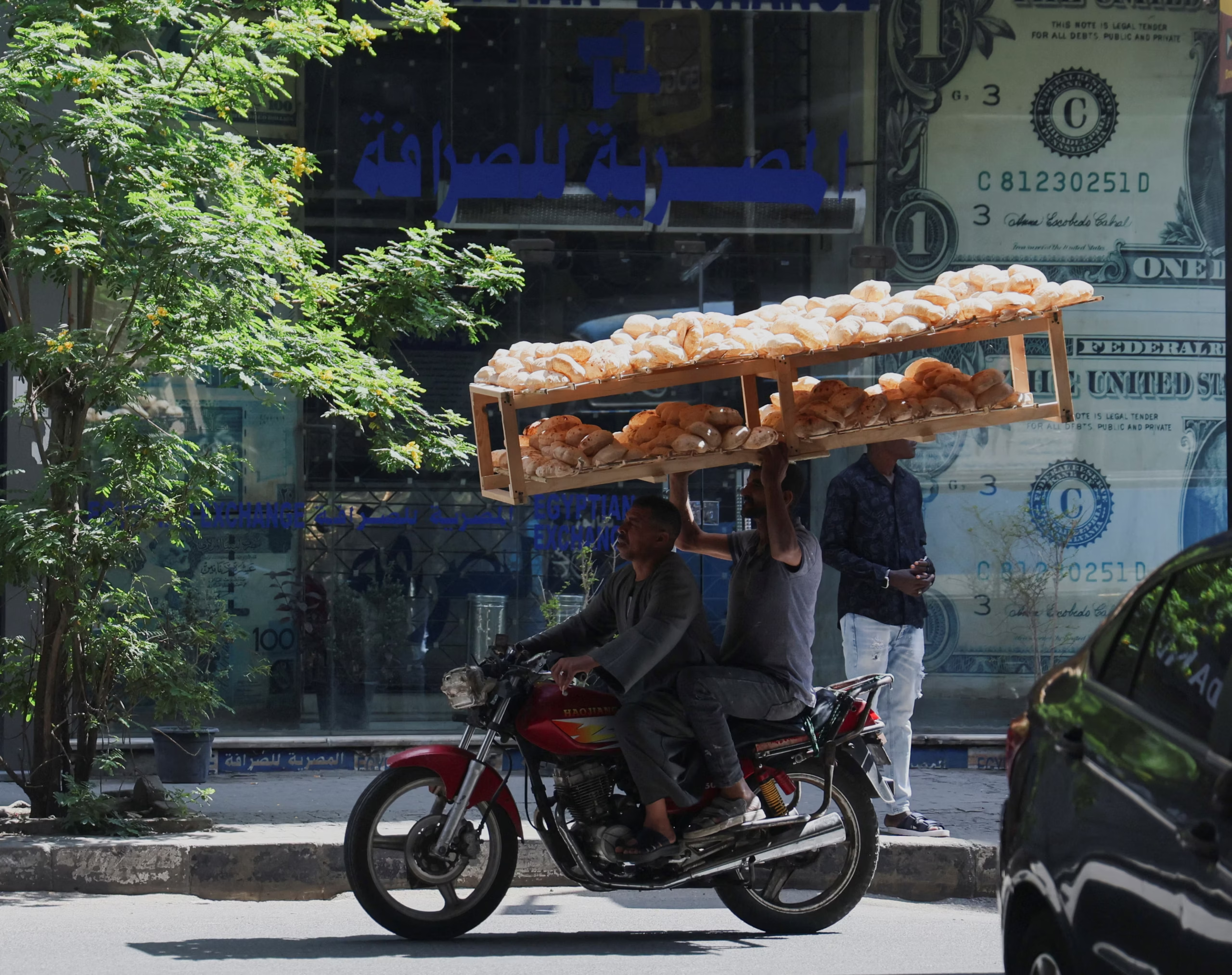
Between rising inflation and shrinking foreign currency: What is the state doing?
The Egyptian pound resumed its slide on Thursday, reaching LE52.42 for the dollar, after a brief rise in value to LE51.92 the previous day. The currency’s slide had begun in…
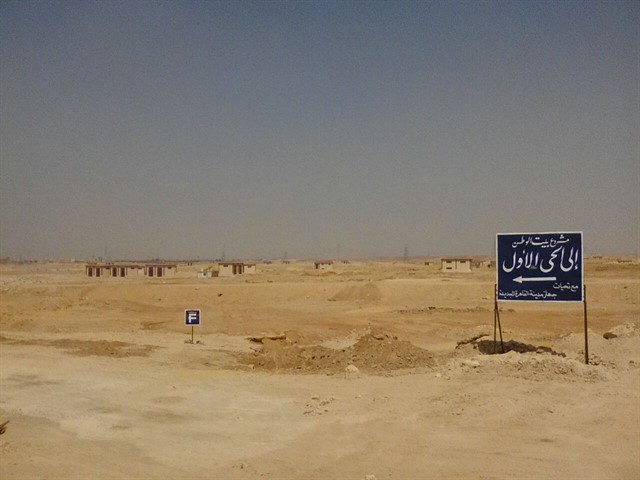
Land-for-dollars Beit al-Watan scheme marred by profiteering, leaving diaspora applicants empty-handed
Analysts warn the dollar-based land sales are pushing prices higher and limiting housing options
IMF in Cairo to discuss privatization, over-reliance on short-term borrowing
A delegation from the International Monetary Fund touched down in Cairo on Monday to begin its final review of the US$8 billion…
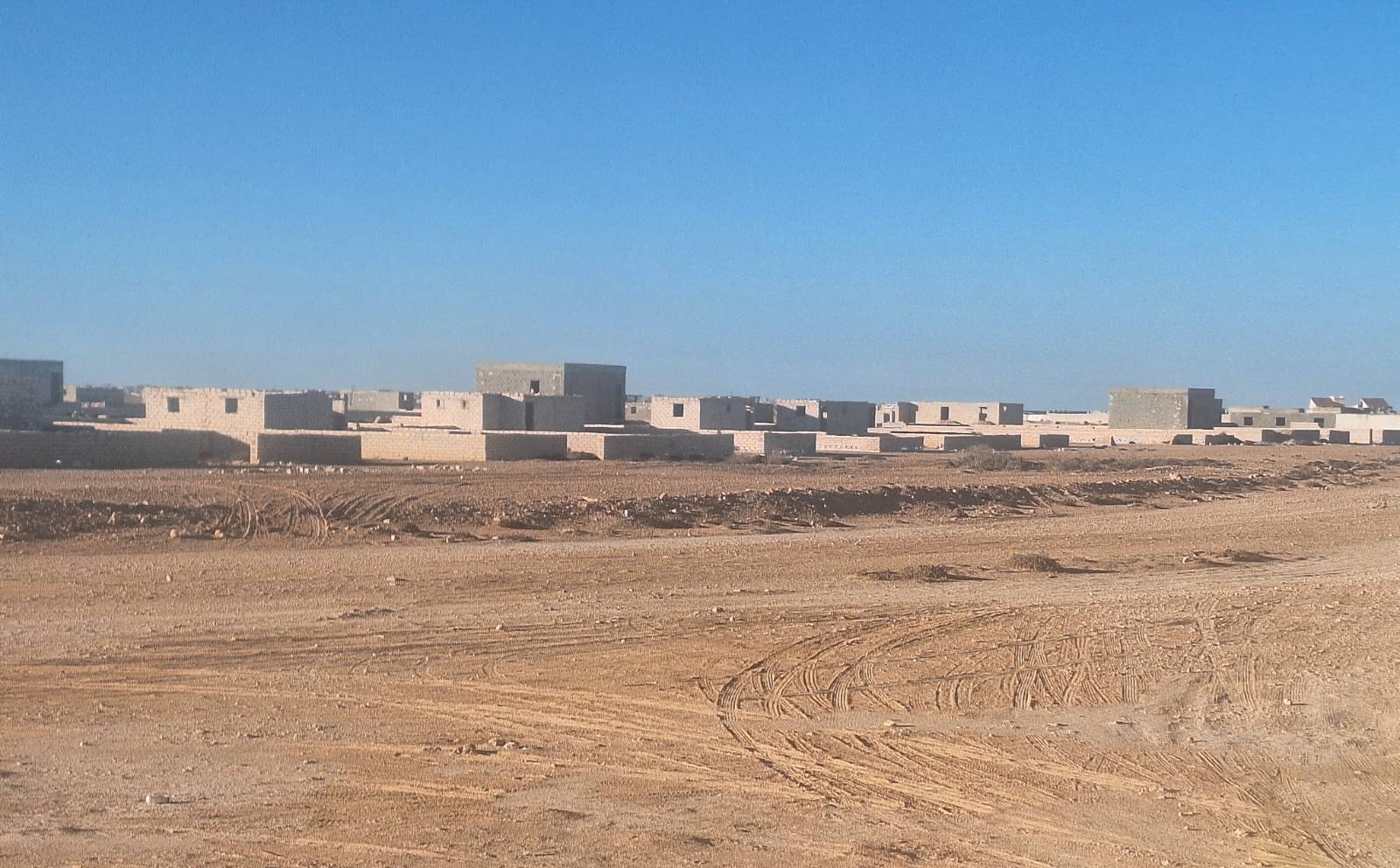
Residents confront demolition team in Matrouh village days after conclusion of Qatari development deal
A man was injured on Wednesday in Semella, Alam al-Roum as residents sought to prevent the forced demolition of a house in…
Your support is the only way to ensure independent, progressive journalism survives.
You have a right to access accurate information, be stimulated by innovative and nuanced reporting, and be moved by compelling storytelling. Subscribe now to become part of the growing community of members who help us maintain our editorial independence.
Join us