
Finance Ministry: Deficit, debt and spending all on the rise
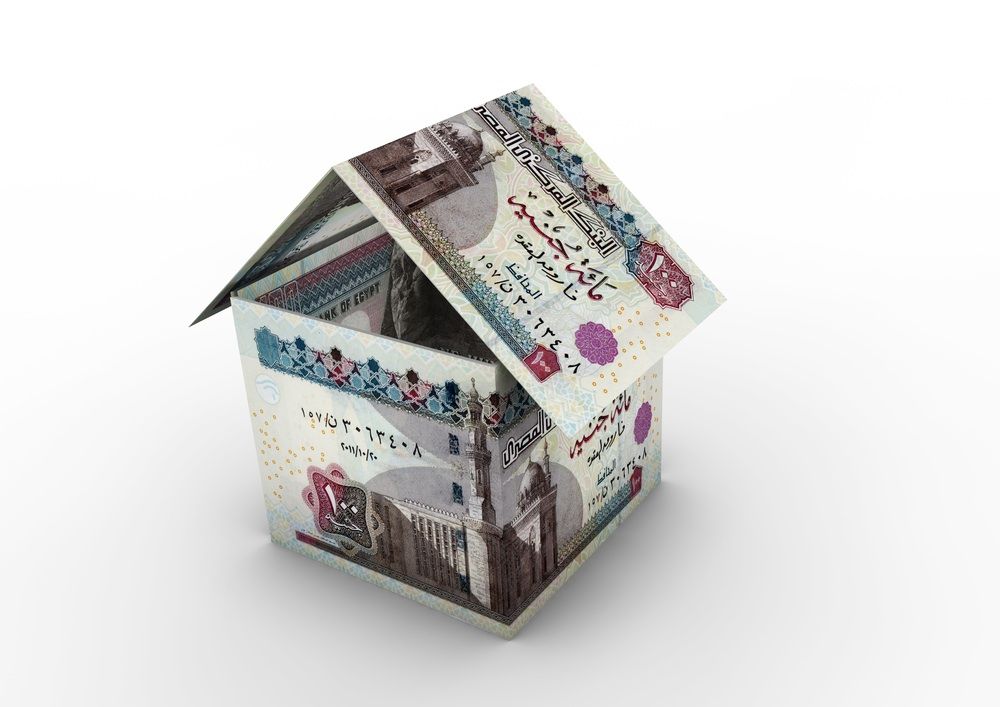
Halfway through the 2014/15 fiscal year, Egypt’s deficit stood at LE132 billion (5.7 percent of GDP), compared to LE89.4 billion (4.5 percent of GDP), in the same period the year before.
According to the Ministry of Finance’s monthly bulletin for January, the widening deficit is largely due to a slowdown in foreign aid. Egypt received LE 7.8 billion in grants from July-December of 2014, compared to about LE 36.8 billion during the same months in 2013.
According to the Ministry, if grants from its foreign supporters were excluded from calculation, the deficit would have narrowed by 0.3 percent during the reporting period.
Overall, Egypt’s government brought in revenue of LE163.6 billion from July to December 2014, and spent LE287.4 billion.
Tax revenues were up by 9.9 percent to reach LE114 billion. This was largely driven by taxes that are levied on both rich and poor Egyptians, and which often disproportionately impact poorer household. The reporting period saw 33.8 percent growth in taxes on goods and services, such as excises on goods like tobacco and petroleum and the general sales tax. Overall, taxes on goods and services reached LE55.3 billion, or 2.4 percent of GDP.
Meanwhile, taxes on income, capital gains and profits fell by 13 percent to reach LE39.3 billion, driven by a 26.1 percent decline in taxes on corporate profits. The ministry points to the lack of petroleum settlements during the reporting period.
On the expenditures side, wages and employee compensation reached LE97.3 billion, up 9.7 percent compared to the same period the year before.
The government spent LE59.5 billion on subsidies, grants and social benefits from July to December 2014, 15 percent less than the same months the year before. Social benefits did increase by 17.3 percent to reach LE23 billion, but this was outweighed by a decline in subsidy spending.
Subsidies amounted to LE33 billion, compared to LE48 billion the year before, primarily because no petroleum settlements were made during the reporting period. Subsidies for state grain buyer GASC grew by a third to reach LE14.6 billion.
Interest payments on government debt grew by almost 15 percent to reach LE80 billion, with the bulk of expenditure going towards interest on Central Bank and treasury bills. Interest on foreign debt reached LE2.6 billion.
The government has not yet released year-end debt figures, but overall government debt reached LE1.99 trillion in September 2014, or 86 percent of GDP.
On the upside, Egypt posted a significant uptick in GDP growth, which reached 6.8 percent in July to September 2014, compared to 1 percent in the same months a year earlier.
GDP growth during the quarter was driven by household and government consumption (up 4.9 percent and 8.8 percent, respectively), investments (up 14 percent) and exports (up 15 percent).
Manufacturing grew by 29.2 percent year-on-year, and tourism by 59.1 percent. Construction was up by almost 10 percent, while agriculture and the general government sector showed single-digit growth.
Natural gas extraction, once again, proved to be a drag on growth, declining by 14.7 percent.

أخبار ذات صلة
Brandishing the military trial stick: The govt’s price control bluff
Another wave of inflation is crashing in. On March 10, and for the third time in the course of a year, the government raised fuel prices again, justifying the decision…
Egypt launches program to fortify subsidized bread against iron deficiency
A source in the Supply Ministry said that the fortified bread will be distributed in 13 governorates
New player bids to import wheat for Egypt’s state silos
The Future of Egypt, a sustainable agriculture agency, announced on Wednesday that it had issued a tender to import 60,000 tons of…
Supply Ministry introduces new penalties for bakeries, mills amid changes to bread subsidy system
Supply Minister Sherif Farouk imposed new regulations on the production of subsidized bread this week, introducing fines for bakeries and mills found…
Your support is the only way to ensure independent, progressive journalism survives.
You have a right to access accurate information, be stimulated by innovative and nuanced reporting, and be moved by compelling storytelling. Subscribe now to become part of the growing community of members who help us maintain our editorial independence.
Join us