
Families remain in Deir Mimas as Israeli forces attempt advance | Day 10 in battle of Khiam | Israeli tanks strike Lebanese military checkpoint in Sur | Hezbollah strikes Tel Aviv
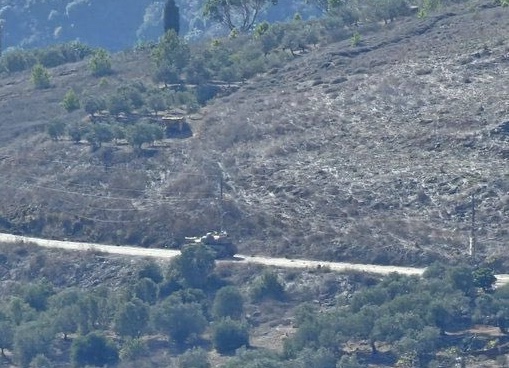
Several families in a south Lebanese town near the Litani River are facing the oncoming advance of Israeli forces seeking, once again, to invade the area.
Since Friday, Israeli forces have advanced from Kafr Kila, a border town in the southeast, approaching the town of Deir Mimas, town mayor George Nakad told Mada Masr.
Nakad said the forces "took positions above the river” and noted that around “10 families remain in the town, including a pregnant woman.” Nakad added that he is in communication with the International Committee of the Red Cross to evacuate the woman and anyone else who wishes to leave.
But Deir Mimas resident and septuagenarian Nahla Abboud told Mada Masr that her choice is to stay. “We will not leave this town,” she said as she noted her town’s history of resisting occupation, referring to Soha Bechara, a native of Deir Mimas who attempted to assassinate Antoine Lahad, the leader of the Israeli-backed South Lebanon Army, in 1988. Resident George Houss told Mada Masr that he, too, would prefer to stay in the town, though he added that “if it becomes a military zone, we’ll have no choice but to leave.”
“We will remain on our land no matter the sacrifices,” Abboud insisted, urging that the town be spared from military operations.
It’s not the first time residents face occupation in Deir Mimas, whose population stands at around 5,000 people during summer while only 80 families generally stay there during winter, according to Nakad. A former detainee of the Israeli military’s Khiyam prison during the occupation, Nakad said that the town, which is registered as majority Greek Christian Orthodox and is known for its olive cultivation, was part of a strip of land in which Israeli forces were prevalent following their 1982 invasion of south Lebanon.
A vast majority of the residents of areas south of the Litani river have been displaced as Israel launches daily waves of bombing on the area. Israel issued renewed evacuation orders on Sunday for towns surrounding Deir Mimas.
But some families, including some of the elderly residents of Deir Mimas, are reluctant to leave homes that have been theirs for decades and face the difficulty of displacement.
“In summer, the town hosts around 5,000 people, but during winter, only about 80 families remain,” he said, as residents return to Beirut for work and education, visiting only on weekends.
As Israeli forces have attempted to encircle Deir Mimas, they have also launched heavy aerial shelling on the nearby towns of Yohmor, Kfar Tebnit and Arnoun intensively, including on Sunday morning.
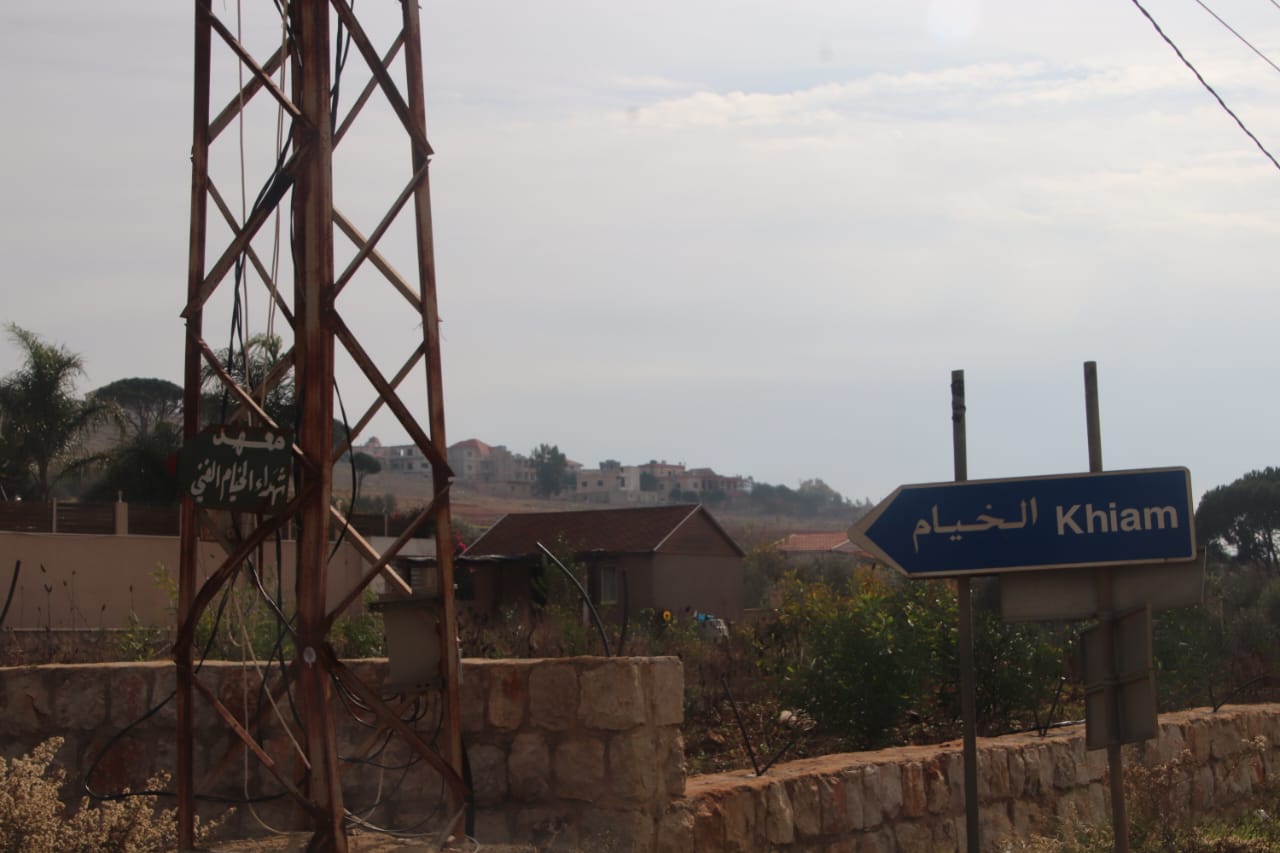
Meanwhile, less than 10 kilometers to the east, Occupation forces have been trying to capture the town of Khiam since mid-November. They had launched an earlier offensive on the town in October, from which they ultimately retreated.
A Lebanese security source told Mada Masr that back-and-forth battles are ongoing between resistance fighters and Israeli forces near the Khiam municipality, with Hezbollah fighters inflicting losses in Israel’s ranks forcing the invading troops to retreat on Sunday to Wata al-Khiam and other positions along the Lebanese-Israeli border.
Hezbollah also launched missile attacks on five settlements in northern Israel on Sunday, as well as on seven gatherings of Israeli forces within the north Israeli settlements of Qiryat Shemona, Manara and Metula. The group also reported that its fighters deployed drones to strike a newly established operations room in Metula and shelled Israeli artillery posts in the border settlement of Dishon.
Further west, Israeli forces launched artillery from Merkava tanks stationed in the town of Shamea targeting the Amriyeh Lebanese military checkpoint in the coastal district of Sur on Sunday, an eyewitness told Mada Masr. The attack killed one soldier and injured 18 others, some critically, according to the Lebanese military’s statement. A source in the Lebanese military told Mada Masr that two other individuals were also killed in the attack.
Lebanese Prime Minister Najib Mikati described the attack as a “direct and bloody message” rejecting all ongoing efforts to reach a ceasefire, strengthen the Lebanese military’s presence in the south and implement UN Resolution 1701, which he said the Lebanese government is committed to enforcing.
US Envoy Amos Hochstein returned to Washington from Tel Aviv on Friday following visits to Lebanon and Israel aimed at drafting a ceasefire agreement. Israeli media reported that disputes remain over several points in the agreement.
Tel Aviv was hit on Sunday afternoon by Hezbollah missiles, after Hezbollah said it had launched a series of aerial attacks on undisclosed military sites in Tel Aviv as well as drone attacks on the Ashdod naval base. Hezbollah also stated that it targeted the Palmachim base south of Tel Aviv, describing it as “the primary base for the Israeli Air Force” that hosts “military drone and helicopter squadrons, a military research center, and the Arrow missile defense system.”
Moreover, Hezbollah reported striking three other military bases with advanced missiles: Biriya base, an air and missile defense facility under northern Israel’s command; Glilot base, which houses the 8200 military intelligence unit in Tel Aviv’s suburbs; and the Shraga base, the administrative headquarters of the Golani Brigade to the north of Akka. The group also reported forcing an Israeli Elbit Hermes 450 drone to retreat from western Bekaa after targeting it with a surface-to-air missile.
The Israeli military shared images of an impact in Tel Aviv on Sunday afternoon.
Amid ongoing ceasefire talks, Israel had launched another round of airstrikes on Beirut on Saturday with a bunker-busting blast targeting Basta al-Fawqa in the city center. The series of four consecutive strikes on homes in Basta killed 20 individuals and injured 66 more, including a Sudanese national, according to a refugee service organization in Lebanon. Civil defense teams are still searching for missing individuals under the rubble. Following media reports that the strikes were targeting a senior military leader, Hezbollah official Amin Sherri denied that any Hezbollah representatives were present in the buildings struck.
In eastern Lebanon, the death toll from a Saturday airstrike on Shmustar in the governorate of Baalbek rose to 17, with 13 others injured. Airstrikes on four other villages in Baalbek district killed ten people and injured 11 more.
The Lebanese Health Ministry reported that, as of Friday, Israel’s aggression on Lebanon has killed around 3,670 people and left 15,413 injured since it started in October last year.
أخبار ذات صلة
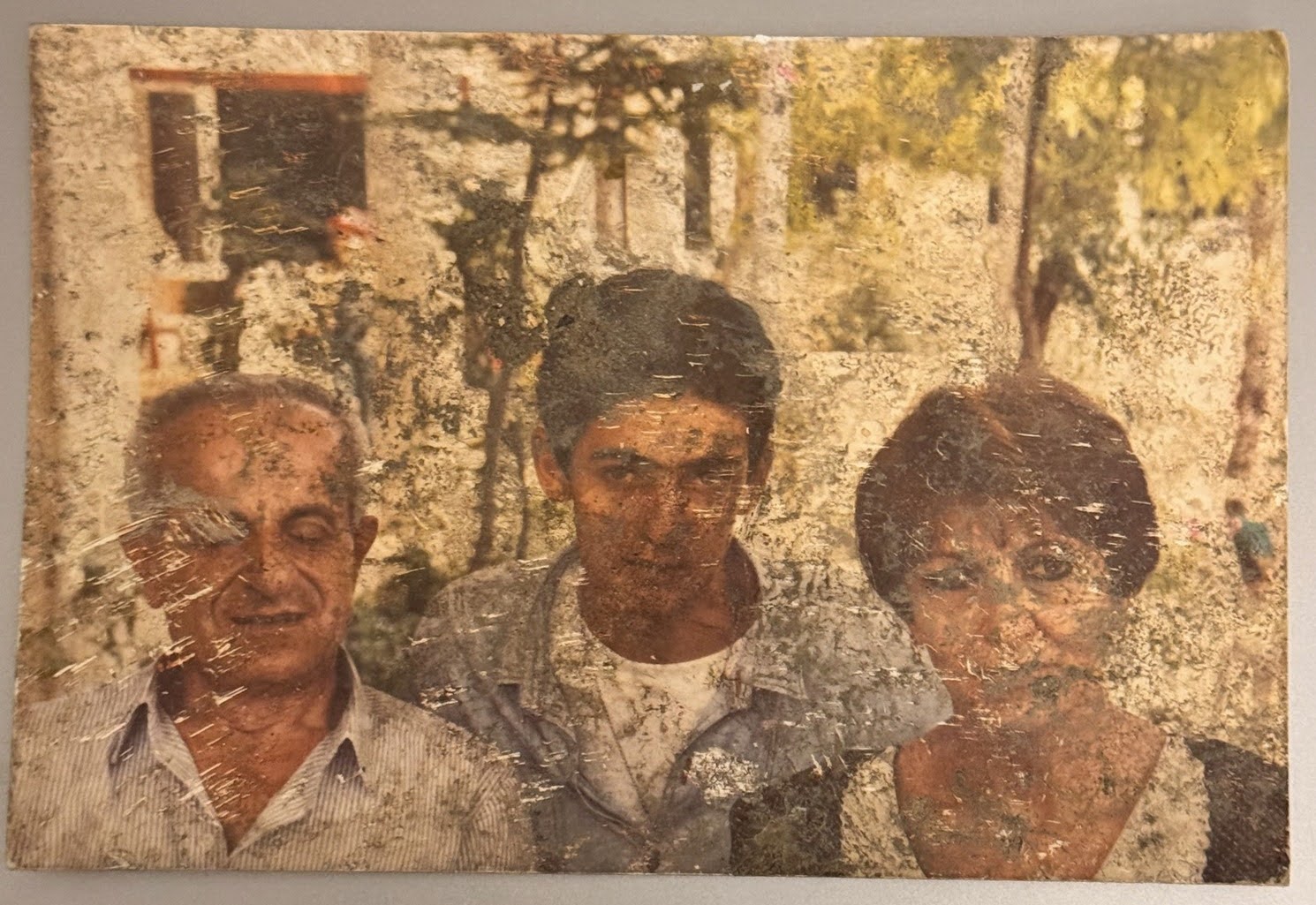
After the catastrophe: Ali Cherri takes Israel to court following the killing of his parents
On November 26, 2024, Paris-based artist Ali Cherri spoke to his mother Nadira Hayek living in Beirut on the phone right before boarding a plane to Vienna where he was…
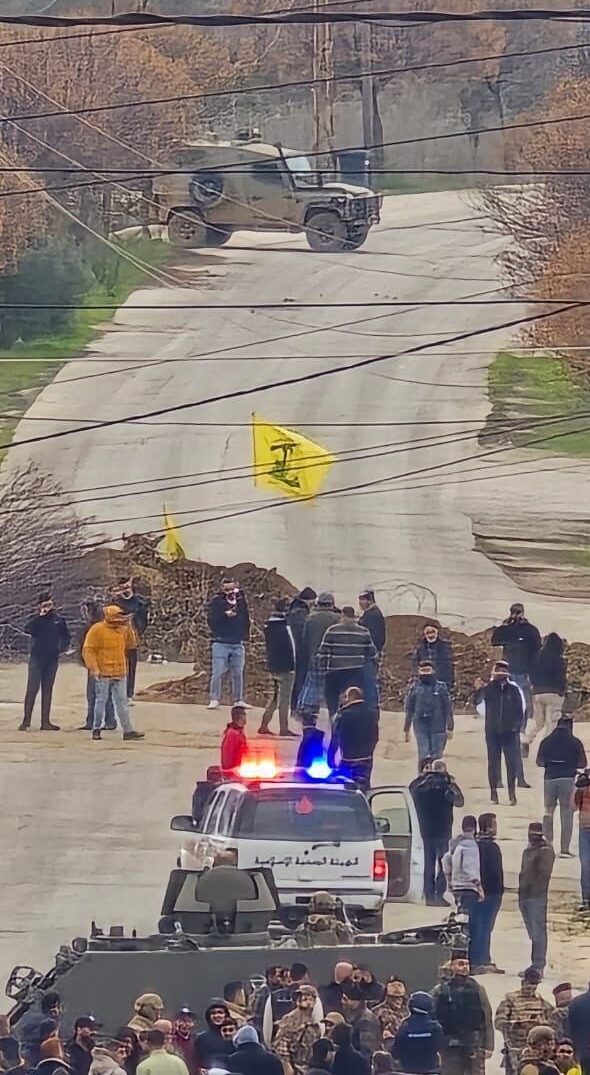
Israeli forces occupying south Lebanon kill 15 as tens of thousands return to claim their land
Israeli soldiers opened fire on crowds of displaced Lebanese on Sunday, as residents began to return to their towns and villages in…
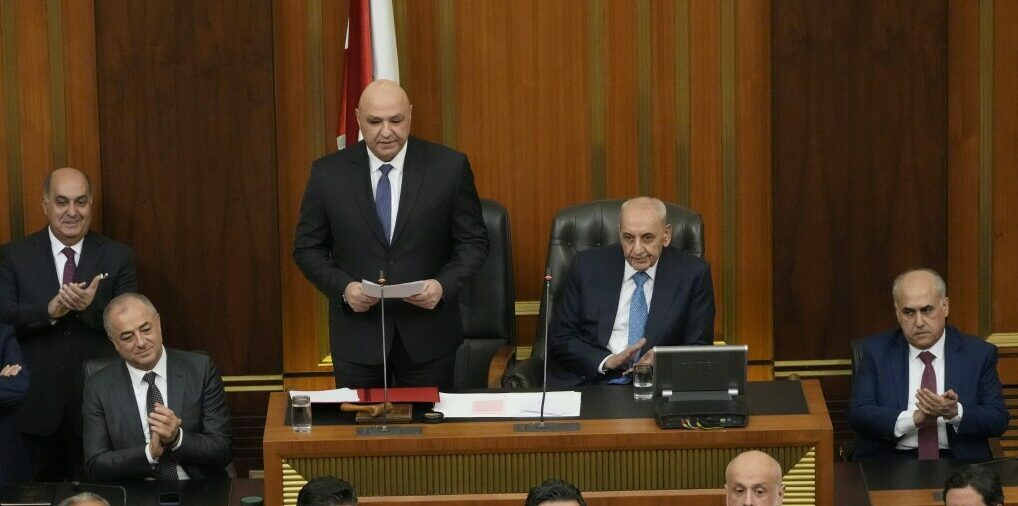
Hezbollah vote secures General Joseph Aoun’s election as new Lebanese president, underscoring party’s concessions to new regional reality
When the Lebanese military began to send the first of its soldiers to the south of the country on November 28, hours after a ceasefire was suddenly announced, it marked…
Uncertainty, danger linger in Khiam after Lebanon’s ceasefire
Mohammad Mohammad Abdullah left his hometown of Khiam in southern Lebanon at the end of 2023, when Israeli airstrikes on Lebanon became…
Your support is the only way to ensure independent, progressive journalism survives.
You have a right to access accurate information, be stimulated by innovative and nuanced reporting, and be moved by compelling storytelling. Subscribe now to become part of the growing community of members who help us maintain our editorial independence.
Join us