
Ezz Steel to buy Abu Hashima’s Egyptian Steel shares
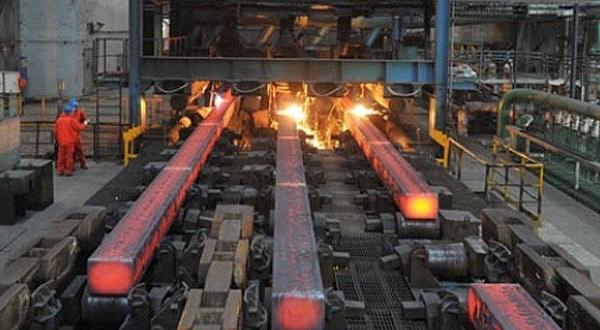
Ezz Steel, a company owned by businessman and former MP Ahmed Ezz, who was jailed on illicit gains charges after the 2011 revolution, is to buy 18 percent of Egyptian Steel in a LE2.5 billion deal, according to a Sunday announcement.
Ezz Steel could use the deal as an opportunity to increase its share in the sheet steel industry, at a time when Egypt-made sheet steel exports have an advantage in global markets, said a high-ranking source in the Federation of Egyptian Industries Metallurgical Industries Chamber who spoke to Mada Masr on condition of anonymity.
A global increase in the price of natural gas — a major input for powering iron and steel production — has given a boost this year to Egyptian-made steel exports; gas prices in Egypt have increased too, but to a more moderate degree. Ezz Steel reaped profits of LE3.2 billion in the first nine months of this calendar year, compared to the LE3.4 billion in losses it recorded last year.
Ezz Steel’s new purchase will buy out the shares currently held by businessman, Egyptian Steel founder, and senator, Ahmed Abu Hashima, while bringing Ezz into his first official partnership with the Armed Forces, which owns a majority share in Egyptian Steel through its industrial arm, the National Service Projects Organization.
The projects organization acquired a majority of Egyptian Steel’s shares in 2018. After the NSPO bought up shares in several iron and steel companies, the head of the Armed Forces Engineering Authority said in 2016 that the army’s entry into the sector aimed to ensure the stability of supply and prices, prevent monopolies in strategic sectors and goods, and support the work of the military institution in mega-projects. According to the industry source, the Armed Forces’ shares in Egyptian Steel serve the interests of their own projects rather than profit.
Now that Ezz Steel has a stake in Egyptian Steel, the company is likely to focus as many of its own production lines as possible on sheet steel for export, to the extent that it could stop making rebar, said the industry source. Ezz Steel would then be able to ensure that its customers’ demand for rebar is met through its profit share in Egyptian Steel.
By making acquisitions, like its purchase of the shares in Egyptian Steel, Ezz Steel can make the most out of current global market conditions and the consequent demand for sheet steel without having to commit to long-term expansion projects, the source said.
Companies like Egyptian Steel that primarily produce rebar — which is mainly used for construction — make negligible profits, if not losses, the source said, pointing to the overhaul of regulations on construction in 2020 that subdued the demand for reinforced steel.
Though Ezz Steel expressed its interest in new licenses for iron and steel production tendered in October by the Industrial Development Authority, it is unclear as of yet whether the company will submit a bid for the licenses.
Ezz, a former leader in the dissolved National Democratic Party, was one of the first officials under the government of ousted President Hosni Mubarak to be taken into custody after the 2011 revolution for corruption, profiteering and illicit gains, charges that were connected to the growth of Ezz Steel under Hosni Mubarak and the former ruling party. Following a retrial, Ezz was released in 2014 upon paying millions of pounds in fines, only to face further legal trouble in 2017 for squandering public funds, a case he would ultimately settle for LE1.7 billion in 2018.
أخبار ذات صلة
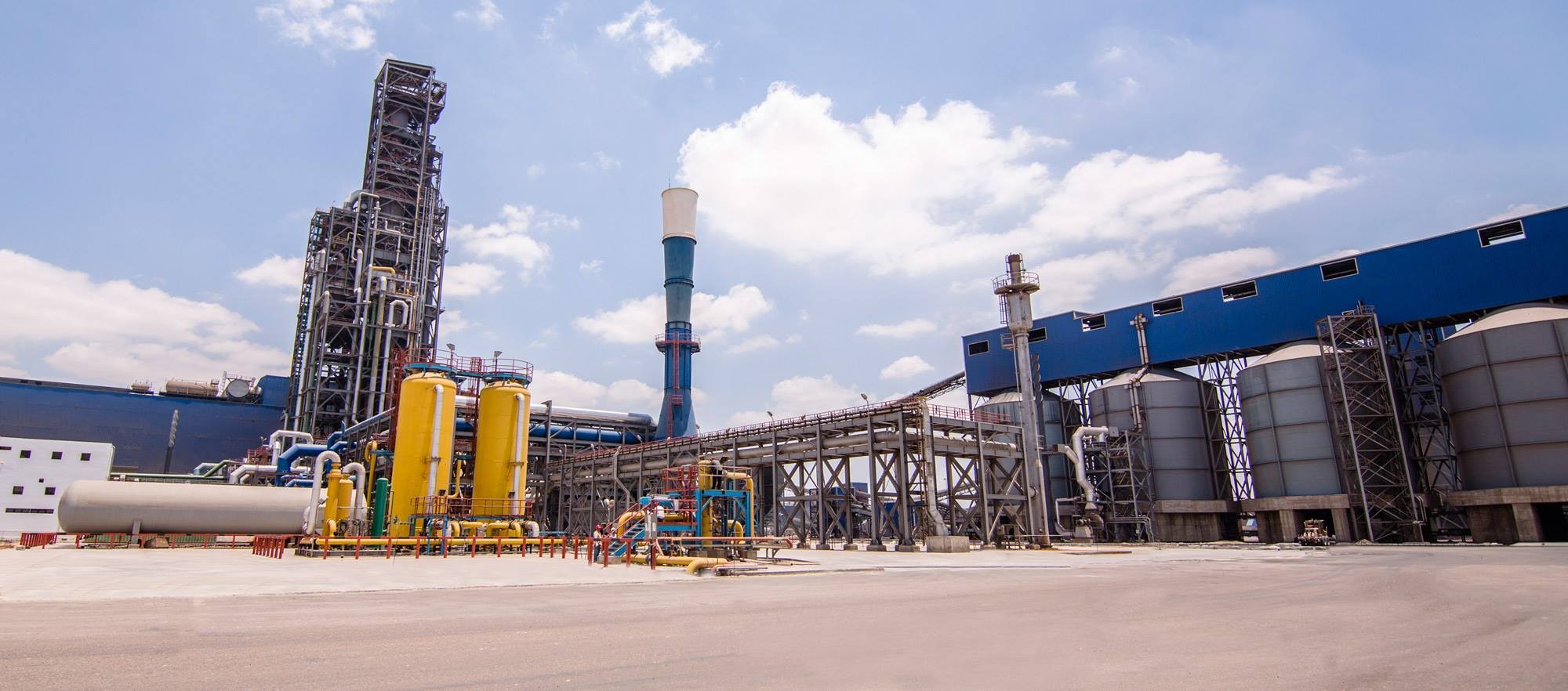
Beshay Steel workers strike, demand wage increase
Workers are also demanding that management end practices to avoid offering permanent contracts
Egypt sees unprecedented hike in steel prices as impact of war in Ukraine ripples across economy
Increases in production costs of construction materials are bound to affect the real-estate market
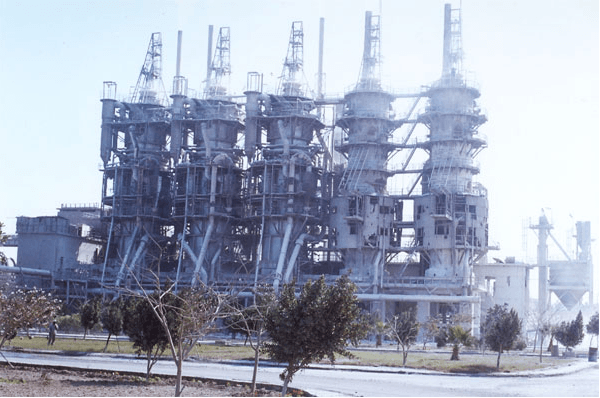
New 3rd-party proposal to modernize Egyptian Iron & Steel Company could divert liquidation plans
Employees have held several protests since the liquidation decision in January
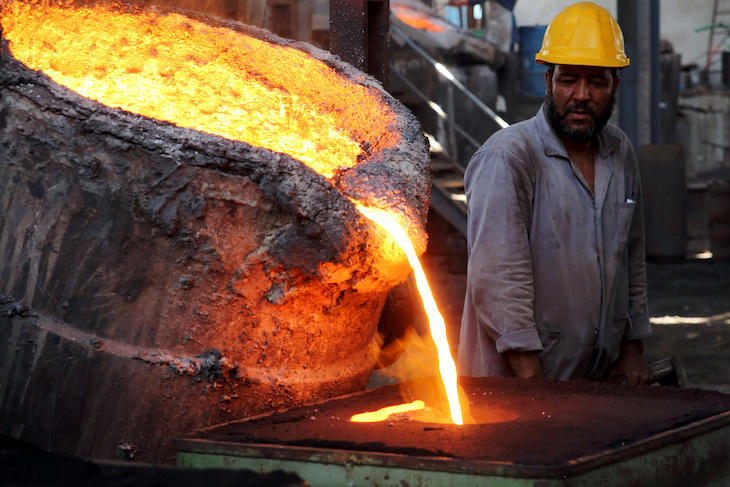
Explainer: Too much steel? What are the market conditions behind the decision to liquidate Egyptian Iron and Steel
What's behind the discrepancy between the “hunger” for imports and the “glut” of production?
Your support is the only way to ensure independent, progressive journalism survives.
You have a right to access accurate information, be stimulated by innovative and nuanced reporting, and be moved by compelling storytelling. Subscribe now to become part of the growing community of members who help us maintain our editorial independence.
Join us