
EU statements anger Egypt

A strongly worded series of recommendations came out of the European Union ministers of foreign affairs meeting in Brussels on Monday, causing some anger on the Egyptian side.
In a press release published on Monday, the Council of the European Union deplored "the absence of a fully inclusive process, the lack of attempts to overcome the polarization of society and the closing of political space for dissenting opinion before and during the referendum."
The EU also criticized the violence perpetrated by the police against protesters and reminded that no investigation has been pursued to hold accountable those responsible for the deaths of hundreds since June 30 and the deepening rift between the pro-military government and the ousted Muslim Brotherhood.
The EU called on Egypt to activate a media code of ethics, to empower youth to take part in the political process and to establish a commission for national reconciliation.
While the union praised the passing of a constitution in Egypt that enshrines a range of rights, it called on the issuing of legislation that comply with this document. It also called on full civilian control over all branches of government and warned against trying civilians in military court, which has been a major battle for human rights defenders in Egypt, particularly in the aftermath of the January 25 revolution.
The EU also criticized the increasing restrictions on media freedoms and pushed the government to move forward with a series of urgently needed economic reforms.
In a statement, Egypt's Foreign Ministry Spokesperson Badr Abdel Aty said that the EU statement contained some negative points that either exhibit a lack of European understanding of the situation in Egypt or a deliberate position to ignore the realities on the ground. He warned that this could reveal a political position from the EU rather than a position emanating from respect to human rights.
Abdel Aty added that some of the points raised by the EU may amount to interference in sovereign matters.
A reference was also made in the press release to the establishment of a regional branch of the office of the High Commissioner for Human Rights in Egypt.
The EU recommendations followed the visit of Stavros Lambrinidis, the EU special representative for human rights to Egypt on February 9, where he met both officials and civil society representatives.
On the official side, Lambrinidis met with Foreign Minister Nabil Fahmy on February 9, where the main government line of committing to the roadmap was presented to him, according to the State Information Services portal. The Foreign Ministry Spokesperson Badr Abdel Aty said that the minister presented to the EU envoy the challenges faced by Egypt in the form of terrorist attacks.
From the other camp, Lambrinidis met with members of 12 civil society organizations in a roundtable organized by the Cairo Center for Human Rights Studies on February 9. At the meeting, the question of police crackdown on activists was presented by human rights defenders, as well as the influence of the security apparatus on judicial proceedings. They also spoke to the EU envoy about concerns of human rights observance in the wake of the state's fight on terrorism.
According to the state-run Al-Ahram portal, Lambrinidis also met with lawyers working on the cases of activists Ahmad Maher, Ahmad Doma, Alaa Abd El Fattah and Mohamed Adel, who are facing charges after protesting without permission. In the meeting with the lawyers, according to the portal, the EU representative inquired about the legal processes surrounding the activists' imprisonment as well as the pressure encountered by lawyers and their inability to reach the defendants.

أخبار ذات صلة

Europe hosts Sisi at ‘strategic partnership’ summit expected to pave way for disbursal of 4 billion euros
President Abdel Fattah al-Sisi landed in Brussels on Tuesday to attend the European and Egyptian leaders summit, an event where he is…
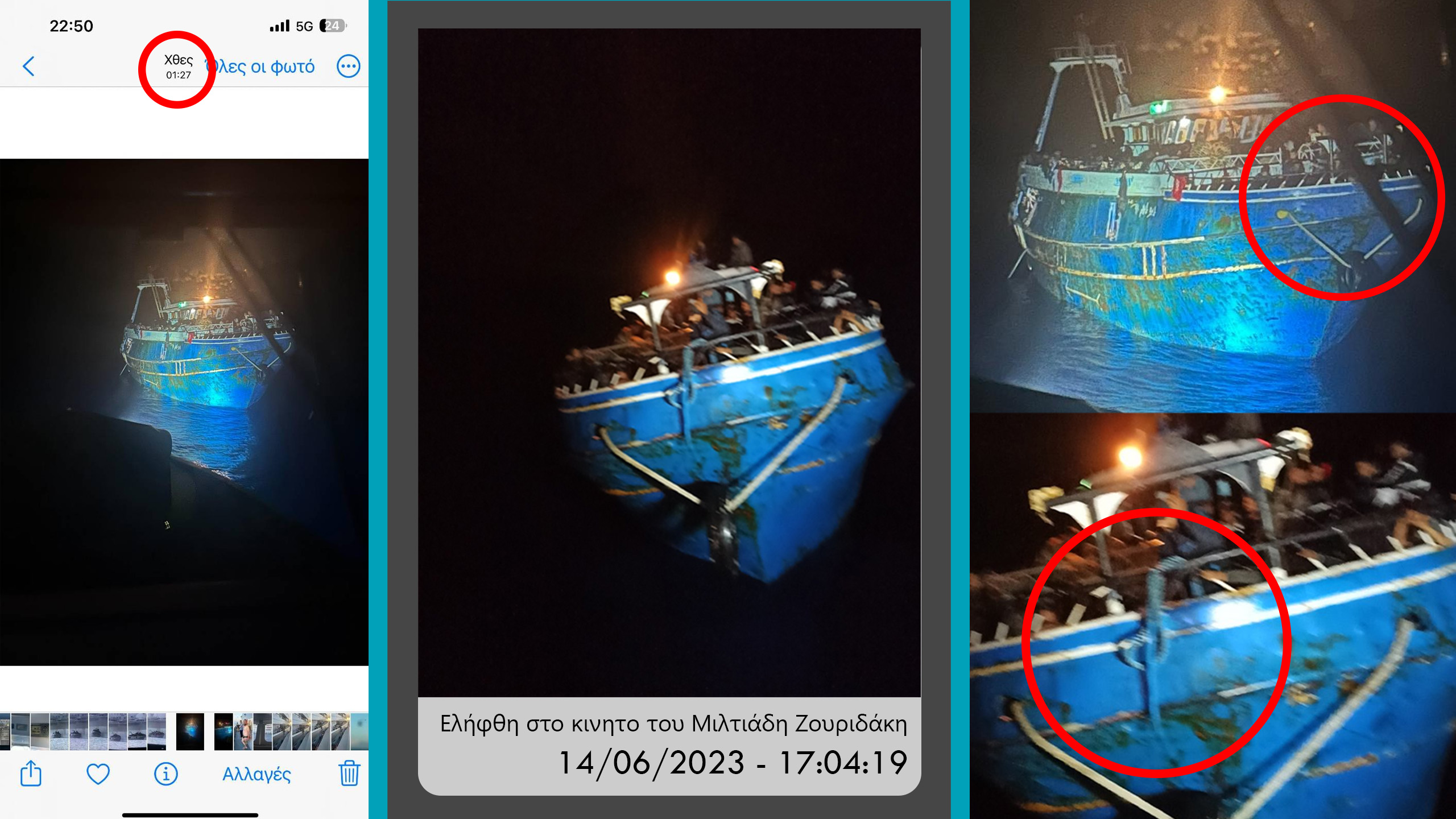
The Pylos shipwreck, the disappearing blue rope, and the trial ‘to determine the kind of world we want to live in’
A boat carrying hundreds of migrants, including 200 Egyptians, sank off the coast of Pylos in 2023

Greek coast guard officials face criminal investigation 2 years after deadly shipwreck
A naval court in Greece has referred 17 members of the country’s coast guard to criminal investigation for causing the deaths of…

‘Recycling’ the migration books: How Egypt manipulates smuggler arrests for EU money
“Just bear with it for a while, the European Union is causing trouble. You’ll be released”
Your support is the only way to ensure independent, progressive journalism survives.
You have a right to access accurate information, be stimulated by innovative and nuanced reporting, and be moved by compelling storytelling. Subscribe now to become part of the growing community of members who help us maintain our editorial independence.
Join us