
Ethiopian ambassador says GERD talks to resume early April as Sisi escalates tone

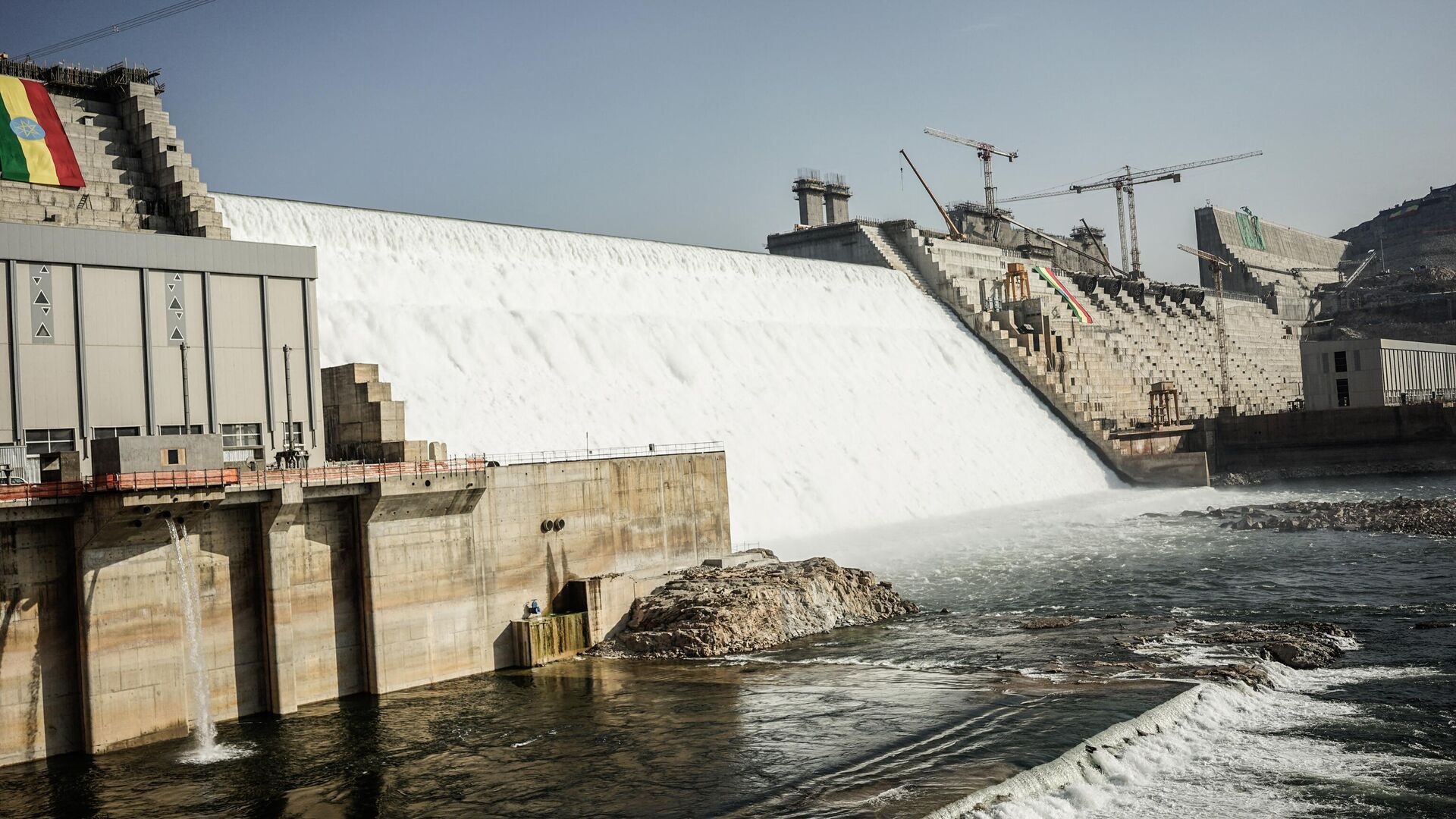
Sudan, Egypt and Ethiopia are to resume yet another round of negotiations on the filling and operation of the Grand Ethiopian Renaissance Dam in early April in Kinshasa, the Democratic Republic of Congo, the Ethiopian ambassador in Cairo Markos Tekle Rike said in a presser today, confirming what an African diplomatic source told Mada Masr yesterday.
According to the African diplomatic source the DRC, which currently chairs the African Union, is preparing to host the negotiations in the coming days after an agreement was reached to resume what have been contentious talks that failed to settle on a resolution before Ethiopia commenced the first filling last year. The meeting will bring together the irrigation ministers of the three countries and could also include foreign ministers as early as Sunday, the source, who spoke to Mada Masr on condition of anonymity, added.
The development comes as President Abdel Fattah al-Sisi addressed the dam and Egypt’s water security during a press conference in Ismailia on the eastern bank of the Suez Canal on Tuesday.
“Egypt’s water is untouchable. Harming Egypt’s waters is a red line,” Sisi said. “If anyone were to take a single drop from Egypt, there will be a state of instability in the region that no one can imagine.”
Despite striking an antagonistic tone, Sisi emphasized that he was not issuing a threat, stating that Egypt and Ethiopia are still interested in negotiations and both sides should be cautious of the long-term toll of “aggressive” solutions.
“Aggressive solutions are ugly and have repercussions that extend for years. What we demand does not go beyond international laws and standards regulating transnational waters,” Sisi said.
The Wednesday presser by the Ethiopian embassy comes as part of an attempt to engage with Egyptian media, according to the Ethiopian ambassador to Cairo.
“There is a plan to engage more with the media and the Egyptian public as well,” Markos told Mada Masr.“Rather than copying unbalanced and overrated reports and politically motivated misinformation, you can just approach our embassy to ask us about issues. As two African countries, reporting badly on each country is not the best situation."
During the presser, Markos addressed what he described as the “huge available opportunities” between the countries on the files of political and economic cooperation.
A few hours after Sisi’s remarks, several Arab countries rallied around Egypt, issuing statements of solidarity and support.
In a statement to both Sudan and Egypt, Saudi Arabia said that both countries’ “water security is an inseparable part of the security of the Arab world,” adding that the kingdom “supports any efforts that contribute to closing the GERD file and taking care of the interests of all parties,” before stressing “the necessity of resuming negotiations to reach a fair settlement.
The same statement of support was echoed by Yemen, Oman, Kuwait and Bahrain.
Later on Wednesday, the United Arab Emirates issued a statement as well, striking a different tone, However, in the statement, the Emirates, which has presented itself as a mediator in the dam dispute, did not offer support to Egypt or Sudan. Instead, it expressed “great concern and interest in continuing the constructive diplomatic dialogue and productive negotiations to overcome any differences on GERD between the three countries.”
Egypt’s relations with the UAE are going through a phase of “revision,” according to Egyptian officials. Mada Masr reported on the rocky foreign policy relations between the two countries in December, which has seen them come to a head over several issues, including the Emirati presence in the Red Sea and Horn of Africa.
In January, the UAE approached Sudan and Ethiopia with a proposal to act as an intermediary between the two, in an attempt to calm border tensions that have flared up in recent months over the fertile Fashaqa region. The UAE included the dam file as part of this proposal, according to an African diplomatic source who spoke to Mada Masr, with the possibility of including Egypt in UAE-sponsored talks.
According to an Egyptian source, it is not clear whether Egypt will accept the UAE’s proposal to mediate, as the UAE has not provided Egypt any support in the negotiations on the dam, despite its economic influence and investments in Ethiopia. Abu Dhabi has its own interests in the Red Sea, an issue that the source thinks makes it less keen to support Egypt.
Yesterday, the head of Sudan’s Sovereign Council met with US Special Envoy for Sudan Ambassador Donald Booth and head of the European Union Delegation to Sudan, Ambassador Robert van den Dool, to discuss GERD and Sudan’s border tensions with Ethiopia.
Their visit comes amid a push, proposed initially by Sudan and supported by Egypt, to include the United States, the European Union, and the United Nations as a quartet of mediators alongside the African Union to oversee GERD negotiations.
Booth and Dool’s visit comes as part of a regional tour also expected to include the DRC, Ethiopia and Egypt.

أخبار ذات صلة
Ethiopia unveils 3 new hydropower projects on Nile, stoking concerns in Cairo
Blue Nile Cascade project: An ‘East African energy hub’ or a catalyst for ‘direct confrontation’ on the Nile Fulfilling a decades-long plan…
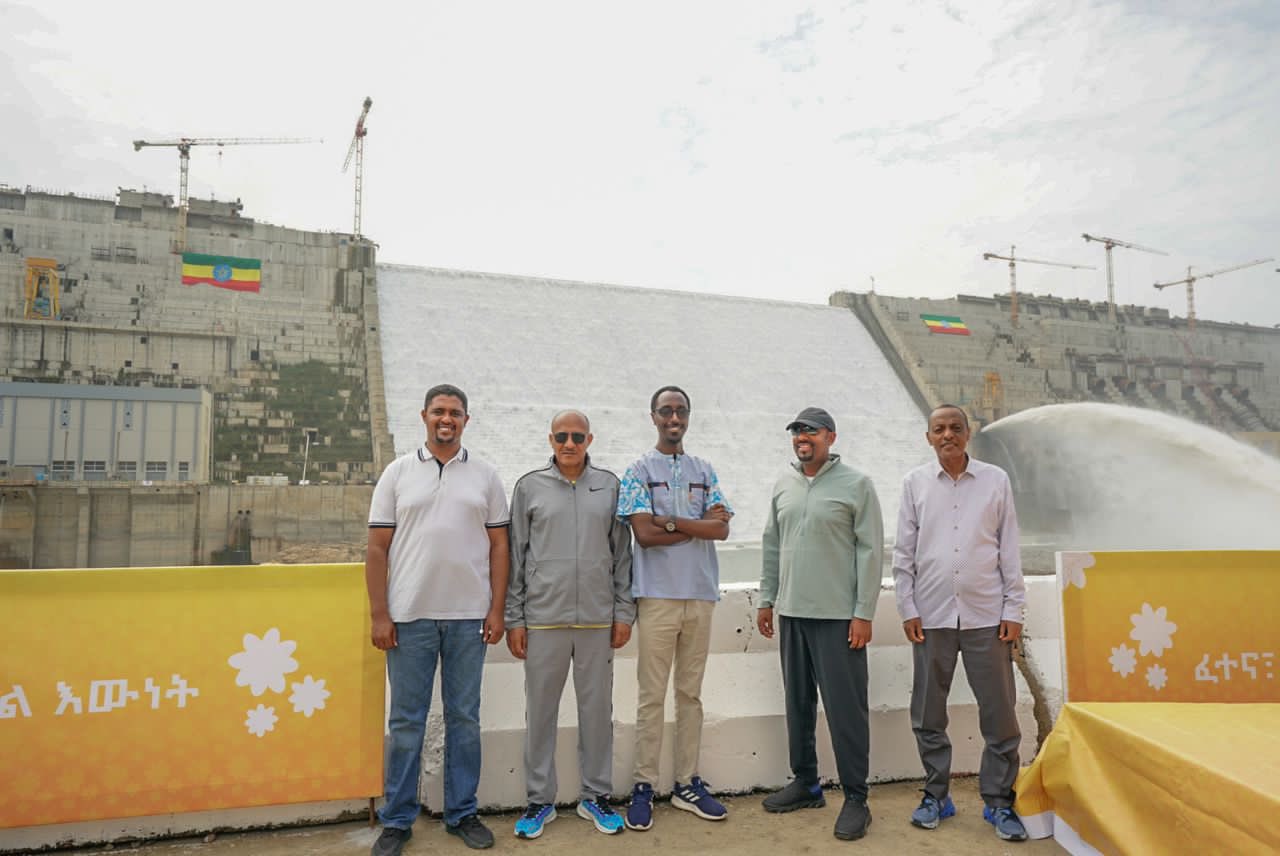
Egypt, Sudan and Ethiopia resume negotiations over Ethiopia’s mega-dam in Addis Ababa
Another round of talks on the Grand Ethiopian Renaissance Dam continued on Saturday for three days, with representatives from Egypt, Ethiopia and…
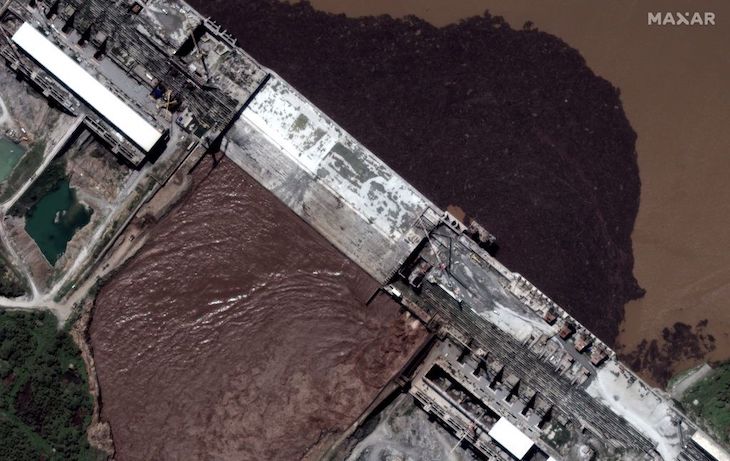
After 2 years of deadlock, GERD negotiations resume in Cairo
Addis Ababa has gradually filled the dam's reservoir over the past three summers
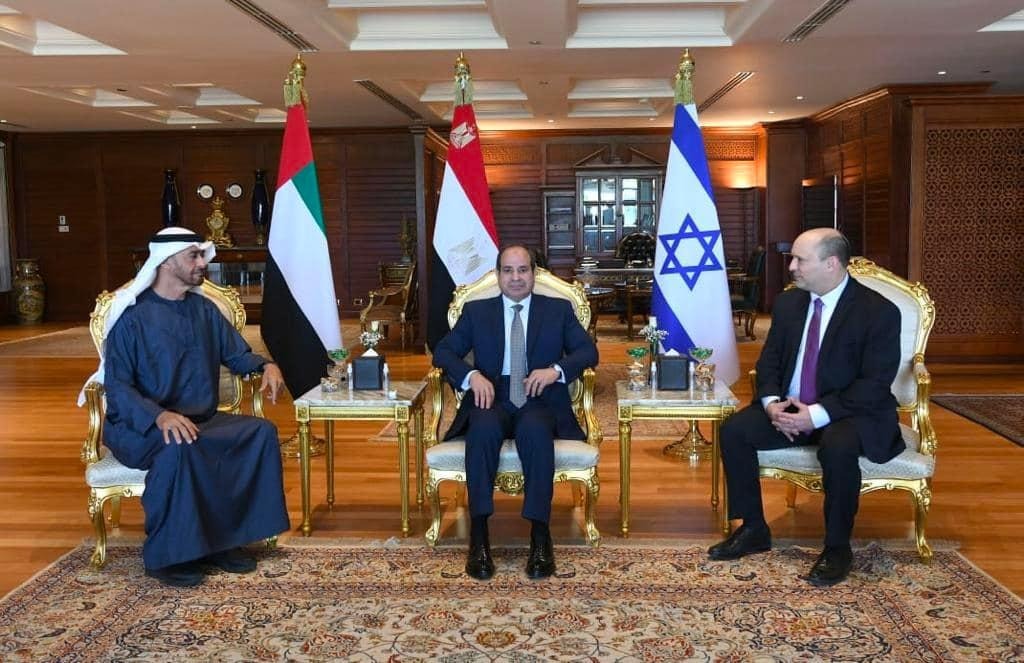
A new regional security framework? Emirati-led anti-Iran initiative plays out in Sharm
“Nothing big will come of the summit. But we could not say no,” said one Egyptian official.
Your support is the only way to ensure independent, progressive journalism survives.
You have a right to access accurate information, be stimulated by innovative and nuanced reporting, and be moved by compelling storytelling. Subscribe now to become part of the growing community of members who help us maintain our editorial independence.
Join us