
Environmental advocacy and research constrained in Egypt, says Human Rights Watch
Independent organizations are constrained from conducting environmental advocacy and research by heavy-handed government gatekeeping that has made them wary of engaging publicly with COP27 which Egypt will host in Sharm el-Sheikh later this year, concludes a Human Rights Watch report released on Monday morning.
HRW calls on Egyptian authorities to “urgently halt the campaign of repression against independent civil society groups,” and holds the United Nations Framework Convention on Climate Change Secretariat and other governments involved in COP27 accountable, highlighting that the highest priority should be to “work with the Egyptian government to provide space for diverse civil society participation at the climate talks.”
Based on interviews with 13 activists, academics, scientists, and journalists working on environmental issues in Egypt, the report notes legal and security obstacles that hinder the work of environmental or climate groups, and ultimately threaten Egypt’s capacity to meet its climate goals.
Though the report finds that a degree of space has opened up in the lead-up to COP27, which Egypt will host in November, many groups have found that they can engage only with aspects of environmentalism and climate advocacy that are “less critical of the government” or in line with its current agenda.
Since President Abdel Fattah al-Sisi took office in 2014, all of those interviewed by HRW said there has been a clear and sharp reduction in the space for independent environment or climate work, describing a variety of government tactics, including harassment and intimidation, used to scare groups away from the field. A number of organizations said they had to scale back the scope of their work and research to be able to survive the restrictions.
New laws, particularly regulating the work and sources of funding received by non governmental organizations, provide a legal pretext for the state to halt the organizations’ activities. Since 2014, dozens of independent human rights and civil society organizations have faced legal action for receiving foreign funds and people associated with them have been targeted with travel bans and asset freezes.
The government routinely and comfortably imposes arbitrary funding, research, and registration obstacles, implemented to gradually eat away at local environmental groups, said HRW Environment Director Richard Pearshouse,“forcing some activists into exile and others to steer clear of important work.”
Environmental issues or topics that are more likely to invoke censure from authorities include those that center or point out the government’s failure to guarantee and protect the public good against damage caused by corporate interests, including diminishing water resources, industrial pollution, environmental harm caused by government real-estate ‘development’ projects, some cement factories, and any of the large scale national infrastructure projects such as the new administrative capital. Any projects associated with the military and the president’s office are also off-limits.
Environmental groups can function more safely if they match their priorities with those advocated in government, said some, pointing to issues such as trash collection, recycling, research into renewable energy sources, food security projects, or independent interest in pursuing climate financing opportunities as safer grounds for engagement.
Groups that retained a critical approach told HRW that they fear reprisals if they engage with COP27 in public. “When COP ends, they might start looking and see who is doing what, who got funds from where, for example,” said an activist who currently lives abroad.
HRW said it had sent questions about the situation of environmental groups to Egyptian authorities, but received no response.
Making a call for Egypt to bring repressive practices against non governmental environmental groups to an end, Pearshouse said, “the world needs more climate activism, not less, and there can be no such effective activism when the government treats civic groups as a threat, not an asset.”

أخبار ذات صلة
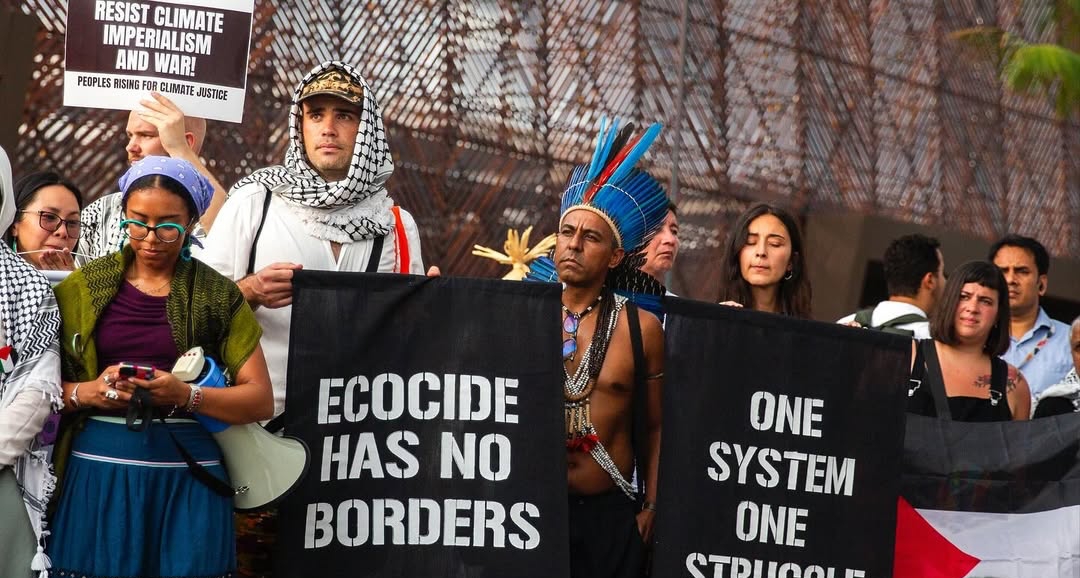
Climate goals flounder in headwind from militarization, competition, AI
COP30 kicked off in Belem, Brazil earlier this week. Delegates from 200 countries are attending. The Climate Action Tracker report released on November 13 shows that the planet is on…
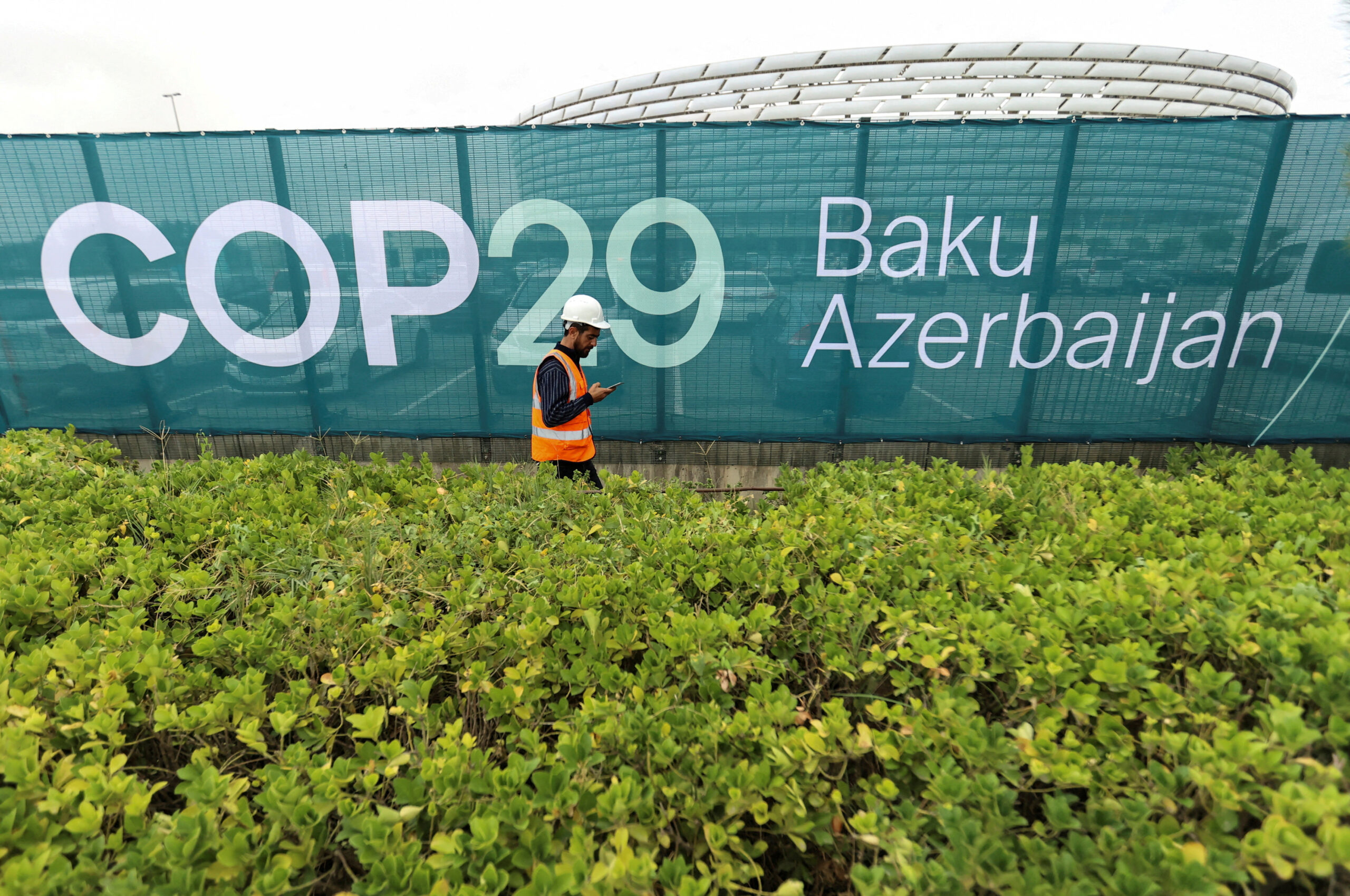
COP29 launches in Azerbaijan aiming to renew climate financing goal unmet for majority of past decade
Monday marked the start of the 29th Conference of the Parties (COP29) in Baku, Azerbaijan, where representatives from around the world are…
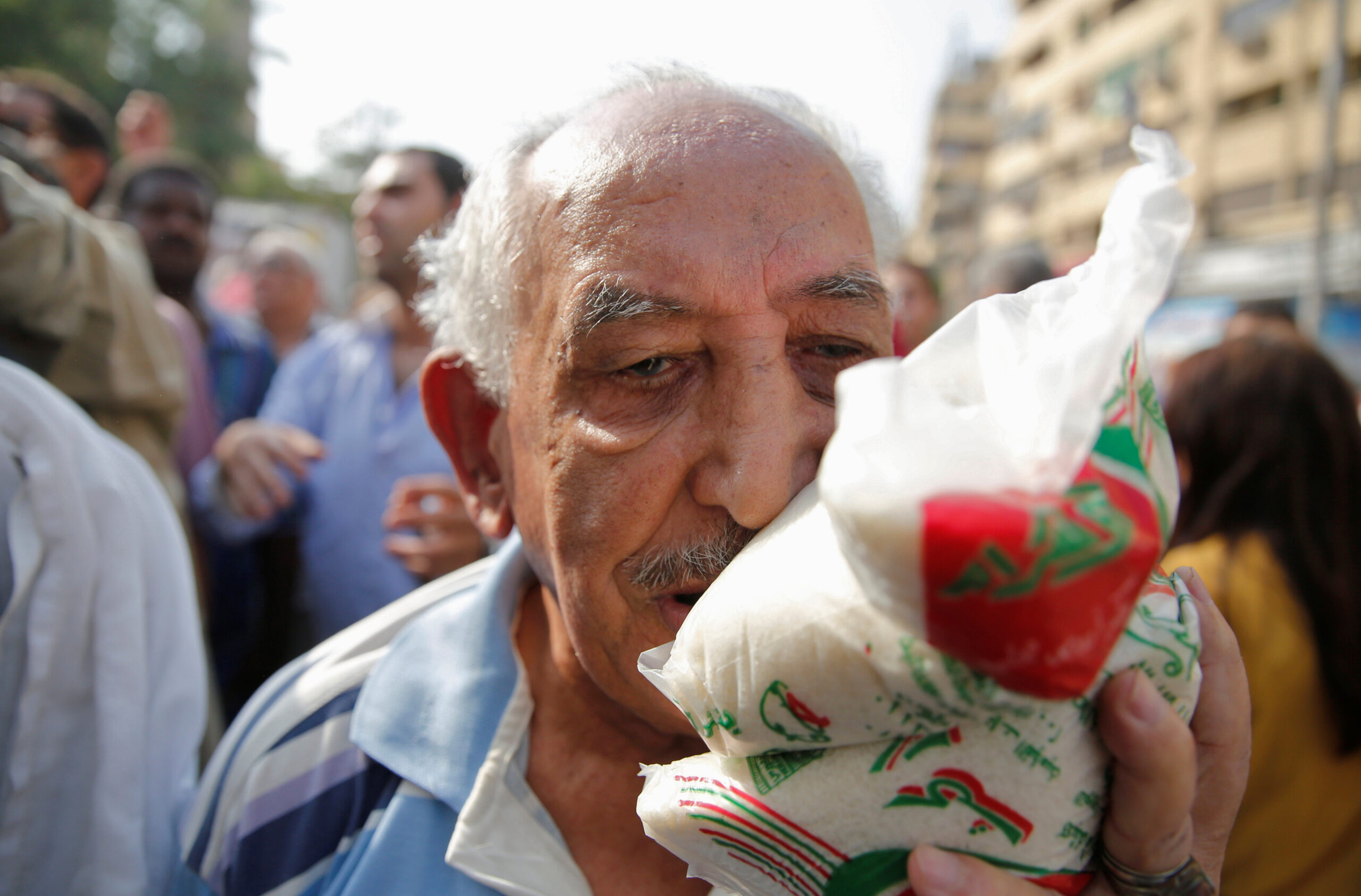
Unsweetened days: How the sugar crisis was stirred by government policy missteps
Another sugar crisis spells out longer queues and shortages as government rushes to address problem.
What can we expect from this year’s COP28?
Interview on COP28 with lead Egyptian climate financing negotiator Mohamed Nasr.
Your support is the only way to ensure independent, progressive journalism survives.
You have a right to access accurate information, be stimulated by innovative and nuanced reporting, and be moved by compelling storytelling. Subscribe now to become part of the growing community of members who help us maintain our editorial independence.
Join us