
Egypt’s trade deficit up 52.7 percent in April
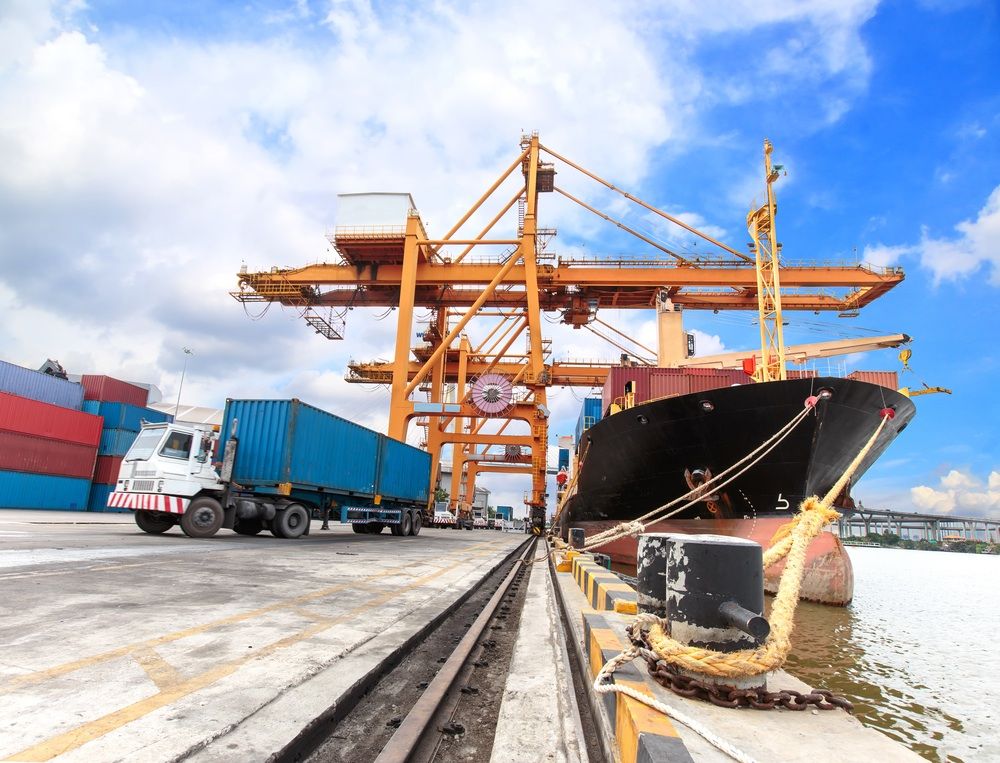
With imports up and exports down, Egypt’s trade deficit widened to LE24.6 billion in April, up 52.7 percent compared to the same month last year.
State statistics agency CAPMAS attributes the decline in export values to lower prices for goods, including crude oil and textiles. Meanwhile, CAPMAS says, higher prices for goods like cars and refined petroleum products drove up the import bill.
The news comes at a time when global commodity prices are in steady decline, including prices for fuel, wheat and other key items Egypt imports.
Economists, including Central Bank of Egypt Governor Hesham Ramez, have suggested a strong Egyptian pound is partly responsible for Egypt’s lack of competitiveness in the export market.
The pound has been allowed to devalue twice in 2015 — from LE7.14 to the US dollar to LE7.53 to the dollar in late January and early February, and again to LE7.73 to the dollar in early July — its value is still roughly pegged to the US dollar.
With the dollar on the rise, the pound has often outperformed currencies such as the Euro, making Egyptian goods and services more expensive in the Eurozone and other global markets. The European Union is Egypt’s largest trading partner.
Egypt’s trade deficit has driven a balance of payments deficit that hit US$1 billion for the first half of the 2014/15 Fiscal Year.

أخبار ذات صلة
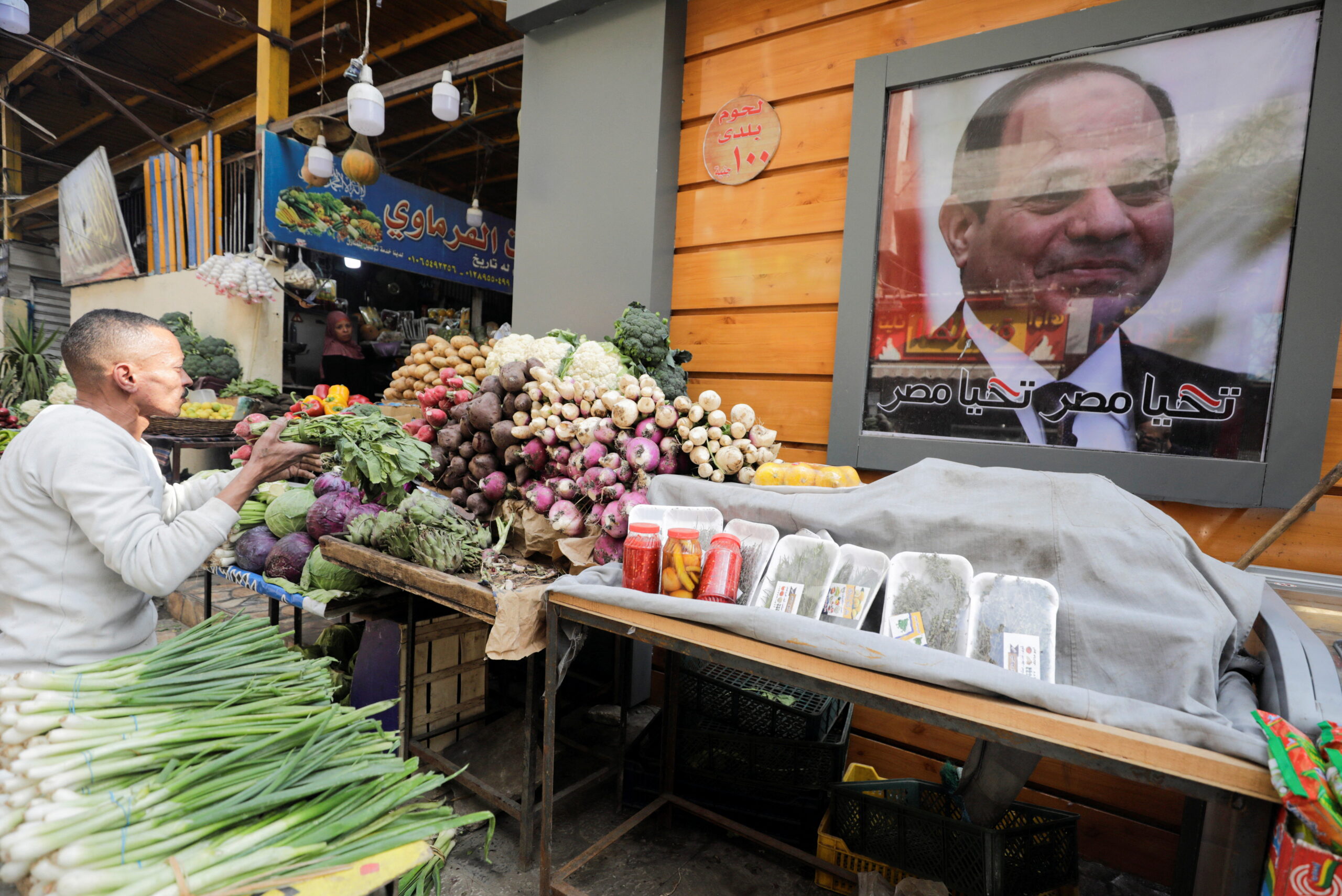
Vegetables, transportation push inflation back up after energy price hikes
The new data represents the first acceleration after inflation trended downward for five months.

With no new hires, teacher shortfall widens in government schools
A government freeze on new permanent contracts for public school teachers is in its seventeenth year
Infographic: Egypt’s labor market dominated by ‘severe disparities,’ CAPMAS study says
The report highlights disparities in gender participation and legal protections for workers
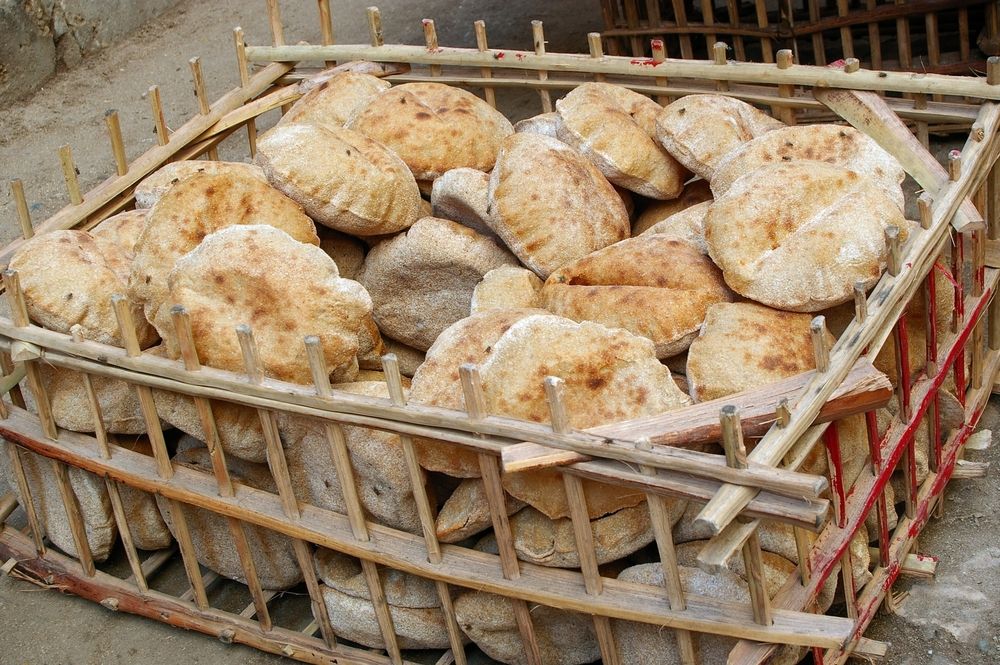
Do not rest assured: People in need are still not getting their food subsidies
The announcement came two days after Sisi wrote on his Facebook page about the food program cuts
Your support is the only way to ensure independent, progressive journalism survives.
You have a right to access accurate information, be stimulated by innovative and nuanced reporting, and be moved by compelling storytelling. Subscribe now to become part of the growing community of members who help us maintain our editorial independence.
Join us