
Egypt’s pound rebounds on black market after hitting record lows
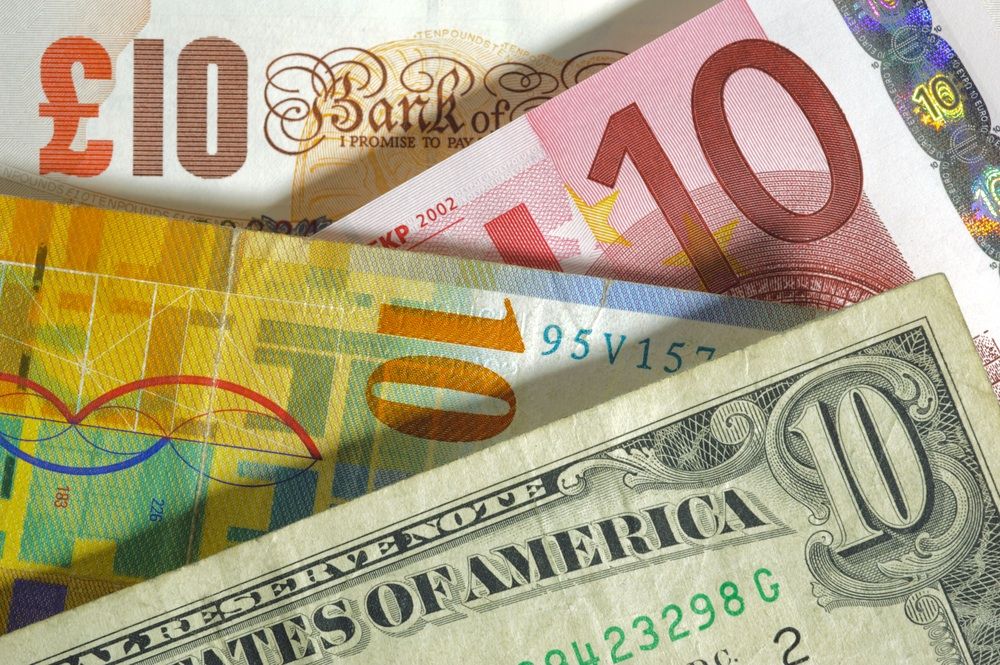
The Egyptian pound strengthened on the black market, hovering around LE15.2 to LE15.6 to the dollar on Sunday, after hitting a historic low of around LE16 to the dollar last week, a market source told Mada Masr.
The rebound follows a week in which the pound wasn't devalued to the extent that was anticipated, and after the government announced the receipt of a Saudi Arabian deposit in Egypt’s Central Bank.
The non-deliverable forward rate (a short-term contract in a thinly traded foreign currency against a freely traded currency, where the profit or loss is calculated based on the difference between the agreed upon exchange rate and the spot rate at the time) declined to LE11.2 per dollar on Thursday, according to the Wall Street Journal-owned chart newsletter, The Daily Shot.
Rumors of an imminent floatation of the currency and the halting of Saudi oil money stimulated black market transactions in Egypt last week, leading to a temporarily overestimated exchange rate, analysts told Mada Masr on Sunday.
"Normally speculators take advantage of any rumors to raise prices to levels that do not reflect supply and demand. Hence, the exchange rate is expected to fluctuate in the short-term," Hany Farahat, senior economist at Cairo-based CI Capital, told Mada Masr.
Speculators boosted demand for the dollar to make capital gains after rumors the pound would be devalued, but after two weeks passed without a substantial devaluation, it became clear the dollar had been overvalued on the black market, Omar al-Shenety, senior economist at Cairo-based Multiples, told Mada Masr.
Egypt’s Central Bank announced last week it had received a US$2 billion deposit from Saudi Arabia, calming market jitters about the lack of hard currency.
“The importance of receiving the $2 billion deposit from Saudi Arabia is that it inches Egypt closer to fulfilling the conditions for collecting $6 billion ahead of the IMF deal,” Farahat said.
Egypt is currently seeking a $12 billion loan from the International Monetary Fund, for which reform measures are widely expected to be taken.
A sudden halt of oil money to Egypt by Saudi Arabia’s Aramco also fuelled rumors of potential political strife between the two Arab countries, further contributing to last week’s overestimated dollar value.
Egypt has been facing a currency crisis since the uprising in 2011 discouraged foreign investors and tourists, two of the country’s main sources of hard currency.
Foreign currency reserves reached $19.59 billion in September, down from $36 billion in 2010.
Last week a number of professional associations announced an initiative to boycott the black market until the end of the month in an attempt to pressure for better prices, a move seen by Farahat as one of the reasons for the rebound of the pound on Sunday.

أخبار ذات صلة
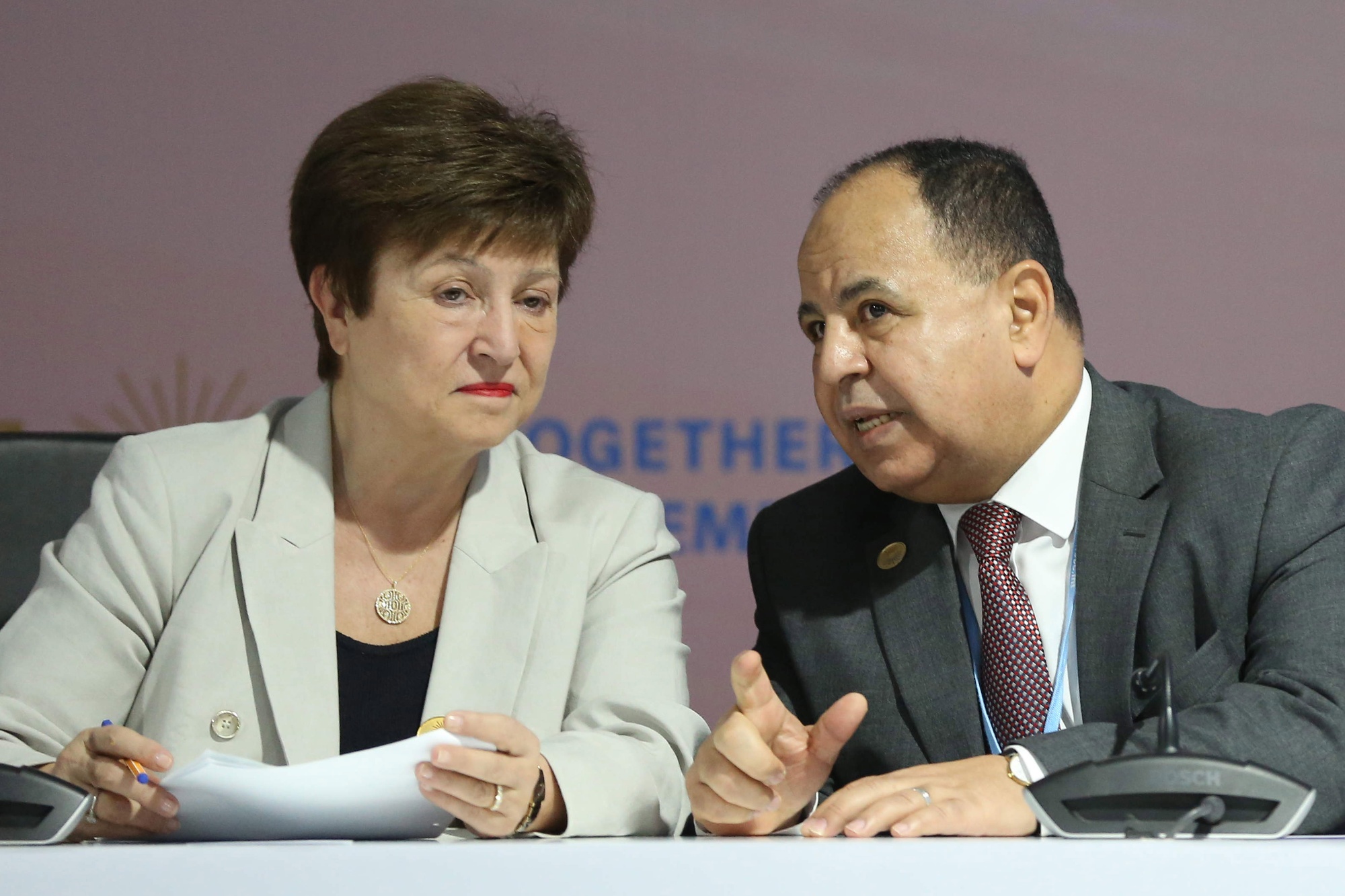
Egypt awaits US$ 1.2 bn payout after passing IMF’s 4th loan review
The International Monetary Fund (IMF) announced on Tuesday that Egypt passed its fourth review as part of its ongoing US$8 billion loan…
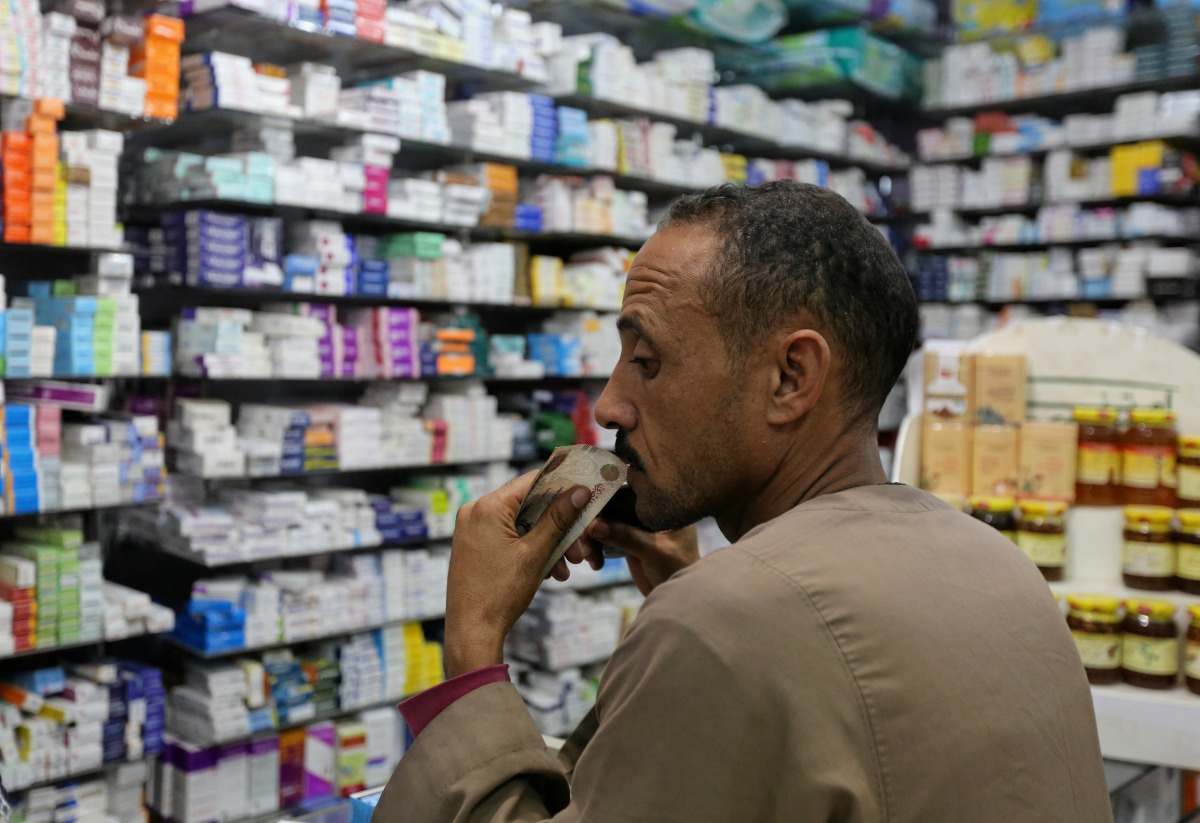
Drug prices set to increase
The EDA approved price increases after increased requests from pharmaceutical companies
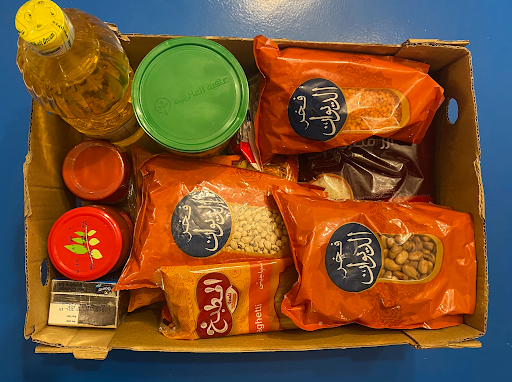
Generosity knocked out of the box: How economic crisis has shrunk Ramadan food donations
Every year, millions of donated food boxes, known as "Ramadan cartons," are distributed across Egypt throughout the month, circulated from individuals to small charitable organizations to large entities, including government…
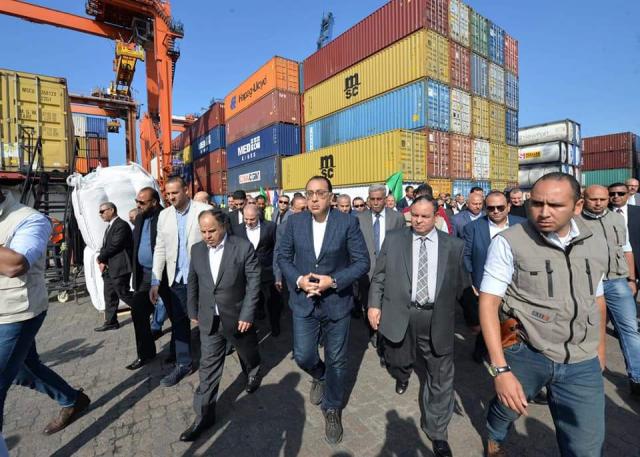
Importers: Late fees on shipments stuck in customs are too expensive for us to collect goods
Around US$2.5 billion worth of imported goods were still stuck in the ports on Wednesday, a government official told the press, weeks…
Your support is the only way to ensure independent, progressive journalism survives.
You have a right to access accurate information, be stimulated by innovative and nuanced reporting, and be moved by compelling storytelling. Subscribe now to become part of the growing community of members who help us maintain our editorial independence.
Join us