
Egypt’s media regulator monitors Ramadan TV, journalist Ibrahim Eissa

Egypt’s Supreme Media Regulatory Council announced a number of measures for monitoring Egyptian media, filing a complaint against journalist Ibrahim Eissa and monitoring the content of Ramadan television series.
Head of the council, Makram Mohamed Ahmed, sent a letter on Wednesday to the Journalists Syndicate, raising concerns over six articles on matters pertaining to Coptic Christians published in the privately owned Al-Maqal newspaper, run by Eissa.
Ahmed claimed the articles “incite strife between Muslims and Christians and confirm to Copts that the state is unable to protect them."
Around the same time, Al-Maqal also published a recording of an alleged Islamic State member threatening Coptic Christians, which Ahmed says should not have been circulated. He also criticized the paper for insulting the state and Al-Azhar.
He requested that the syndicate take immediate action against Eissa and that the matter be referred to the syndicate’s disciplinary committees.
Syndicate board member Mahmoud Kamel, however, told Mada Masr Ahmed’s complaint is redundant, as the syndicate cannot deal with matters that are already being investigated by the authorities.
“It would have been better for Ahmed, given that he is a former head of the syndicate, to have respected the protocol for filing complaints about media content with the syndicate not the prosecution,” Kamel said.
Earlier this year, Eissa terminated his daily talk show, “Ma’a Ibrahim Eissa” (With Ibrahim Eissa), broadcast on the privately owned channel Al-Qahera wal Nas. Though previously known for being a staunch state ally, Eissa has openly criticized the Egyptian government, parliament and President Abdel Fattah al-Sisi in recent months.
Egypt’s Supreme Media Regulatory Council is also monitoring the content of Ramadan television shows, with particular concerns over shows containing what members deem to be inappropriate language, such as Al-Herbaya and Ard-Gaw, Ahmed told local media sources.
Official correspondence was sent to a number of channels from the council, demanding the removal of scenes containing material or language “that does not suit the Egyptian people,” according to the regulatory body, which has been given sweeping new powers.
The head of the newly-formed Media Personnel Syndicate Hamdy al-Kounayesy, also said in a statement on Wednesday that the syndicate would monitor the content of television programs, talk shows and ads for the first week of Ramadan through a special committee. The program specifically referred to two entertainment shows, including “Ramez Taht al-Ard” and “Hany Haz El-Gabal,” for broadcasting inappropriate words that “insult social norms.”
Kounayesy told Mada Masr earlier this week that the new regulatory body would take “necessary action” against programs that violate the syndicate’s codes of conduct, despite new bylaws stipulating that the Media Personnel Syndicate would only oversee media activity related to broadcasting and news, not entertainment.

أخبار ذات صلة
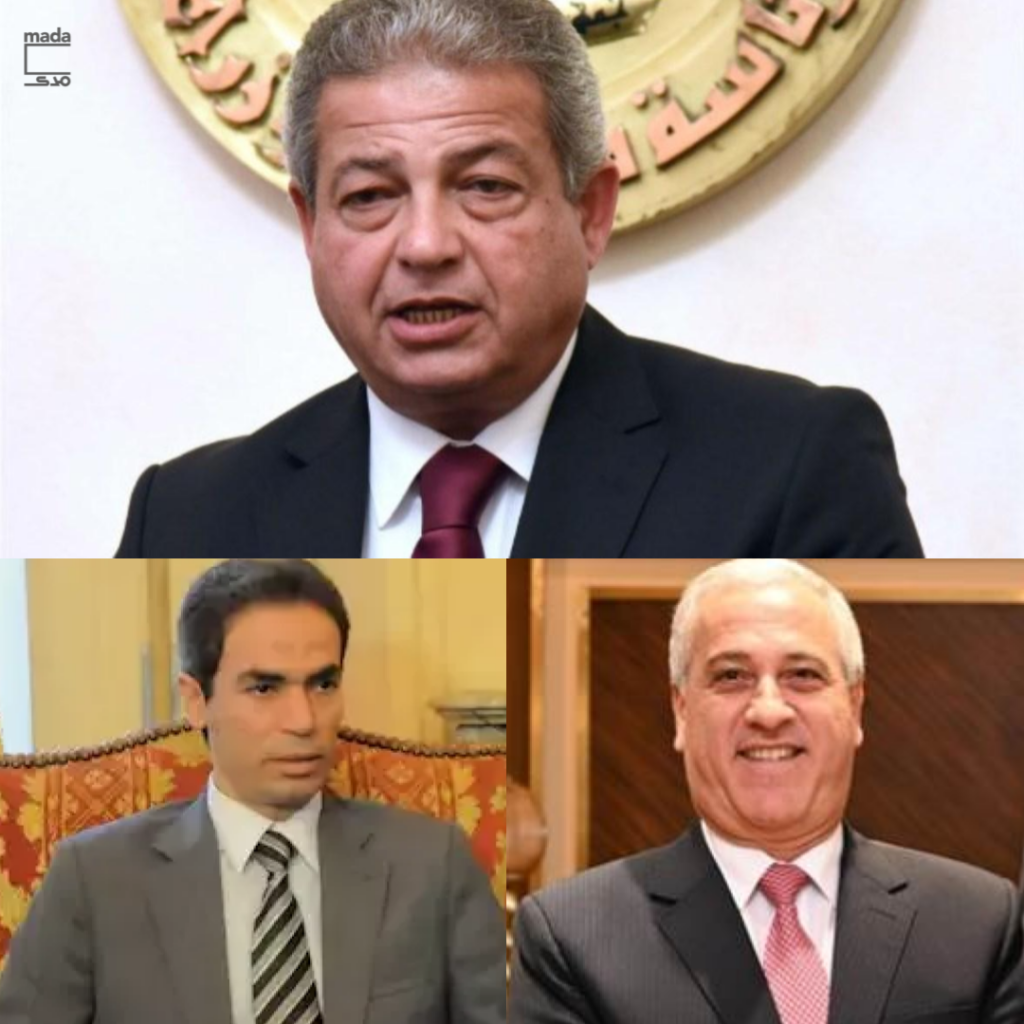
New faces appointed to head Egypt’s media regulatory agencies
A new cast of media and judicial figures was appointed on Monday to the three bodies that monitor and regulate Egypt’s print…
Court blocks appeal in Mada Masr’s battle for legal recognition
The administrative court refused the lawsuit earlier this year.

Saheeh Masr under investigation for exposing electoral media censorship
Saheeh Masr, an independent fact-checking outlet, is to be subject to immediate investigation by the state media watchdog, which has accused it…
On 6th anniversary of block of Mada’s website, State Council rejects lawsuit challenging license denial
Mada Masr intends to appeal the ruling before the Supreme Administrative Court
Your support is the only way to ensure independent, progressive journalism survives.
You have a right to access accurate information, be stimulated by innovative and nuanced reporting, and be moved by compelling storytelling. Subscribe now to become part of the growing community of members who help us maintain our editorial independence.
Join us