
Egypt’s current account slides to US$1.4 bln deficit
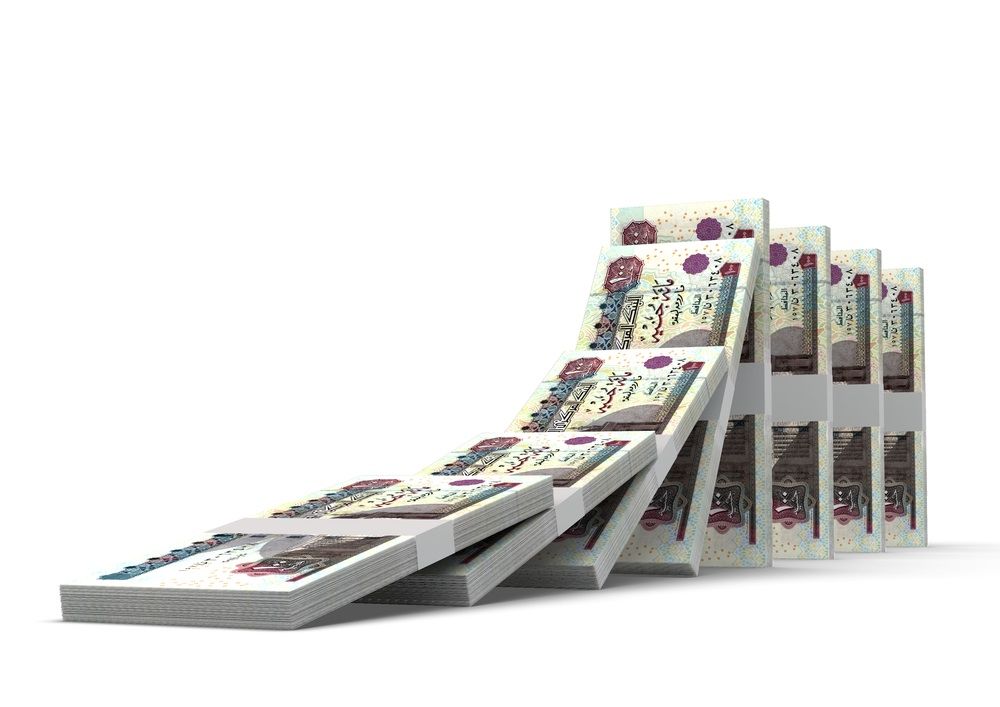
Egypt’s current account registered a deficit of US$1.4 billion from July to September 2014, compared to a surplus of US$609.6 million during the same period last year.
The overall balance of payments surplus retreated to US$410 million, compared to US$3.7 billion in the same months last year, according to the Central Bank of Egypt (CBE).
The CBE attributed the deficit in the current account — which marks the flow of goods, services and cash transfers in and out of the country — to the country’s rising trade deficit. During the last quarter, Egypt imported around US$9.7 billion more than it exported, fueled by a rise in merchandise imports.
Egypt was also hit hard by a drop in cash and commodities transfers from foreign governments, which only reached around US$1.5 billion as compared to US$8.4 billion in the same quarter last year.
On the plus side, service receipts are on the rise thanks to a recovering tourist industry. Tourism more than doubled last quarter to reach US$2.1 billion, compared to US$931.1 million in July-September 2013.
The country’s capital and financial account, which tracks investment and debt, saw a decline in net inflows to US$811.4 million, compared to US$4.6 billion last year.
Foreign direct investment picked up, with a net inflow of around US$1.8 billion, up from US$745.4 million in the same quarter of 2013, with both oil sector and greenfield investments posting improved results.
However, this was not enough to outweigh reduced inflow to the CBE and reduced foreign investments in bonds and the Egyptian Exchange.

أخبار ذات صلة
Draft budget: 65% of total expenditure allocated for debt service, LE3.5 trillion in new borrowing
Egypt’s new draft budget, which Mada Masr reviewed, dedicates over 65 percent of total government spending in the coming fiscal year to…
5 highlights from the new budget: More debt, low social spending, huge increase on export support
Some MPs voted against the budget due to high borrowing costs and low social spending

Source: Saudi company submits lowball offer for state-owned Heliopolis Housing directly to minister
The government's $2 billion financing target looms in under four weeks.
House passes 2022/23 state budget amid critique of earmarks for debt servicing, lavish allowances, megaprojects
The government's financial statement reveals a massive and historic deficit
Your support is the only way to ensure independent, progressive journalism survives.
You have a right to access accurate information, be stimulated by innovative and nuanced reporting, and be moved by compelling storytelling. Subscribe now to become part of the growing community of members who help us maintain our editorial independence.
Join us