
Egypt to get 350,000 tons of wheat from Europe, Russia in 1st successful tender for months
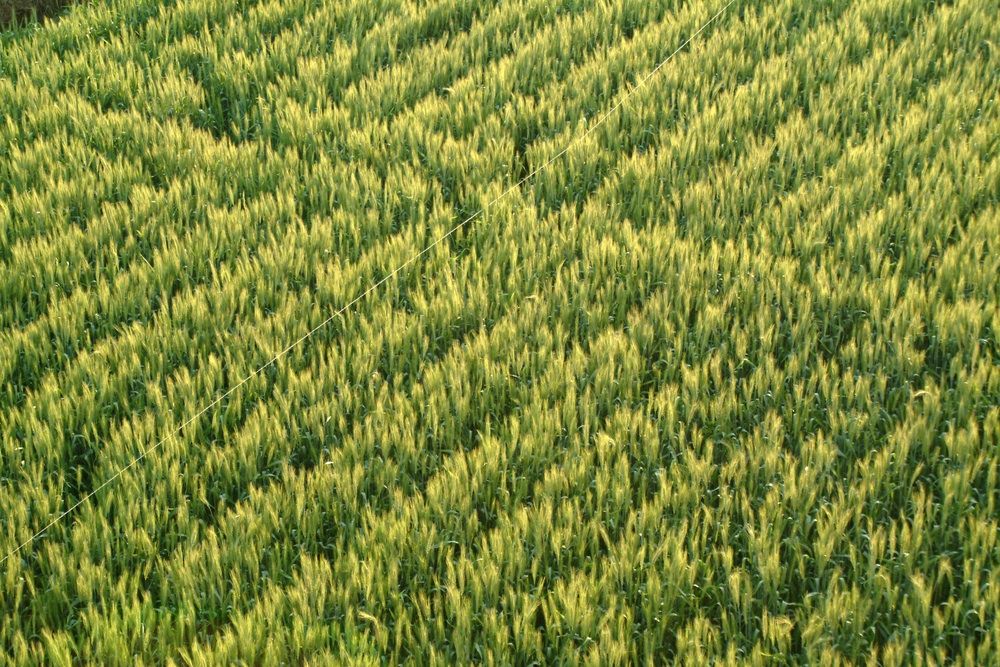
Egypt sealed deals to purchase 350,000 tons of wheat, the majority of which will come from Europe, following a tender launched on Monday by the General Authority for Supply Commodities, the Supply Ministry agency responsible for importing the wheat that supplies bakeries across the country with flour as part of the subsidy system.
This is Egypt’s first international tender since February, when it canceled two offers as wheat prices spiked as the global wheat market was disrupted by Russia’s invasion of Ukraine, temporarily eliminating the prospect of wheat being shipped out of two of the world’s largest exporters.
The prime minister said in March that Egypt would not be buying wheat from abroad for the rest of the year, though the supply minister said later in the same month that Egypt would resume imports at harvest time, which begins in April.
The move to purchase wheat in April is likely driven by a depleting strategic stockpile, grain importer Hisham Suleiman told Mada Masr. The Cabinet recently announced that strategic wheat stockpiles are sufficient for around 2.5 months.
The largest share of Egypt’s wheat purchases on Wednesday — 240,000 tons — is to come from France for US$118.62 million, while 50,000 tons will come from Bulgaria for $24 million and 60,000 tons from Russia for $27.6 million, informed sources told Mada Masr.
The wheat shipments are scheduled to be shipped in late May for arrival before June 15.
Monday’s tender did not specify the amount of wheat that Egypt was looking to buy. According to grain importer Hisham Suleiman, the omission is likely due to a fear of price volatility that is expected to come with the news that Egypt is returning to the global market.
Egypt’s position as the largest importer of wheat in the world means that its tenders hold the potential of altering prices around the world.
The new purchases from Europe come at the same time as supply commodities authority seeks to secure new foreign sources of wheat. An Egyptian agriculture, food and trade delegation paid a visit to India last week “to ensure that the Indian wheat conforms to the Egyptian conditions.”
According to Suleiman, a similar committee refused to buy wheat from India two years ago, citing objections to its quality. However, the government likely reconsidered Indian wheat because it is relatively cheap compared to global prices, he added.
Besides returning to imports, the government has been announcing measures over the past months to increase control over local wheat crops.
Last week, the commodities authority issued controls for the local wheat supply season, which began in early April, and is scheduled to end in mid-August, as part of the ministry of supply’s directive to “collect as much wheat as possible.”
The Supply Ministry issued a decision in March to ban all wheat exports, and to oblige farmers to hand to the government at least “12 ardebs of production for each feddan of land,” or approximately 60 percent of the average output per feddan. Yet, multiple industry sources who have spoken to Mada Masr since March have questioned the government’s capacity to procure the targeted quantities of wheat in the face of rising global prices.

أخبار ذات صلة
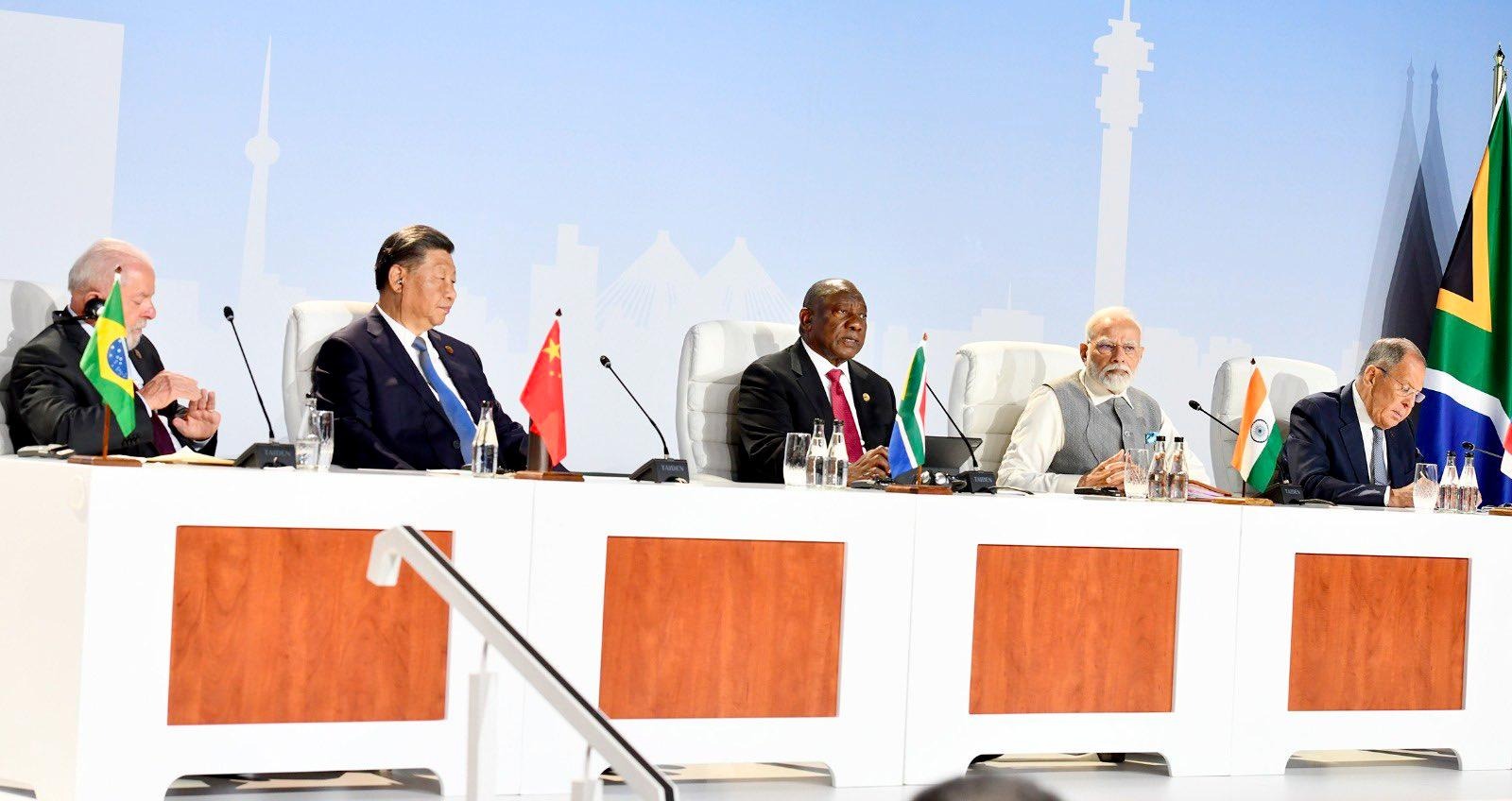
As BRICS extends Egypt invitation to join economic bloc, what does Cairo stand to gain?
Iran, Saudi Arabia, Argentina, Ethiopia and the UAE were also invited to join
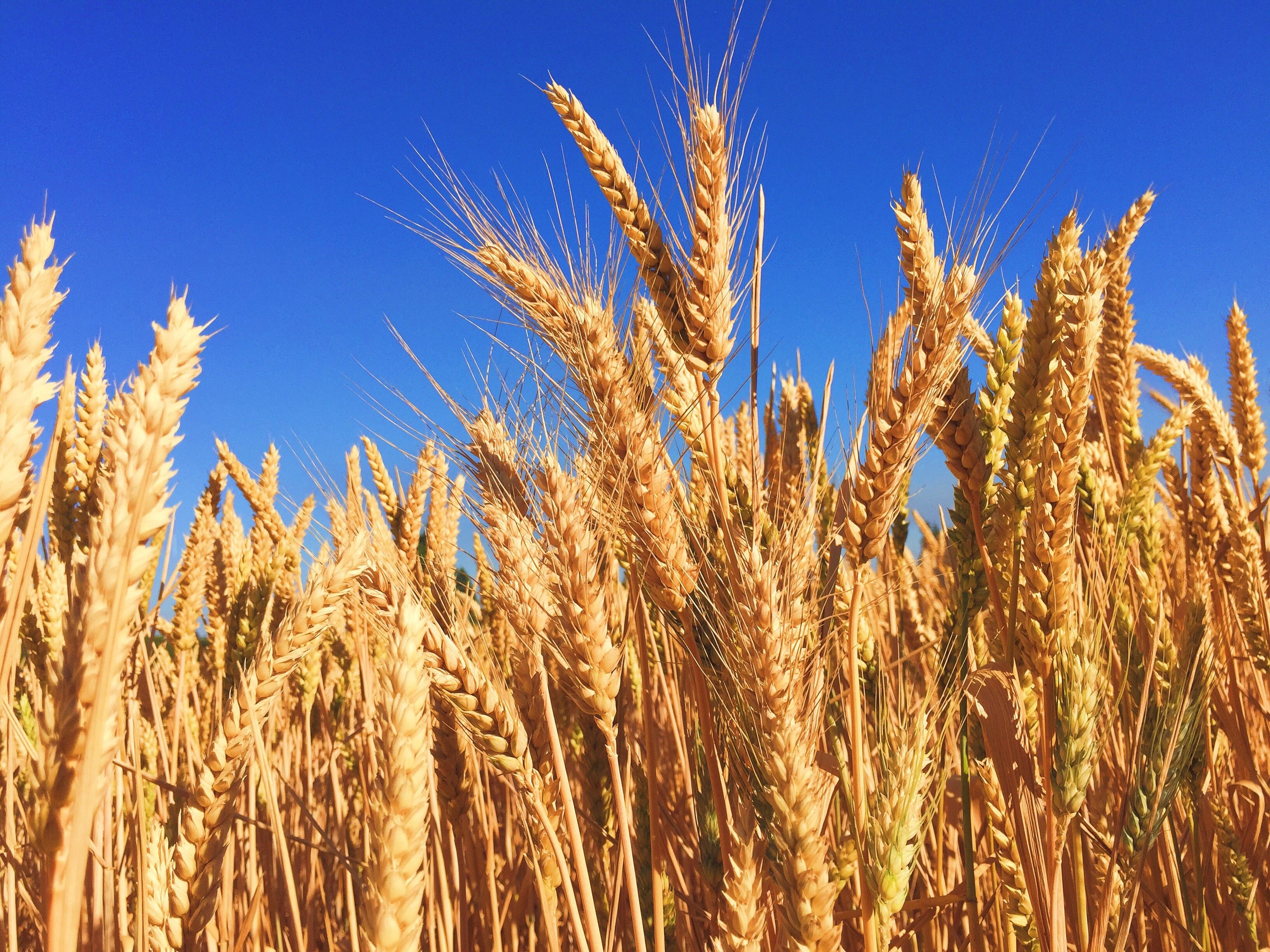
Egypt officially withdraws from UN global grain agreement
The move is to preserve scarce foreign currency resources, said the supply minister

Devaluation drama and hot money’s return: What happened with the pound’s historic plummet?
'As long as there is more demand than supply, the price of the pound will continue to decrease.'
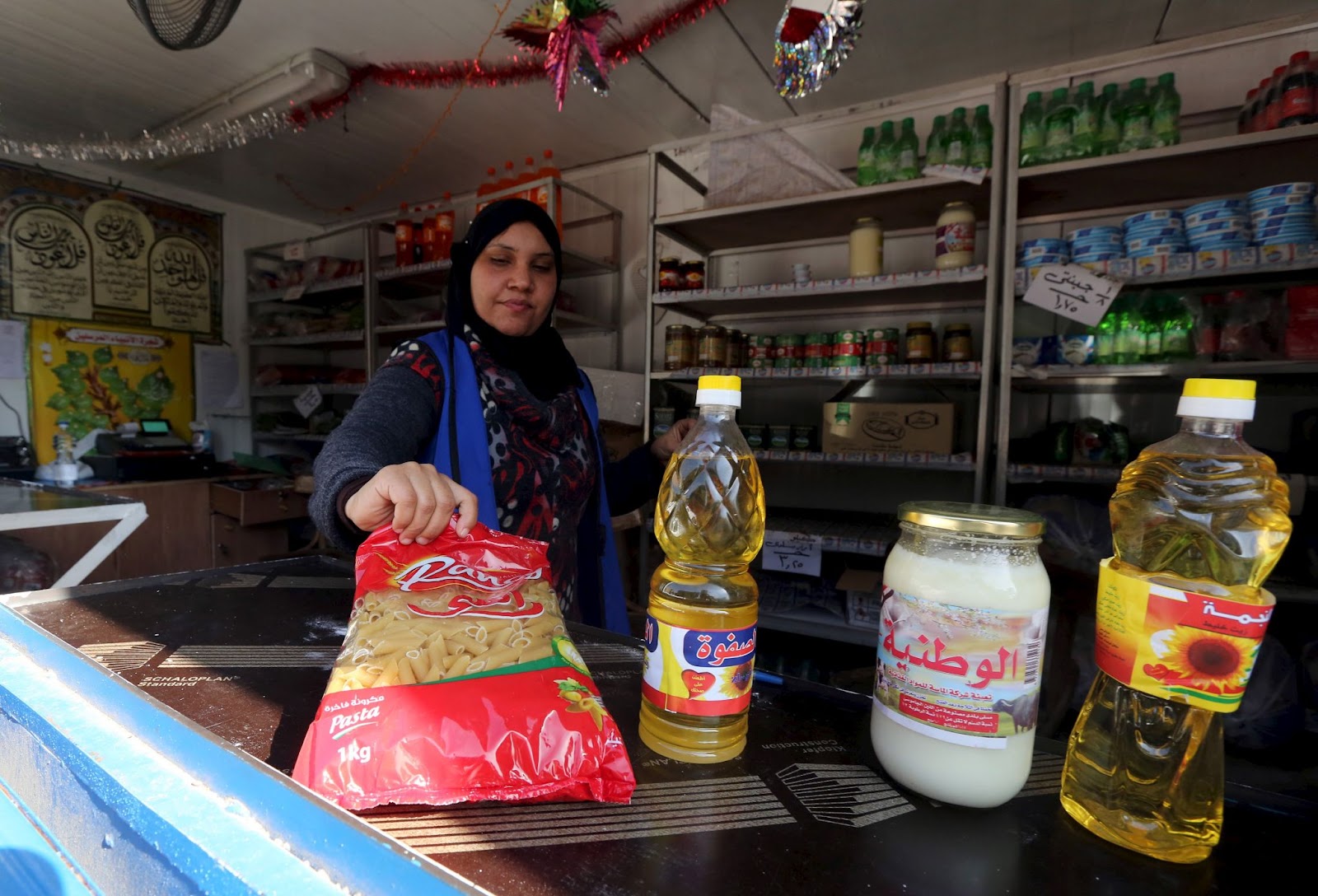
As households face soaring inflation, govt opens rare window for new sign-ups to food subsidy system
A series of shocks to the economy has compelled the state to launch successive emergency programs
Your support is the only way to ensure independent, progressive journalism survives.
You have a right to access accurate information, be stimulated by innovative and nuanced reporting, and be moved by compelling storytelling. Subscribe now to become part of the growing community of members who help us maintain our editorial independence.
Join us