
Egypt closes western border, considers training Libyan troops
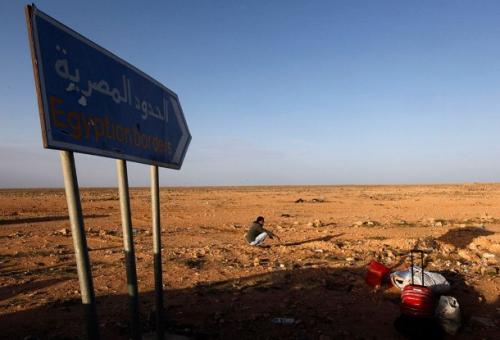
Egypt closed its northwestern border with Libya on Wednesday for Eid al-Adha; reports suggest the government is considering training Libyan troops to fight Islamist militants and decrease the flow of weapons over the border.
“Egypt offers military training to Libya, cites Islamic State threat,” Reuters reported Wednesday, quoting unnamed intelligence sources. Although not officially verified by Egyptian authorities, the news portal claimed the Egyptian state is considering “intelligence and training” for Libyan government troops in their fight against Islamist militias. However, the source reportedly added Egypt would not supply arms.
Armed militants have seized control of the capital, Tripoli, along with large swathes of territory in the western part of the country.
Since the armed uprising of February 17, 2011, which led to the overthrow of Libya’s long-time leader Muammar al-Qaddafi, officials in Cairo have expressed concern over the flow of weapons into the country.
They claim that radical Islamist groups, such as Ansar Beit al-Maqdes and Ajnad Misr, have been receiving arms smuggled in from Libya and have used them to target security forces in the Sinai Peninsula, mainland Egypt, and, on occasion, mount cross-border attacks on Israel.
In his address to the United Nations’ 69th General Assembly on September 24, Egyptian President Abdel Fattah al-Sisi called for a three-point plan to confront “terrorism in Libya.”
They included: Supporting elected officials and representatives of the Libyan populace, an end to arms smuggling across Libya’s borders, and no negotiation with terrorists or extremists.
Egyptian security officials have claimed that links exist between the Islamic State and armed Islamist groups operating in both Libya and Egypt.
Closure of border
The privately owned news outlets Al-Masry Al-Youm and Masrawy, amongst others, reported that Egypt’s north-western border with Libya — the Salloum Land Port — was closed on Wednesday, and would remain closed for the next seven days for the Eid al-Adha holiday.
Quoting the police chief of the Matrouh Governorate, Anany Hammouda, Al-Masry Al-Youm reported that the border would remain closed to vehicles until October 7.
Around 150 Egyptian truck drivers have been detained in Libya, the newspaper added. It is not clear, however, which forces are detaining them and if this is related to Egypt’s intervention in Libyan politics.
Meanwhile, the state-owned Middle East News Agency reported on Wednesday that another Egyptian expatriate worker was killed in crossfire between rival Libyan forces.
An increasing number of Egyptian expatriates in Libya have been kidnapped, arrested or killed over the past few months. Some analysts have suggested that the violence is also associated with Sisi’s intervention in Libyan affairs.
In late August, US media outlets reported that Egypt and the United Arab Emirates were jointly involved in air-strikes against Libya’s Islamist militants. Authorities in Cairo have denied these allegations, but some US sources maintain that the UAE’s fighter jets utilized Egyptian airstrips to bomb Islamist targets in Libya.
The only statement concerning Libya issued on Wednesday by the Egyptian Ministry of Foreign Affairs stated that Cairo “welcomes dialog among Libyans.”
The statement praised mediation efforts among Libyan factions, which are being held in the town of Ghadames. It read, “Egypt supports this dialog and the framework for ending violence. It supports efforts towards state-building and the forming of constitutional institutions.”

أخبار ذات صلة

Sudan Nashra: PM Kamel Idris yet to form govt, pledges nonpartisan cabinet | RSF launches major assault on Babanusa, West Kordofan | RSF expands near border triangle | Military airstrikes on Nyala continue
A month after his appointment, Prime Minister Kamel Idris, whose selection drew regional and international support and expression of hope that he…
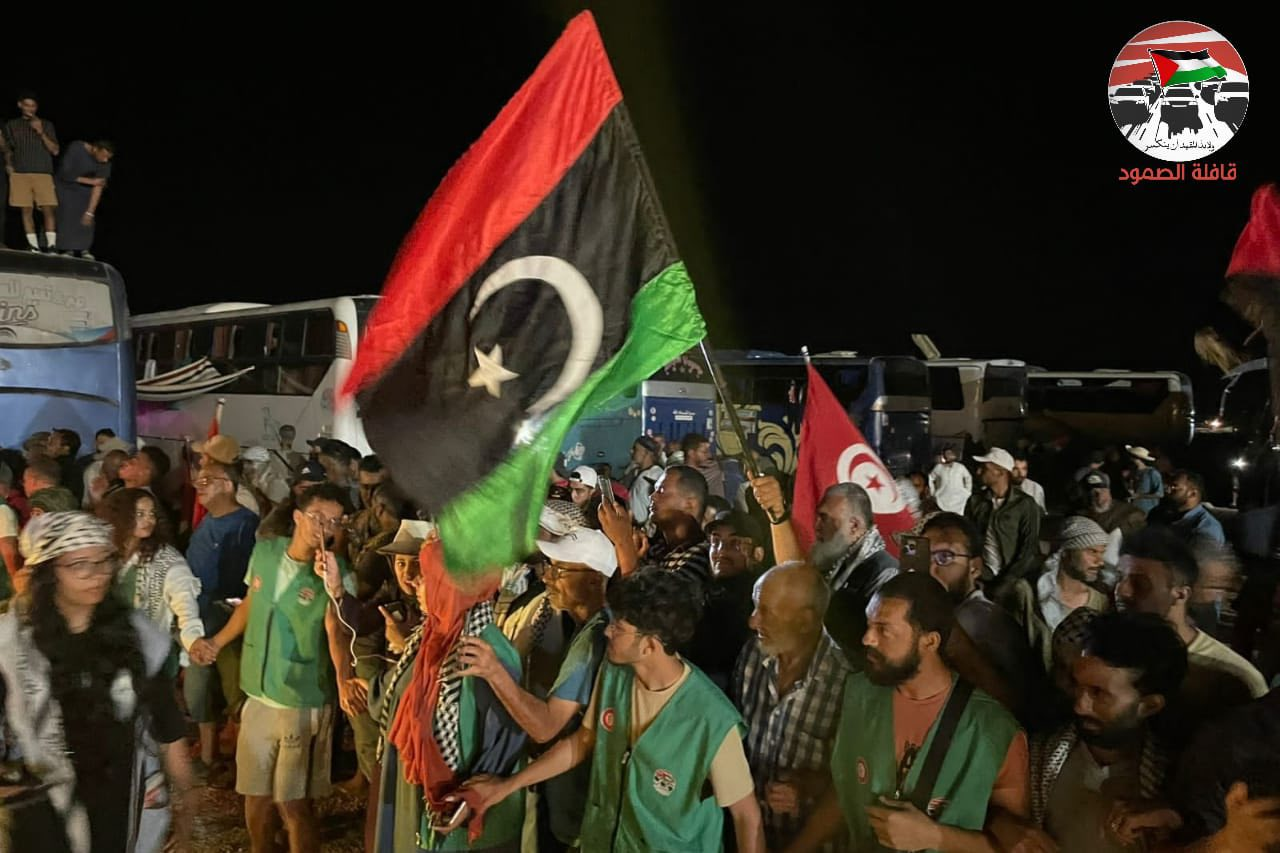
Sumud caravan to Gaza suspends operations after Cairo, LNA block movement
Egypt, the eastern Libyan government official told Mada Masr, was keen to avoid potential embarrassm
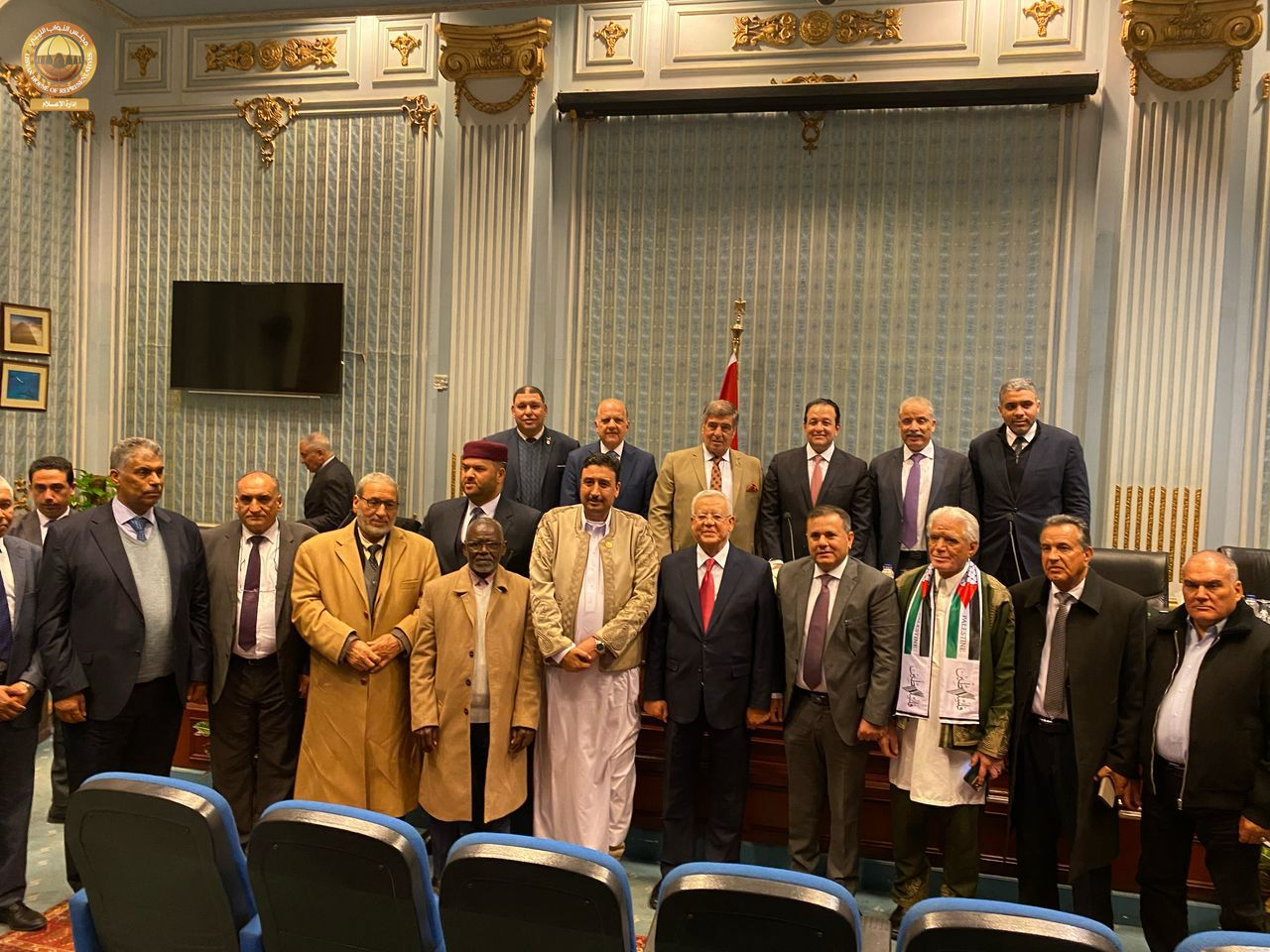
Analysts: Egypt aids obstructionist efforts of Libyan legislatures to stall UN-led political process
The political process to determine Libya’s future should be the “exclusive ownership” of Libyan official institutions, members of the country’s two legislative bodies declared Tuesday at the conclusion of two…
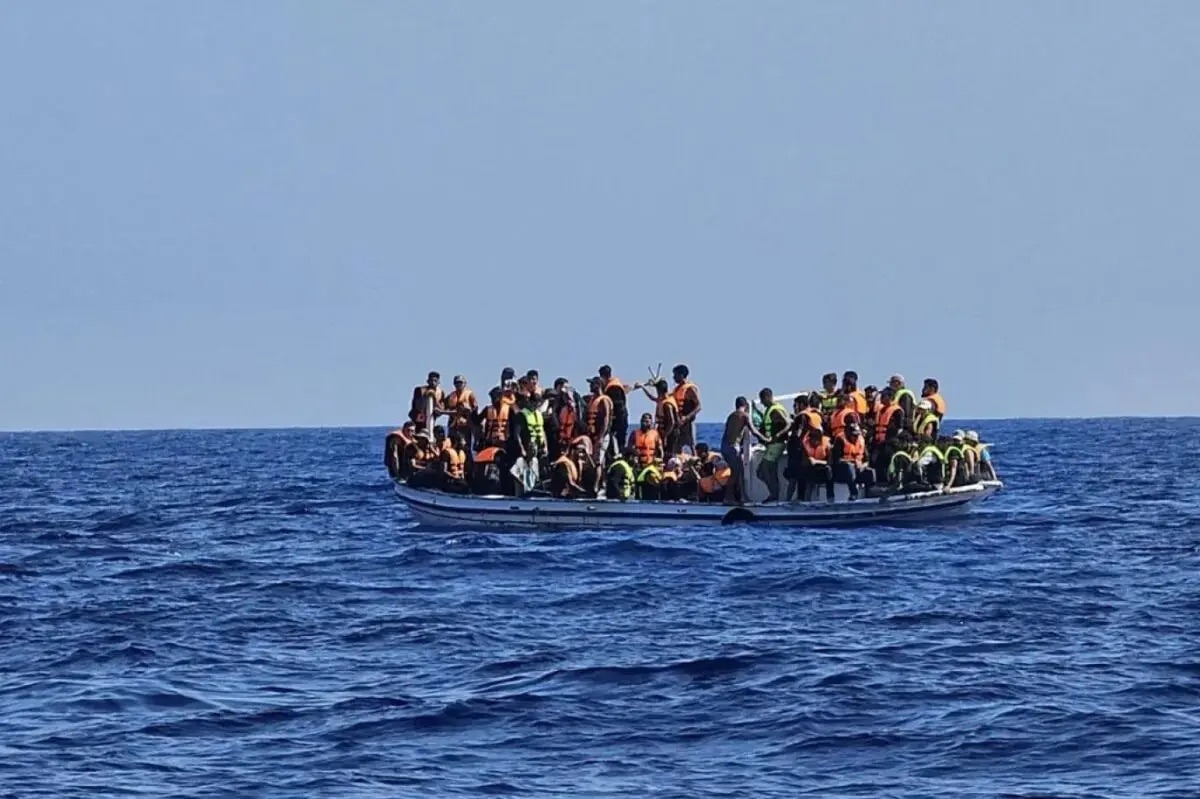
12 Egyptians missing after boat carrying undocumented migrants capsizes off Libyan coast
A boat carrying 13 passengers capsized at sea on Monday evening nearly 60 kilometers from Tobruk, a city on Libya’s eastern Mediterranean…
Your support is the only way to ensure independent, progressive journalism survives.
You have a right to access accurate information, be stimulated by innovative and nuanced reporting, and be moved by compelling storytelling. Subscribe now to become part of the growing community of members who help us maintain our editorial independence.
Join us