

Natural gas produced at Egypt’s largest field, Zohr, continued to decline over the course of 2023, according to reporting by the Middle East Economic Survey (MEES).
Egypt’s main sources of gas are its own maritime and inland fields, while the country also imports a volume of natural gas from Israel each year. The supply is essential not only for domestic energy consumption but also for Egypt’s export balance, with liquid natural gas exports bringing in important foreign currency resources for the treasury.
Domestic output is set to continue falling. Production at Zohr dropped by 14 percent in the past year alone, bringing the total decrease over the past two years to 26 percent, according to MEES.
The report cited a source at the Petroleum Ministry predicting a further 14 percent decline during the current year.
Zohr reached its peak production levels in 2021 at 2.74 billion cubic feet per day but dropped to 2.1 billion cubic feet per day in December 2023.
The Petroleum Ministry anticipates a further decline to 1.8 billion by the end of the current year. However, the MEES report projects an even steeper decrease to 1.6 assuming a consistent rate of decline.
Consecutive declines have impacted Egypt's total natural gas production, which hit its lowest levels in six years by the end of 2023.
In December, total national output stood at 5.2 billion cubic feet per day, the same as national output levels before the discovery of the Zohr megafield.
Amid a growing deficit in supply of the energy resource which powers homes and factories across Egypt compared to domestic demand, the government implemented a program of home power cuts to reduce demand last year.
Natural gas supply also took an additional hit in the early weeks following Hamas’ October 7 Aqsa Flood operation, when Israeli gas supplies from the Tamar field were halted by the Israeli Energy Ministry’s decision to stop production at the field citing security threats to gas production facilities.
The decrease had an immediate impact on home power outages, which lengthened to two hours. Cabinet Spokesperson Sameh al-Kheshen pointed to “imports being reduced to zero” at the time. Power cuts shortened again after Israel resumed production at Tamar and exports to Egypt.
But the supply shortfall had an impact on Egypt’s exports as well. Gas exports decreased in 2023 by over 75 percent compared to 2022, according to the latest data from the Central Agency for Public Mobilization and Statistics.
Over the same period, Egypt’s imports of Israeli gas saw a 17 percent increase.
The dependence on gas inflows from Israel is set to continue going forward. A meeting took place last year between the Egyptian General Intelligence Chief Abbas Kamel and the Israeli National Security Council head Tzachi Hanegbi, in which the Egyptian delegation pressured Tel Aviv to consent to the increase, as reported by the Israeli website Globes. In July, the Israeli Energy Ministry began talks to approve increased gas exports to Egypt.
About a month after the meeting, the Israeli Energy Ministry approved the proposal to boost gas supplies to Egypt, as reported by Reuters, quoting the Israeli energy minister describing the decision as a means to enhance state revenues and strengthen relations with Egypt.
Cairo and Tel Aviv have agreed to increase Egyptian imports of Israeli natural gas by around four billion cubic meters annually for 11 years starting July 1 of next year, tripling the amount Egypt currently receives from Israel each year according to the Times of Israel.
Egypt's commitment to increase its imports of Israeli gas was followed by an increased investment commitment from the partners in Israel’s Tamar field to boost production capacity by about 60 percent over two years at a cost exceeding US$600 million.
A high-ranking official in the Egyptian energy sector, speaking to Mada Masr on condition of anonymity, described the agreement as giving Egypt stronger leverage over Israel. They pointed to Israel relying on Egypt’s infrastructure of pipelines and liquefaction stations for exporting and profiting from its gas reserves.
A former adviser at the Petroleum Ministry, speaking to Mada Masr on condition of anonymity, noted that the dependency runs two ways, however. While Egypt serves as the sole gateway for Israeli gas, the country’s increasing domestic demand means it is in need of a stable supply of gas.
Economist Wael Gamal, meanwhile, flagged that Israel’s power to cut off supplies could result in a real electricity supply crisis, with all its implications, noting that equivalent Egyptian political pressure would lead only to a temporary halt in Israeli gas exports.
أخبار ذات صلة

Israel finally approves Egypt’s gas deal after nail-biting battle
In an unexpected move, Israeli Prime Minister Benjamin Netanyahu announced on Wednesday Israel’s final approval of a controversial gas export deal with Egypt, months after Israeli hesitation following the initial…
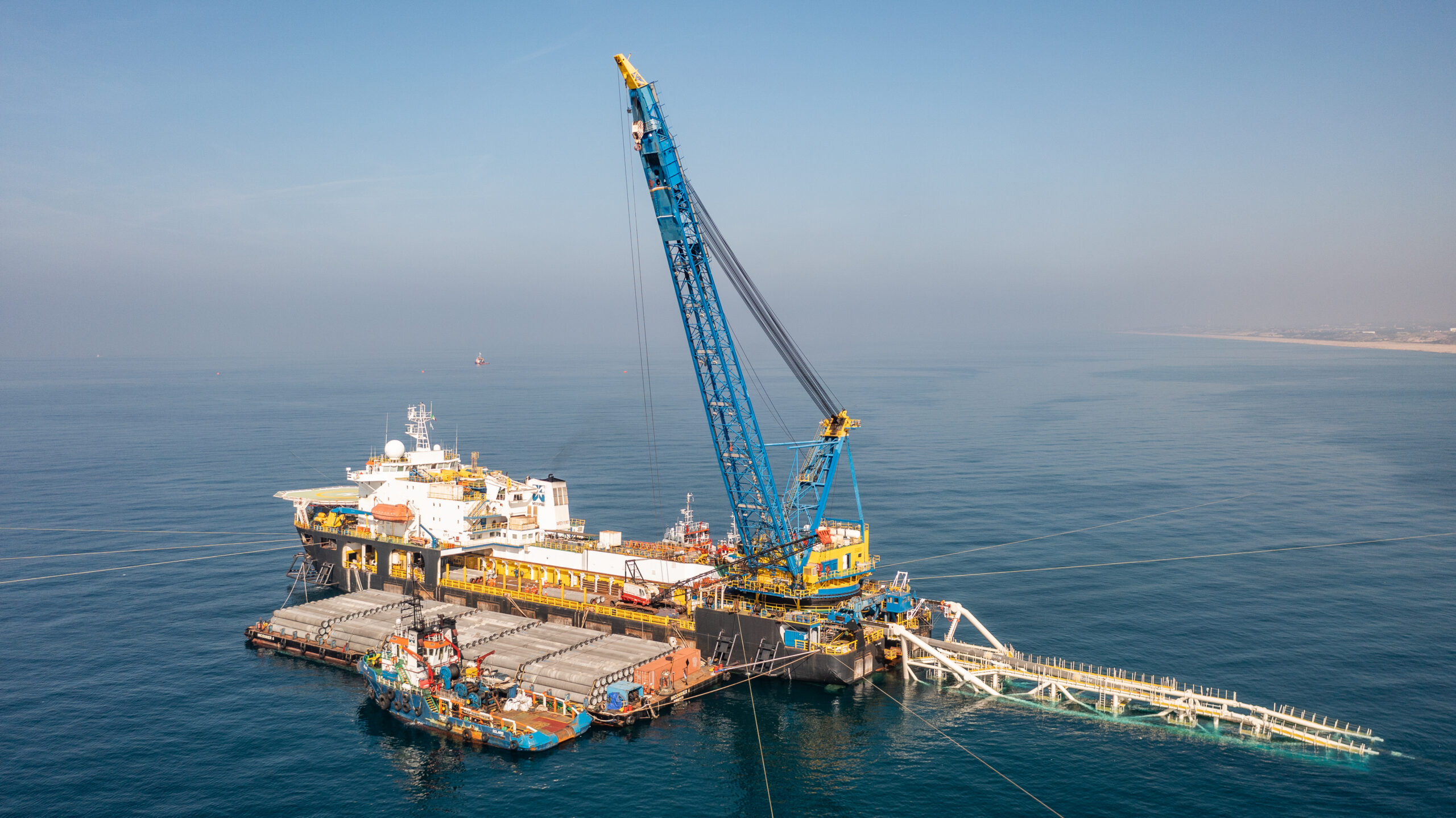
Egypt doubles down on Israeli natural gas imports in US$35 bn deal with 14% price increase
A US$35 billion gas deal announced on Thursday will see Egypt redouble its energy dependence on Israeli fields as an expansion of…
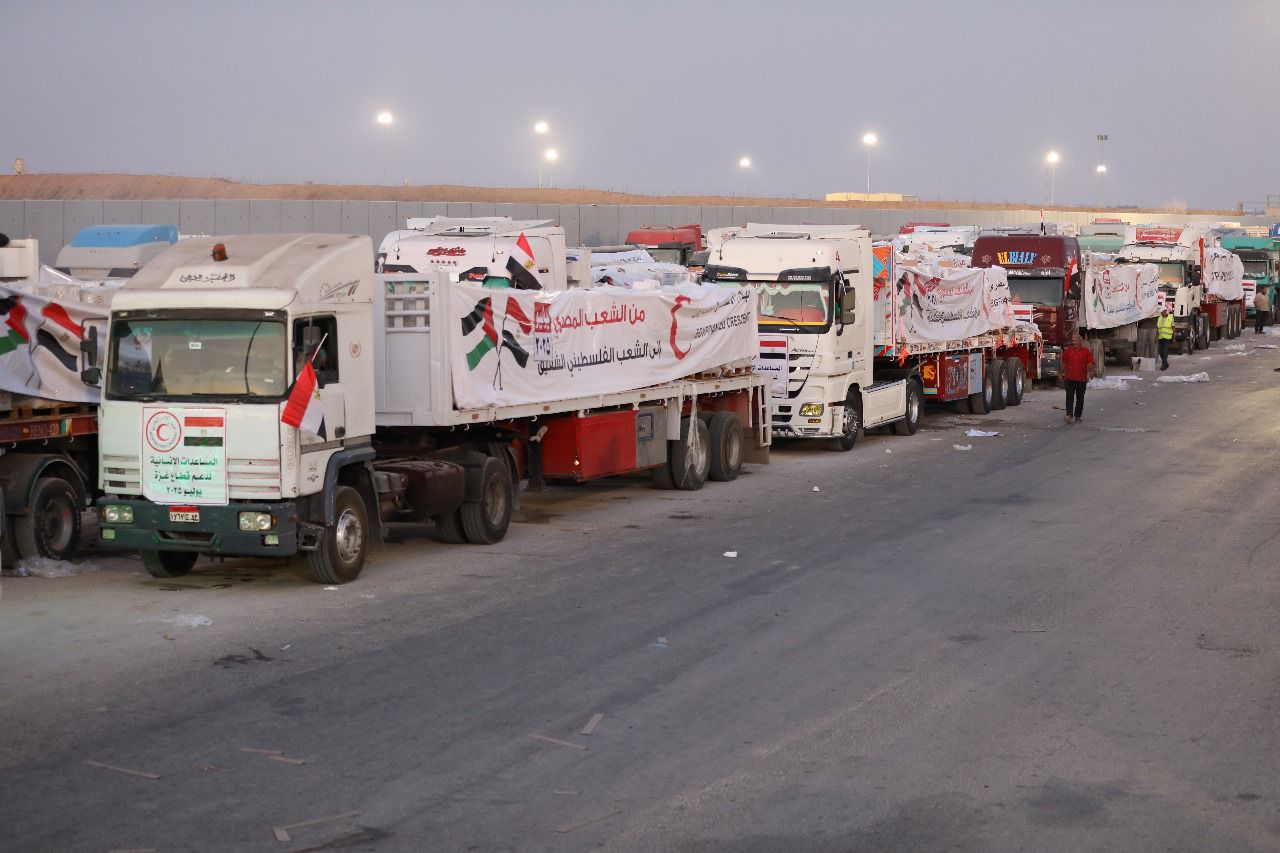
Just 150 aid trucks depart to Gaza from Egypt as Israel announces ‘tactical suspension of military activities’
The window for the small aid delivery from Egypt opened after Israel announced a limited pause to fi

Source: Al-Azhar grand imam withdrew call to save Gaza at foreign minister’s request
According to Al-Azhar, the decision to withdraw, which it called brave and responsible, came so the
Your support is the only way to ensure independent, progressive journalism survives.
You have a right to access accurate information, be stimulated by innovative and nuanced reporting, and be moved by compelling storytelling. Subscribe now to become part of the growing community of members who help us maintain our editorial independence.
Join us