
Displaced Palestinians forced to leave Rafah in fear of Israeli invasion

Many displaced individuals in Rafah are preparing to evacuate once again, as talks of an imminent ground invasion of the border city intensify.
Eman Salha, a displaced person in Rafah, said that her husband has already added the family to the list for evacuation from Rafah to temporary camps in the Mawasi area. "There is no safe place from the attacks, but we will head to Mawasi because our situation here is dire," Salha said.
Salha had fled from Gaza City to an UNRWA school in the Tel al-Sultan neighborhood in western Rafah.
Displaced families around Salha have started leaving Rafah, Salha told Mada Masr, heading toward Khan Younis and Zawayda, adjacent to the coast in the southern and central parts of the Gaza Strip. These areas have previously hosted displaced individuals who fled Israeli bombardment and incursions over the past few months.
Several temporary camps for the displaced have been established, offering some services, by local committees and volunteers, with support from Arab relief organizations, including Egyptian and Jordanian institutions, as journalist Tarek Abu Ishak told Mada Masr. One such camp was set up near a mosque in western Khan Younis, Salha said, where her husband's relatives had already relocated days ago.
Journalist Suwar al-Zaanin in the southern Gaza Strip told Mada Masr that the movement of displaced individuals from Rafah to Khan Younis is limited to areas that have not experienced extensive ground incursions.
"Everyone is either leaving or considering leaving. We have [nylon] tarpaulins and wood. The weather is unbearably hot and we won’t bear staying in tents, but some have advised us to evacuate in anticipation of a sudden Israeli incursion," Salha said, stressing the need for many supplies in case her family is forced to depart from the school.
The Israeli military has designated the Mawasi area in Khan Younis, west of the city, a "safe zone" for civilian evacuations since the start of the aggression on October 7. Although the area has not been immune to Israeli airstrikes or the targeting of civilians within its vicinity, the level of destruction is lower compared to the eastern part of the city, where 54 percent of buildings were destroyed just three months after the Israeli military’s incursion into the city, as estimated by the Crisis Group in a recent investigation.
Journalist Karam Abu Hassanein in Deir al-Balah told Mada Masr that the number of tents prepared in the temporary camps does not exceed a capacity of 2,000 families, despite increasing talks about Israeli plans to evacuate residents to temporary camps. Meanwhile, the makeshift tents for the displaced stretch along the coast from western Rafah to the western Nuseirat camp in central Gaza. This area marks the final accessible point before reaching the Israeli barrier known as Netzarim, which separates the northern and southern parts of the strip, built on the lands of the Netzarim settlement, which was vacated in 2005.
Abu Hassanein said that the extent of destruction in Khan Younis is too severe for the city's residents and the displaced population to live with. He stressed the urgent need for infrastructure rehabilitation in light of the Occupation's destruction of roads, sewage services, communications, and water and electricity networks during its incursions over four months across various areas in the eastern, northern and southern parts of the city.
Salha said that the conditions inside the tents in the temporary camps, coupled with the improved chances of receiving food aid and daily care essentials, are motivating factors for their decision to proceed with leaving Rafah. She said that "aid in schools is scarce, bathroom facilities are inadequate and hygiene is poor," alongside concerns around the potential sudden Israeli incursion into what Israel claims to be Hamas’ last stronghold in Gaza.
Salha said that she sold the flour she received through UNRWA to secure cash for purchasing essential items, including clothes, personal hygiene products and a cloth curtain to hang inside the nylon tent frames to help reduce heat during the scorching summer weather. She added, “There’s no electricity for baking, so we have to go to the [communal electricity-powered] taboon oven and reserve our turn, because the electric generator at the school can be down for 10 days, and then we rush to bake bread, and charge mobile phones and Jalal’s [her husband] e-cigarette.”
On Saturday, Israel’s Foreign Minister Israel Katz, said that a prospective ceasefire deal with a successful hostage exchange might postpone a Rafah invasion but added that this move should not come in the way of Israel eliminating Hamas as a military and governing force in the strip.

أخبار ذات صلة
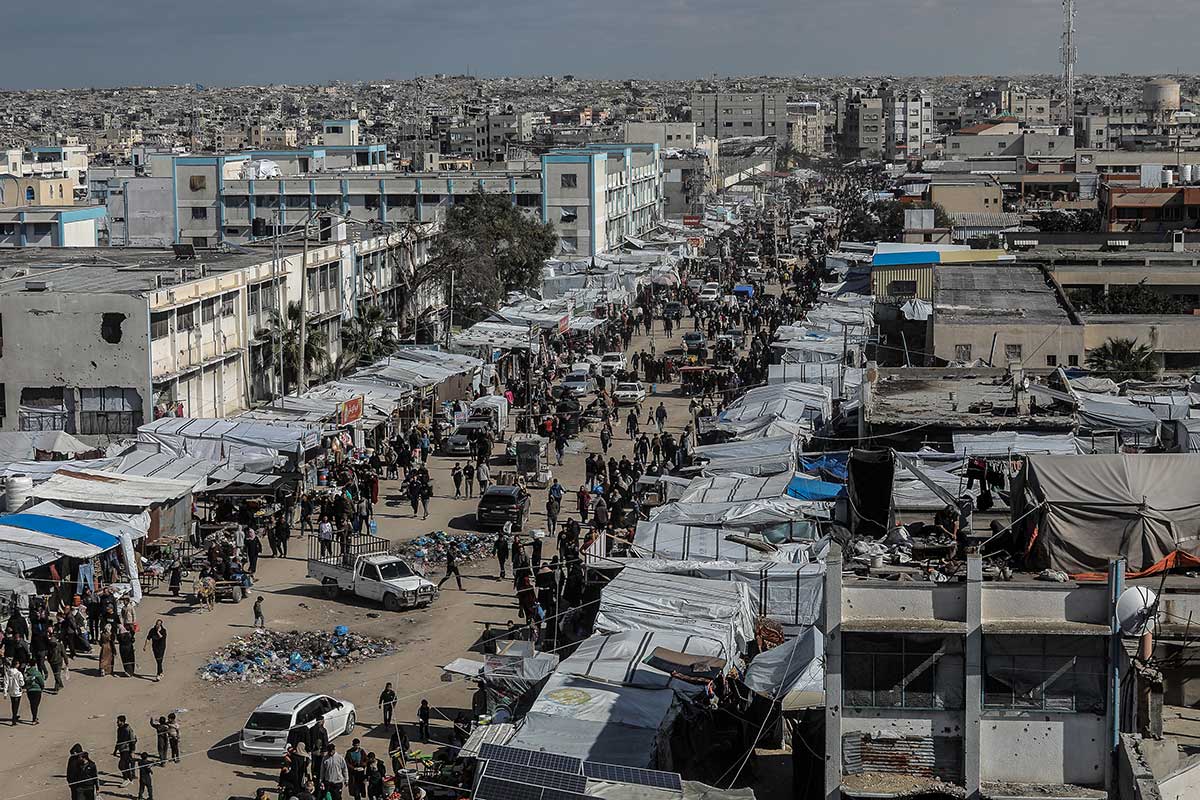
Prices surge in Gaza redoubling food insecurity after Israel shuts borders citing attack on Iran
For the first week of Ramadan, Reem al-Masdar was cooking vegetables, salad and bread to prepare iftar and sohour meals for her…
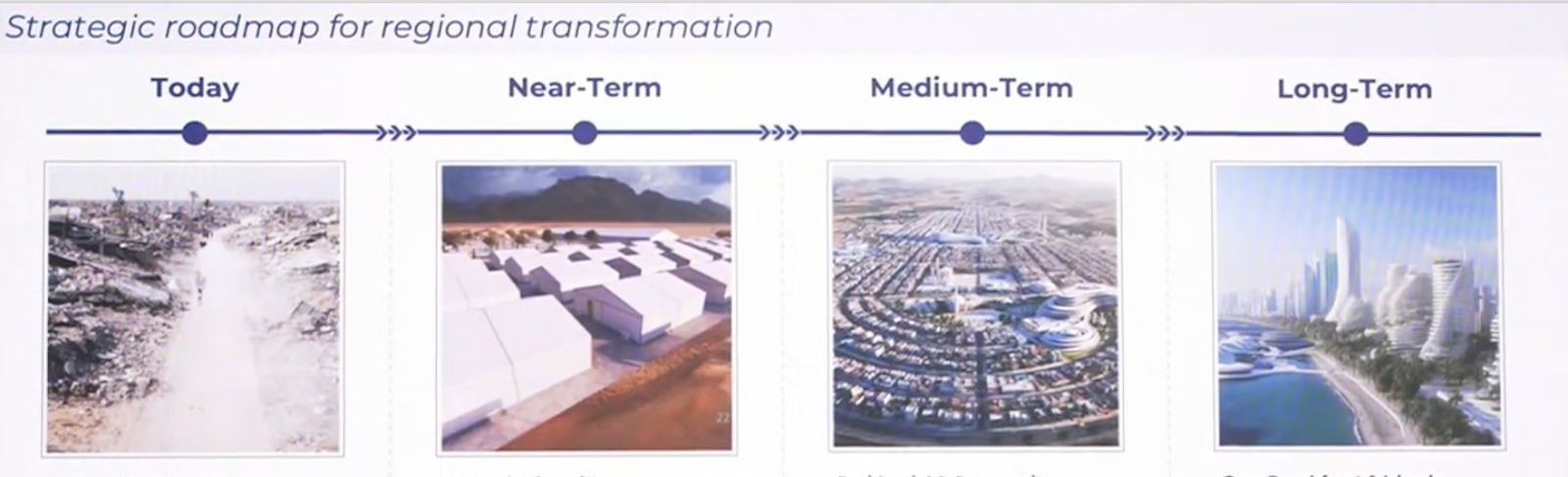
Gaza, the Board of Peace and the active cancellation of the past
The future By the time we get to the speech of Cypriot-Israeli real estate businessman and billionaire Yakir Gabay at the Board…
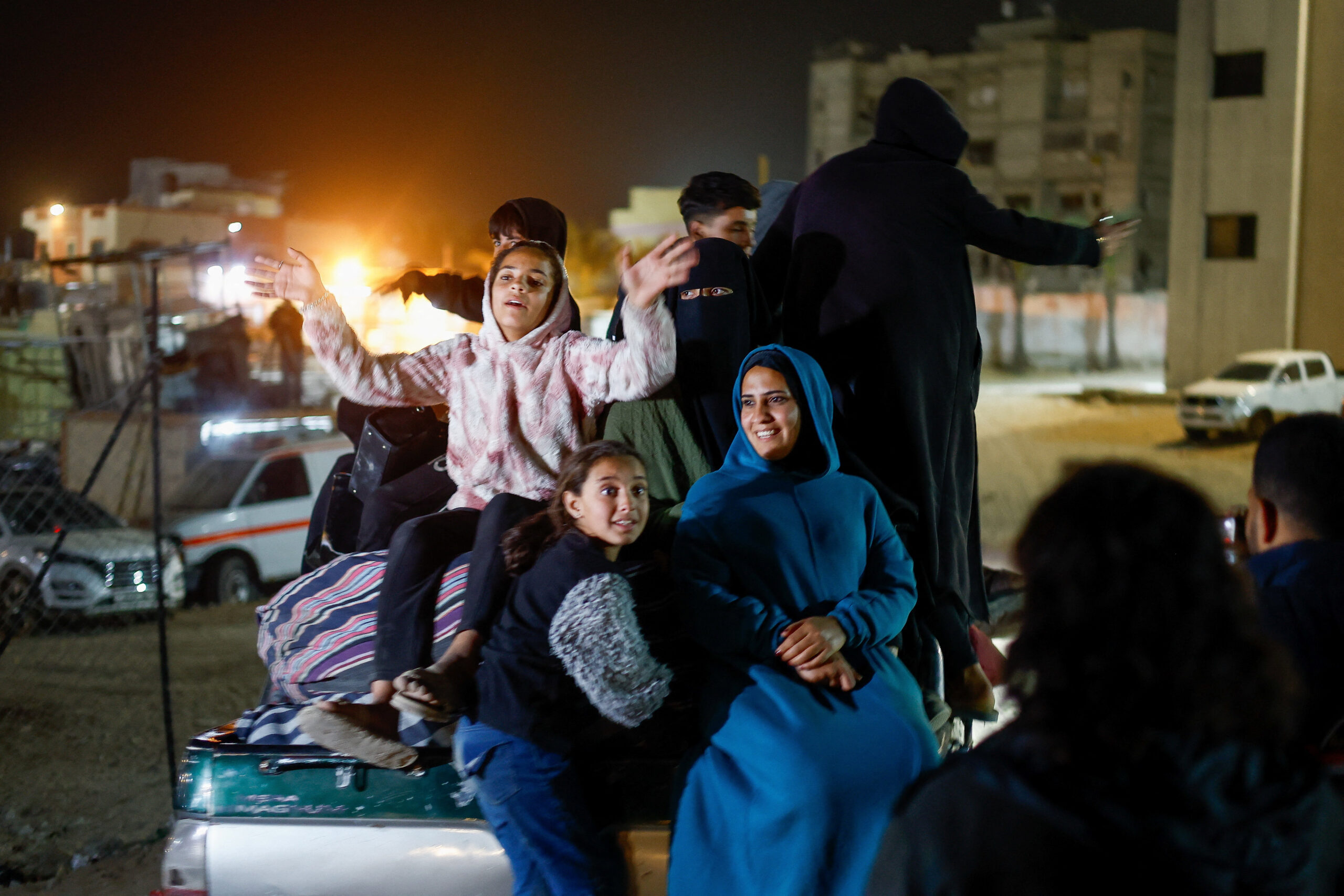
Only 12 Palestinians permitted to return to Gaza Strip since Rafah crossing opened
Sabah al-Raqab is one of only 12 Palestinians who have been able to return to the Gaza Strip via the Rafah crossing…

Israel agrees to limited reopening of Rafah border crossing — details pending
Israeli Prime Minister Benjamin Netanyahu’s office announced on Monday that it has agreed to a “limited reopening” of the Rafah border crossing…
Your support is the only way to ensure independent, progressive journalism survives.
You have a right to access accurate information, be stimulated by innovative and nuanced reporting, and be moved by compelling storytelling. Subscribe now to become part of the growing community of members who help us maintain our editorial independence.
Join us