
Despite sharp rebuke of performance, Arab League renews Aboul Gheit’s term as secretary general
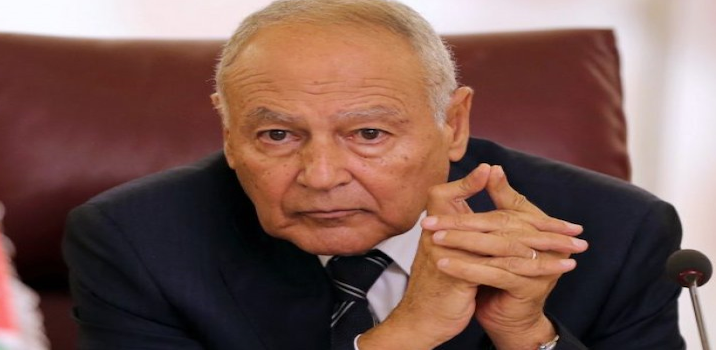
Arab foreign ministers unanimously agreed to renew Arab League Secretary-General Ahmed Aboul Gheit’s five-year term on Wednesday, according to Egypt’s state-run Middle East News Agency.
The Arab League secretary-general customarily serves two terms in office. However, after he was nominated for a second term, Aboul Gheit came under sharp rebuke from Saudi Arabia which distributed a strongly worded letter criticizing his leadership to delegates at the league last week.
Sources with knowledge of affairs in the Arab League told Mada Masr that the letter — in which Saudi Arabia says it is considering making its contribution to the general budget contingent on a number of administrative and financial reforms — also represents a general criticism of Egypt, where the organization is based and which has long held control of the general secretary position.
Saudi Arabia letter concerning Arab League
In the letter, Saudi Arabia criticized Aboul Gheit for failing to adhere to a decision to reform and develop the General Secretariat of the Arab League, and for not appointing a deputy as required during his five year term in office. Saudi Arabia said it is considering reducing its contribution to the organization if certain reforms are not implemented, including a reduction to the secretary general’s salary and a revision of the non-permanent employment policy.
A source in the general secretariat told Mada Masr that the letter angered Aboul Gheit and his team as its timing indicated that his nomination for a second term “comes without the support” of member states. The source added that the general secretariat generally seeks to avoid confrontation with member states that make major contributions to the budget and that Aboul Gheit has sought to implement requests from countries like Saudi Arabia, the United Arab Emirates and Kuwait during his term in office.
Nevertheless, diplomatic sources with ties to Egypt and the Arab League affirmed that Aboul Gheit’s nomination has not been welcomed by several member states. According to the sources, Doha was frustrated with Aboul Gheit’s management of the nearly four-year diplomatic crisis and blockade of Qatar by Saudi Arabia, the UAE, Bahrain and Egypt. An aide to the Palestinian Authority President Mahmoud Abbas also told Mada Masr that the PA is critical of the Arab League for not properly managing the decline in Arab support for the Palestinian cause over Aboul Gheit’s term in office.
The criticism in the letter may not be directed toward Aboul Gheit himself but toward Egypt in general, which nominated Aboul Gheit for a second term at the end of January. Several official Egyptian sources, who spoke to Mada Masr on condition of anonymity, said that relations between Cairo, Riyadh and Dubai are currently “lacking in warmth” to varying degrees. Many member states are also critical of the near-total monopoly Egypt has exercised over the top seat at the league since its founding in 1945.
According to another source in the general secretariat, after the second term of Aboul Gheit’s predecessor, Amr Moussa, came to an end there were serious discussions about having the role of the secretary-general rotate between member states, though the plans were disrupted by the social unrest and revolutions throughout the region that began in 2010.
Aboul Gheit, a career diplomat who served as foreign minister for Egypt from 2004 to 2011, began his term as secretary-general in 2016 and was set to end his current term in June.
Egyptian officials who spoke to Mada Masr on condition of anonymity said that Egypt’s decision to renominate Aboul Gheit represented an attempt to avoid rocking the boat by putting forward the name of another Egyptian political figure who might not win consensus from member states.
Aboul Gheit will have to accept prospective budget cuts in his second term and will be pressed to strengthen ties between major member states, according to an official Egyptian source.
The secretary general’s five-year term witnessed a number of major geopolitical shifts in the region, including the normalization of relations between Israel and the UAE, Bahrain, Morocco and Sudan and the diplomatic crisis between Qatar and Saudi Arabia, the United Arab Emirates, Bahrain and Egypt.

أخبار ذات صلة
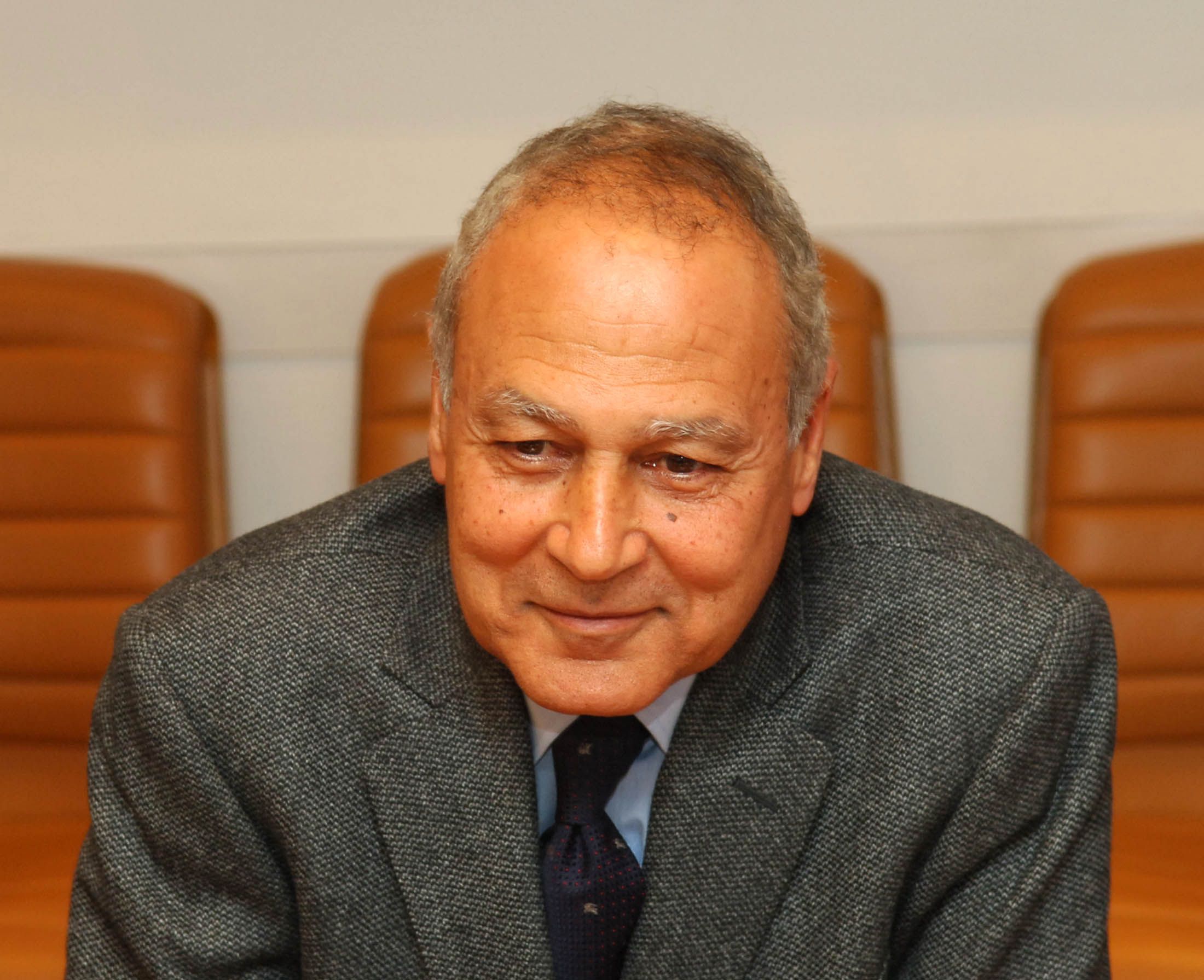
Egypt nominates Mubarak-era foreign minister for Arab League post
As early media reports suggested, Egypt has officially nominated former Foreign Affairs Minister Ahmed Aboul Gheit to succeed Nabil al-Araby as secretary-general…

Sudan Nashra: Idris in Cairo as part of Egyptian-Turkish-Saudi coordination to prop up Sudanese military, Egyptian official says | RSF seizes Musa Hilal stronghold, stoking tribal tensions | RSF attacks North Darfur border town, engages Chadian forces | Hemedti in Uganda as head of parallel govt
Subscribe to our Lens on Sudan newsletter here. A week of heavy clashes in North Darfur has strained the region’s tribal landscape,…
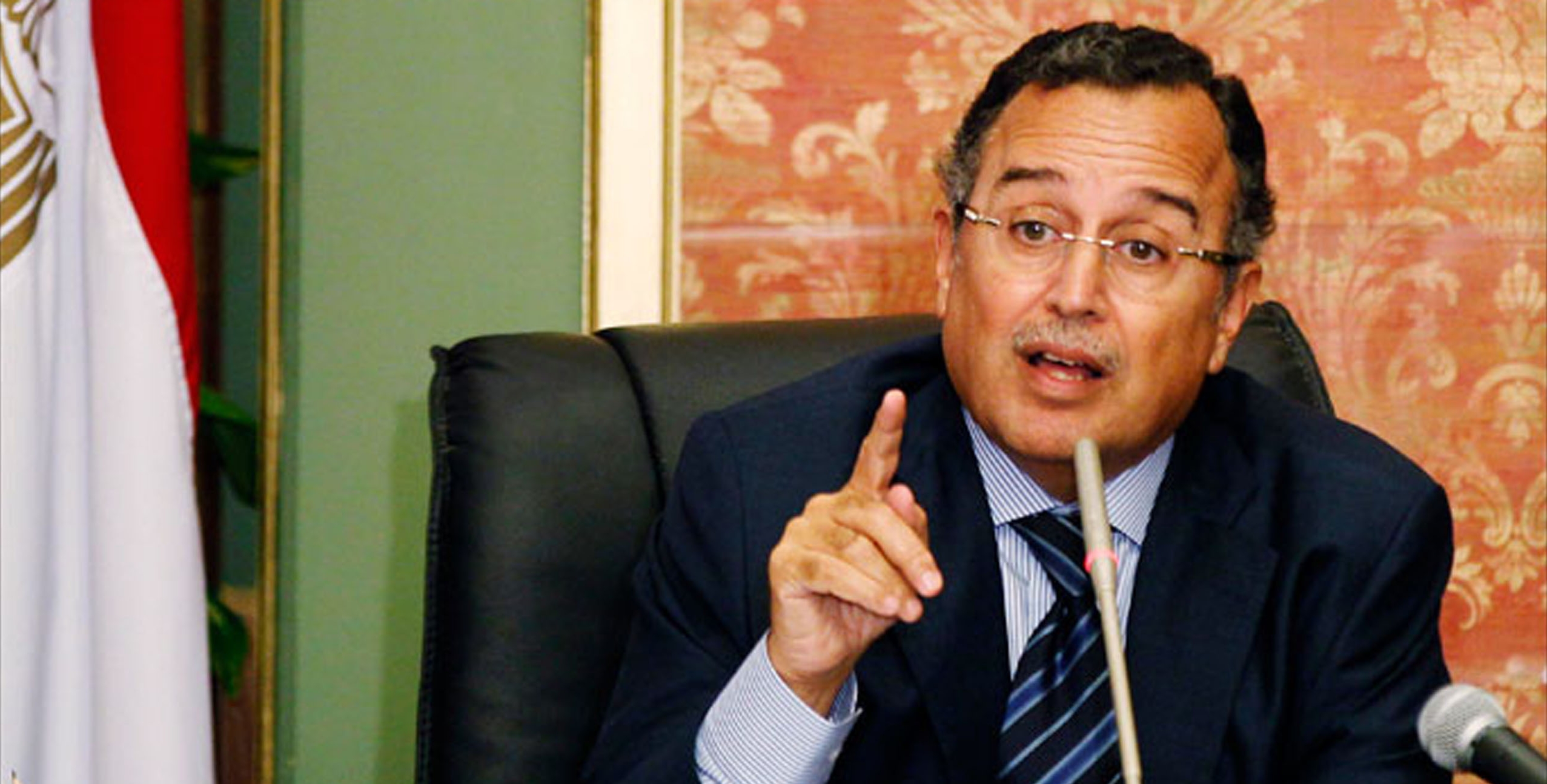
Former Foreign Minister Nabil Fahmy nominated to head Arab League
His nomination was announced by the ministry’s permanent delegation at the Arab League in a letter, obtained by Mada Masr, to the…
Sudan Nashra: Burhan invokes Jeddah Agreement to set new negotiation terms | Over 150 abducted in South Kordofan in RSF-SPLM (Hilu) forced recruitment campaign | RSF launches major attack on Babanusa | Joint opposition forces in South Sudan clash with govt troops
With regional allies now propping up his forces on the battlefield, Sudanese Armed Forces Commander-in-Chief and Transitional Sovereignty Council Chair Abdel Fattah…
Your support is the only way to ensure independent, progressive journalism survives.
You have a right to access accurate information, be stimulated by innovative and nuanced reporting, and be moved by compelling storytelling. Subscribe now to become part of the growing community of members who help us maintain our editorial independence.
Join us