
Decision to reduce flour rations for subsidized bakeries causes confusion
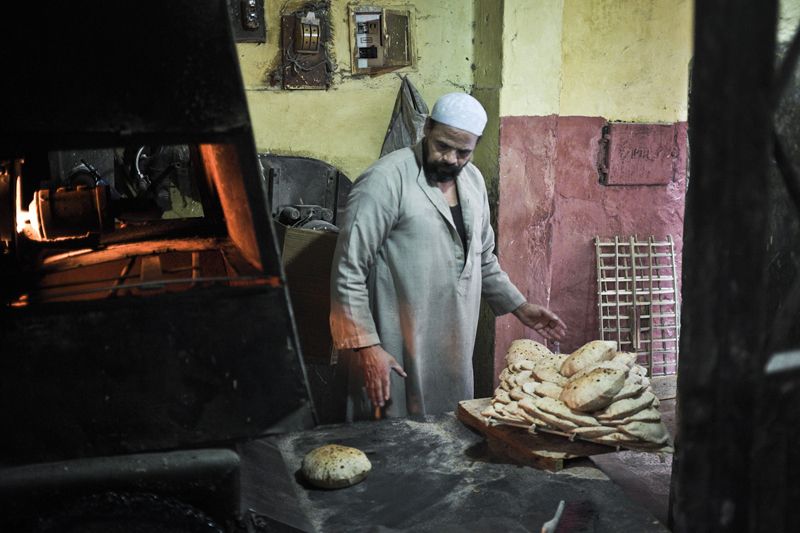
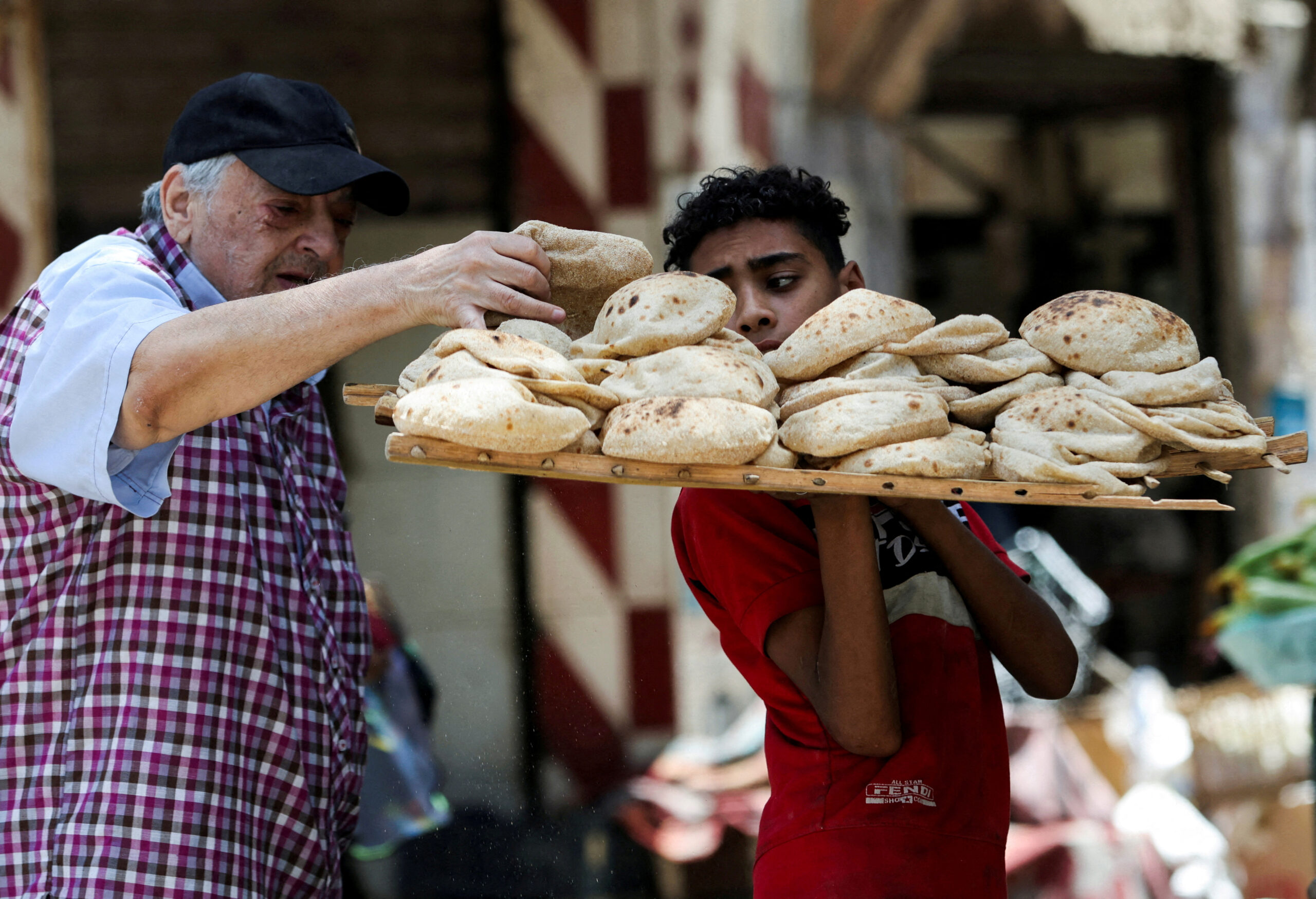
The rollout of a recent government decision to cut the amount of flour it delivers to bakeries to produce subsidized loaves of bread has led to widespread confusion in the sector.
With bakeries’ capacity to produce subsidized loaves affected by the reduction in supply, consumers and beneficiaries of the subsidy program have been unable to purchase their full share, according to bakery owners from across the country who spoke to Mada Masr. Others described a state of uncertainty in the business, as the decision appears to have been implemented inconsistently nationwide.
Industry sources, meanwhile, said that the Supply Ministry’s April 4 decision to implement the 10 percent cut could be intended to preserve the government’s depleting reserves of wheat, as it scrambles to procure more stocks from global markets distressed by Russia’s invasion of Ukraine.
The decision, of which Mada Masr obtained a copy, came two days after the Cabinet announced that Egypt's strategic stockpile of wheat, designated for the bread subsidy system, is sufficient for only around 2.5 months.
It stipulated the deduction of a bag of flour — weighing 50 kilograms —from each bakery that uses ten bags per day, two bags for bakeries that use 15–20 bags, three bags from bakeries using 20–30 bags, and four for those exceeding 30 bags per day.
The ministry said that the decision would be in force until the end of Ramadan, justifying the move by saying that there is normally a drop in demand for bread during the holy month.
Bakery owners who spoke to Mada Masr at the time stressed, however, that this Ramadan had seen an unusual increase in bread consumption and sales, which some said may be a result of high rates of inflation pushing up food prices.
The decision’s implementation caused significant confusion for bakery owners, who were not informed of the move beforehand. In the following days, some owners told Mada Masr that the decision had been canceled in some governorates, or even rolled out inconsistently across different areas in the same governorate.
In some areas where the 10 percent cut-back was withdrawn, bakery owners said that the reversal came after citizens gathered outside the bakeries and complained about the resulting drop in the rations of subsidized bread they were able to buy. This caused confusion among bakery owners, who noted that the withdrawal was not a centralized decision, and that the ration cut still applied to bakeries in other areas.
Other bakery owners said the amount of flour they received had been reduced much more than the 10 percent the ministry had described. Some described technical errors that meant their daily shares of flour have been cut by as much as 20 or 30 percent, further impacting the quantity of subsidized bread that they are able to supply to the public.
Rifai Abdel Aziz, the owner of a subsidized bakery in Assiut, said that the ministry has reduced his share more than once over recent days, adding that the rate of bread production at his bakery is currently insufficient to cover the costs of production, labor and other contingencies.
Khaled Salam, the owner of a bakery in Giza, called for the ministry to announce the decision through the media in order to reduce friction between consumers and bakery owners, who are bearing the brunt of citizens’ anger at the reduction of their bread rations.
The rationale given by the ministry was also contested by figures in the industry. An undersecretary to the Supply Ministry in Alexandria, Mohamed Saadallah, told Mada Masr that this is a routine administrative decision issued every year in Ramadan, as the ministry decision had said.
Yet, two industry figures told Mada Masr that this is untrue. It’s a first-time decision, said the chair of the general bakeries division at the Federation of Egyptian Chambers of Commerce, Abdullah Ghorab, as well as the chair of its Cairo branch, Attia Hammad.
Another source in the bakery division who spoke to Mada Masr on condition of anonymity claimed that the 10 percent cut is one of several measures being taken by the government to maintain Egypt’s strategic stocks of wheat, in light of disruption in global wheat markets due to the ongoing war between Russia and Ukraine, two of the world’s largest wheat exporters.

أخبار ذات صلة
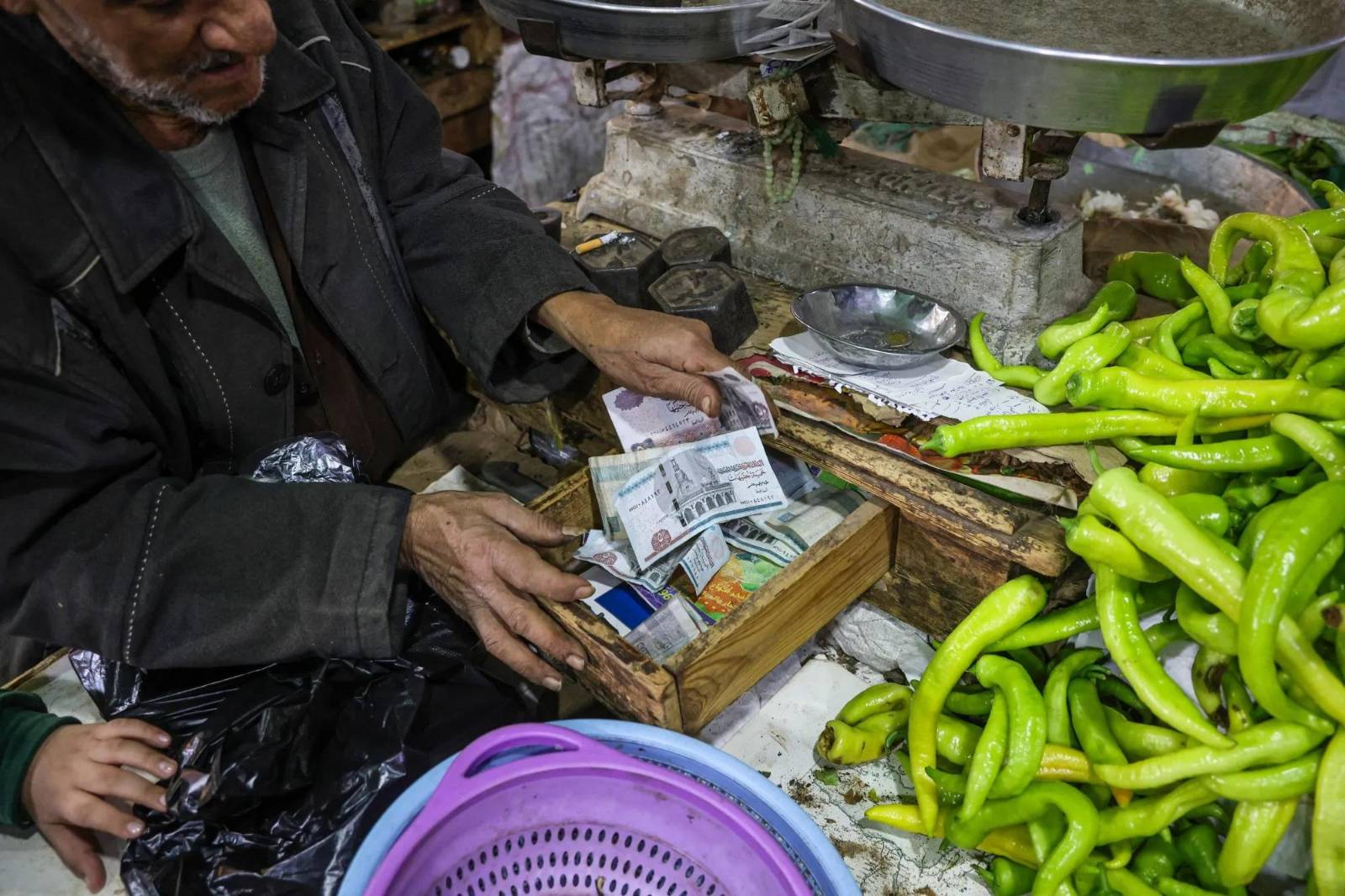
Brandishing the military trial stick: The govt’s price control bluff
Another wave of inflation is crashing in. On March 10, and for the third time in the course of a year, the government raised fuel prices again, justifying the decision…
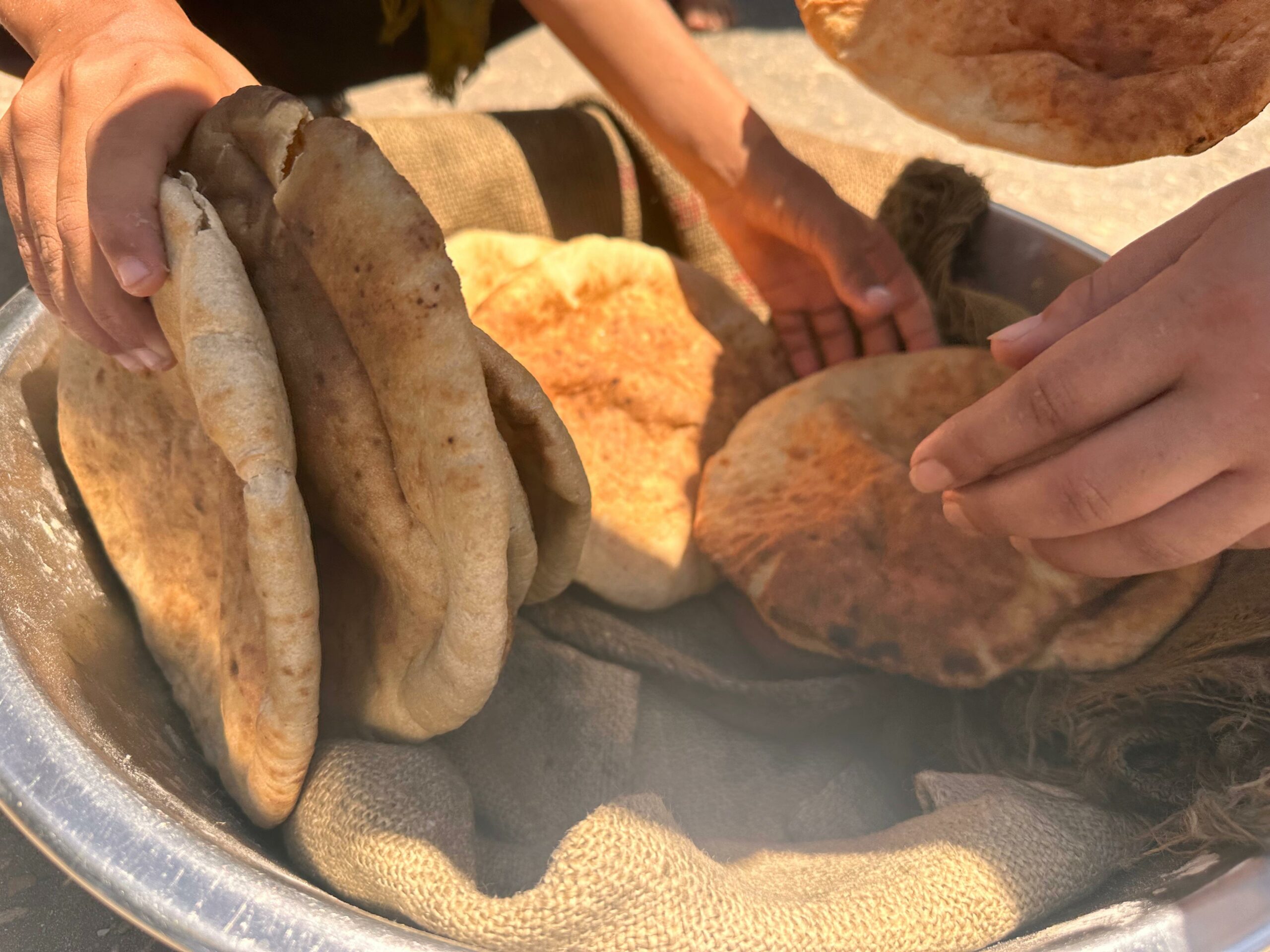
Egypt launches program to fortify subsidized bread against iron deficiency
A source in the Supply Ministry said that the fortified bread will be distributed in 13 governorates
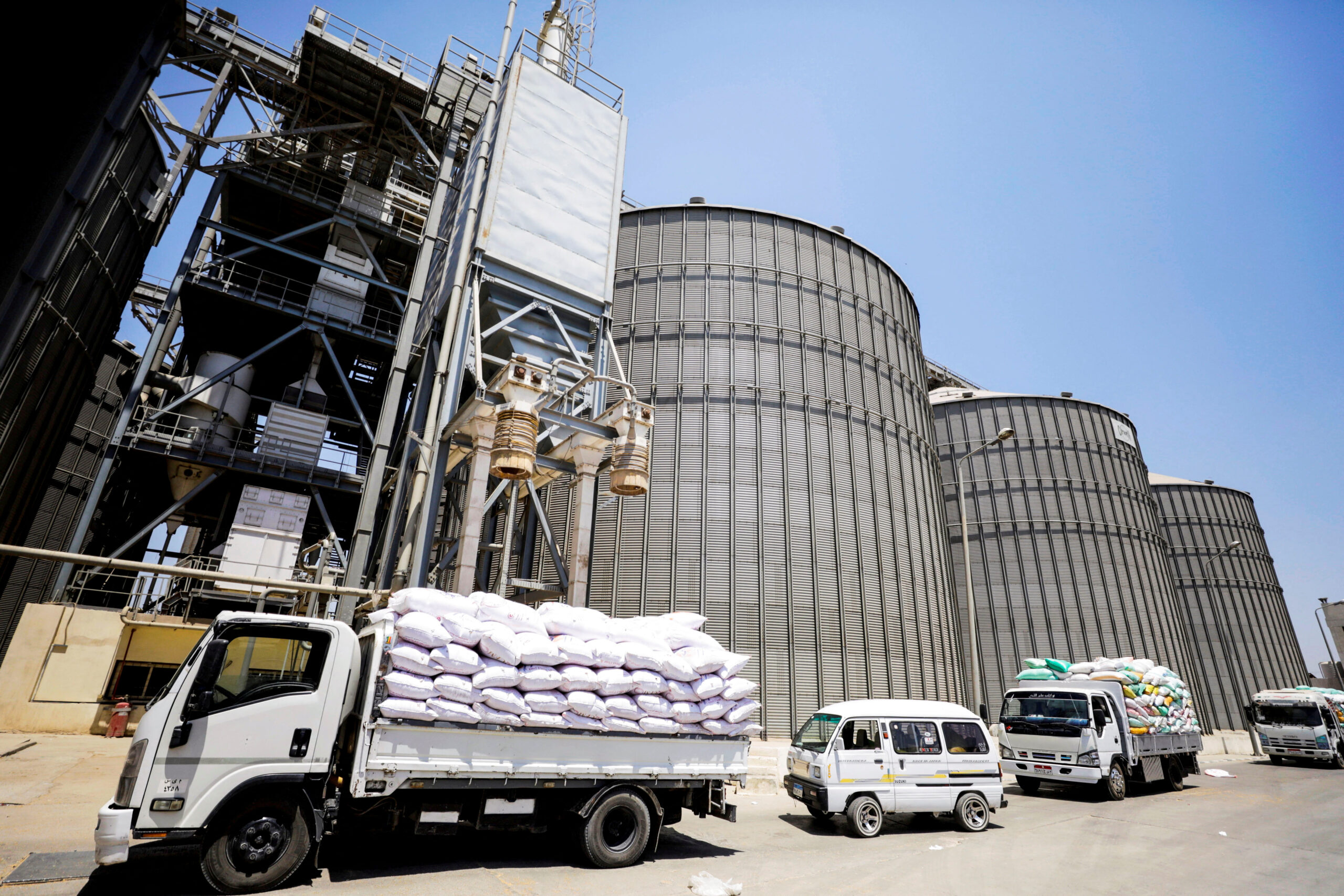
New player bids to import wheat for Egypt’s state silos
The Future of Egypt, a sustainable agriculture agency, announced on Wednesday that it had issued a tender to import 60,000 tons of…
Supply Ministry introduces new penalties for bakeries, mills amid changes to bread subsidy system
Supply Minister Sherif Farouk imposed new regulations on the production of subsidized bread this week, introducing fines for bakeries and mills found…
Your support is the only way to ensure independent, progressive journalism survives.
You have a right to access accurate information, be stimulated by innovative and nuanced reporting, and be moved by compelling storytelling. Subscribe now to become part of the growing community of members who help us maintain our editorial independence.
Join us