
Cigarette manufacturing license tender criticized for preserving monopoly of state-controlled Eastern Tobacco
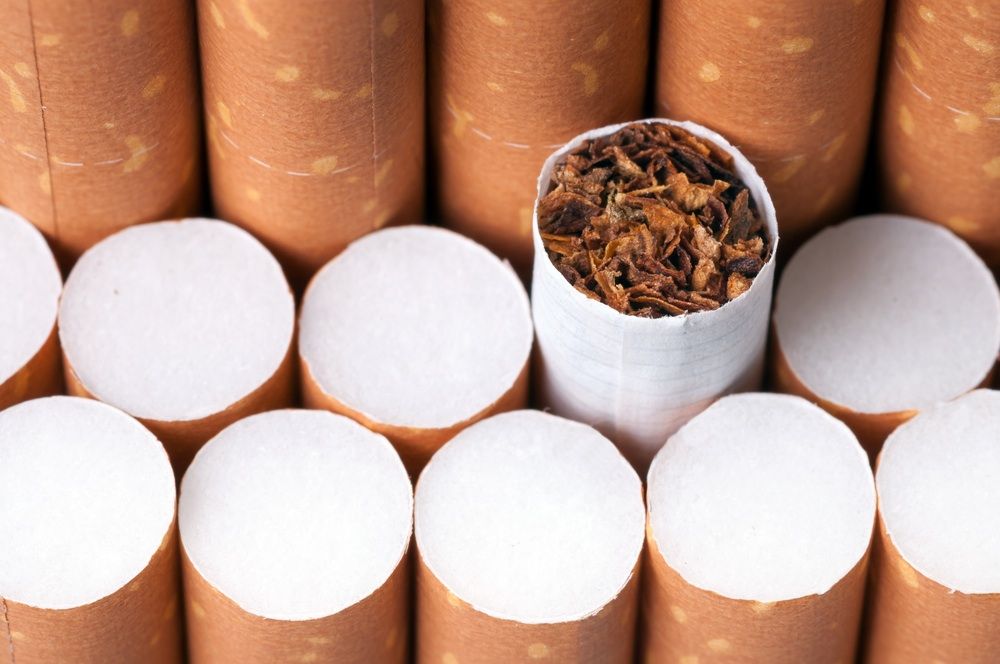
A recent tender for a license to manufacture cigarettes for the first time in Egypt came under heavy criticism for imposing conditions that essentially preserve the monopoly of the state-controlled manufacturer Eastern Tobacco, according to an industry figure and a former competition regulator.
On Thursday, the Industrial Development Authority launched a tender to existing tobacco companies — all of which currently operate via Eastern Tobacco — to get a new license to manufacture cigarettes and e-cigarettes locally.
The step appeared to show the state moving toward giving up its monopoly over the cigarette market through Eastern Tobacco, which dominates 55 percent of domestic cigarette sales through products sold under the Cleopatra brand name; products which generate 98 percent of Eastern Tobacco’s revenue. Products belonging to foreign brands comprise the remainder of the market, yet all are also produced by Eastern Tobacco with the permission of the companies that own the trademark. The move also follows Eastern Tobacco selling a minor stake on the Egyptian Exchange in 2019.
Yet, the strict conditions on the tender make “real competition” nearly impossible, the former head of the Egyptian Competition Authority, Mona Yassin, told Mada Masr.
Eastern Tobacco is entitled to take a 24 percent share of the capital of the new company to be established by the license winner without having to pay for the licensing costs, according to a statement Eastern Tobacco submitted to the Egyptian Exchange.
The statement said this would help preserve “the status” of Eastern Tobacco and make up for any losses incurred if one of its existing manufacturers decides to go solo and pick up the new license.
International cigarette manufacturers, including the British American Tobacco, Philip Morris International, Japanese Tobacco International, Imperial Brands and Al-Mansour International Distribution, all currently operate in Egypt through Eastern Tobacco, which produces cigarettes to the companies’ various specifications in exchange for a production and packaging fee.
The new company would also be required to price its cigarettes at a 50 percent markup over Eastern Tobacco’s cheapest product — the Cleopatra brand — thereby protecting Eastern Tobacco’s market share.
Furthermore, the minimum production capacity for the new company is set at 15 billion cigarettes annually, a condition Yassin said limits competitiveness in a clear violation of the competition protection law. The production capacity ceiling for competitors is so high, the head of the tobacco division at the Federation of Egyptian Industries Ibrahim Imbaby told Mada Masr, that only one company would be eligible. Sources who spoke to Mada Masr on condition of anonymity also said that out of the six companies operating in the market, only Philip Morris has sufficient production capacity to be eligible for the license.
Eastern Tobacco, in which the government owns the majority 55 percent stake, has long held a legal monopoly on cigarette production in Egypt, allowing it to achieve major profits for state coffers. The company’s net profits have grown significantly in recent years, rising from LE908 million in 2014 to more than LE4 billion in 2018.
Shares in the company were first floated on the Egyptian Exchange in 1995 and a further 4.5 percent stake went to the Egyptian Exchange in 2019, kicking off a privatization program that was originally set to see the government surrender shares in 23 state companies to the private sector as part of an economic reform package tied to the US$12 billion loan agreement the government signed with the International Monetary Fund in 2016. The privatization program has remained stalled for over two years.
Coverage of the new tender in the local press puts the bidding deadline for the new cigarette manufacturing license in April, with the license to be issued in July.

أخبار ذات صلة

Splitting the pharmacy pie: How the El Ezaby-sovereign fund deal will usher in new monopolistic player
The move will see El Ezaby, Egypt's largest pharmacy chain, expand twofold within two years

The protection of competition: A suspended verdict
At times the Egyptian Competition Authority has played an active role in curbing monopolistic practices — but not always.

Imminent Uber-Careem merger to come at the expense of consumers
The ECA announced its intention to act against the companies if a deal to merge is struck
Telecom companies need to pay consumers back for illegal price hikes, says authority
Consumers need to be compensated for the price hikes allegedly coordinated by the three major telecom companies Vodafone, Mobinil and Etisalat, the…
Your support is the only way to ensure independent, progressive journalism survives.
You have a right to access accurate information, be stimulated by innovative and nuanced reporting, and be moved by compelling storytelling. Subscribe now to become part of the growing community of members who help us maintain our editorial independence.
Join us