
Bodies of 3 Egyptians repatriated following deaths on Balkan route to Europe, humanitarian organizations say
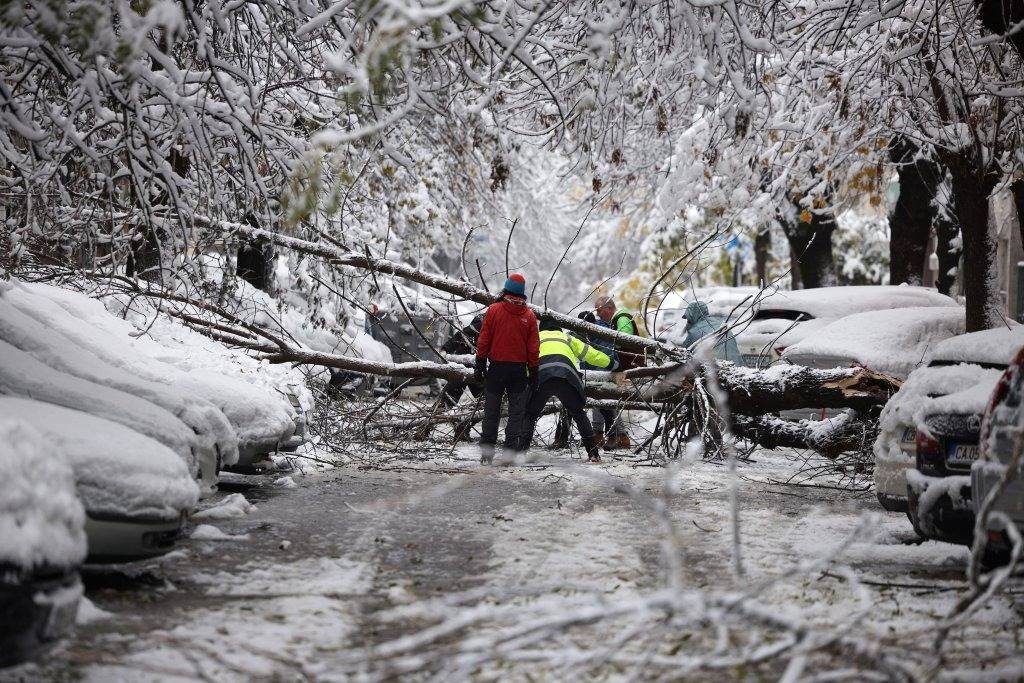
The bodies of three Egyptian nationals were repatriated last week, several weeks after they died in harsh weather conditions in Bulgaria while trying to reach Europe via an irregular migration route, according to Diana Dimova, the chairperson of Mission Wings Foundation, a non-profit that assisted with their identification and repatriation to Egypt from Bulgaria.
Ahmed Samra, 16, Ahmed Alauden, 17, and Seif al-Beltagy, 15, died in forested areas in the country’s southeast in December when they were attempting to cross the perilous Balkan route from Turkey to Western Europe, according to several grassroots organizations that issued distress calls for the Egyptians and attempted to find and rescue them.
In their joint statement on the incident, humanitarian organizations working in Bulgaria accused the Bulgarian Border Police of ignoring the emergency calls made to them, and of “actively blocking” rescue teams from reaching the Egyptians in distress.
The route has been witnessing a growing number of Egyptians over the past few months, Lucia, an activist working with a coauthor of the statement, Collectivo Rotte Balcaniche (CRB), told Mada Masr, adding that many of the Egyptian migrants intercepted were minors.
The migration route is considered more dangerous than others given the harsh environment, especially in the winter months, and risky terrain, as well as the frequent exercise of violence and neglect by border police officers.
“The boys were in a really bad situation in the snow, they were clearly freezing, one of them was only half-conscious,” Sebastian, an activist working with one of the organizations that received reports on their whereabouts, No Name Kitchen (NNK), told Mada Masr.
Sebastian said that NNK received the first information regarding the situation of Samra, one of the Egyptian minors, on December 27, exactly at 12:45 in the morning, “where they appeared to be in serious cold in an area close to Gabar,” he continued.
Rescue teams at NNK as well as CRB reported the incident to the Bulgarian ambulance emergency line several times and provided them with the precise GPS coordinates of the migrants in distress, the organizations said in a statement.
In parallel, Sebastian and other NNK team members embarked on the road to the first location to attempt a rescue operation for Samra, who, in footage they received, seemed in an extremely dire health situation but was still alive at the time.
“We got closer to the location, nearly two kilometers away, but our car broke down and by that time, border guards showed up with balaclavas and they were shouting, telling us to move in the direction of a town four hours away by walking. We had no choice but to abandon our car and we were followed the entire time, by them, as we were walking toward this town,” the activist said.
After stopping their vehicles, the Bulgarian Border Police had not only blocked the rescue team’s attempts to aid the three minors, but calls to the ambulance line on the first day had been ignored as well, according to the public statement issued by NNK.
The next day, NNK teams finally reached the first location using a different route, more than 24 hours later, to find Samra, now dead under a tree, only 20 meters away from the coordinates the organizations received and sent to the ambulance emergency line.
“We just wanted to check if these boys were still alive. So we had basic medical supplies, but we kind of expected by this time that unless the emergency services found these boys, they would be dead,” Sebastian added.
From its side, the Bulgarian Interior Ministry’ s General Directorate of the Border Police said that “it responded promptly to all signals,” in comments to Bulgarian National Radio Burgas.
In their statement to the Bulgarian media outlet, the border police claimed that the information they received on December 27 regarding minors in distress in the Strandzha region were either “false or misleading,” adding that they found the bodies of the Egyptian nationals nevertheless on the next day.
On December 28, information was received by NNK and CRB about Alauden and Beltagy, leading them to report again to the emergency line for their rescue. Their bodies were then found on December 28 and 29 by the Border police and CRB rescue teams.
The body of Beltagy, found nearly 57 hours after the incident was reported to authorities, was severely damaged by animals, the statement added.
NNK and the two other grassroots organizations that attempted rescue missions said that Bulgarian authorities left the three Egyptians to die.
The incident is the latest in what the joint statement described as a common pattern of Bulgarian authorities to deny requests for medical assistance to undocumented migrants in distress, adding that the pattern is used to “exert even more violence on them,” which leads to either deaths or pushbacks to Turkey.
"The normal procedure that should be followed in cases of distress is to call the ambulance hotline, 112, Lucia explained to Mada Masr, and the operator would ask for information about the person in danger and the incident.
Generally speaking, she continued, they have to accordingly send an ambulance to the location.
“But what happens is that 112 calls the Border Police, so they don't send the ambulance immediately. And when Border Police find people in the woods, they very often push back the people in distress, even if they are sick and in shock.” Lucia added.
She added that if rescue teams are present at the location of the people in distress they can provide first aid, and the Border Police would follow the procedures indicated by the law, which are to accept the asylum seekers."
Soon to join the Schengen area, Bulgaria has been a major transit for informal migration to the European Union over the last years. Several reports have been issued around the authorities’ violent, and at times illegal, treatment of informal migrants and numerous pushbacks into Turkey.
In their statement, the foundations called for an investigation to be opened into the Bulgarian Border Police’s role in the death of the Egyptian migrants, as well as demanded the suspension of EU and Frontex support for Bulgaria’s border enforcement.
The organizations, working under pressure from the authorities, also demanded an end to the criminalization of rescue teams providing life-saving aid, which Sebastian described to Mada Masr as another pattern of intimidation, as well as emotional and psychological violence against rescue teams.
Though Egypt's government says it has taken action to prevent people leaving its shores through irregular migration routes, the number of Egyptians reaching Europe has surged, with many departing via perilous routes through Libya or Turkey in order to reach better living conditions in Europe as the economic situation in Egypt deteriorates.
Egyptian nationals were the fifth most frequent recorded reaching Europe through informal migration in 2024, according to the IOM’s Displacement Tracking Matrix. In 2021, around 92 percent of Egyptian nationals detected by Frontex at the EU external border attempted to enter through the Central Mediterranean route, while around four percent of attempts were detected along the Western Balkan routes.
Egypt tightened the regulatory environment for undocumented migration via the Egyptian coast in 2016 following the tragic shipwreck near the port city of Rashid.
*This story has been updated since publishing to correctly reflect the ages of Ahmed Alauden, Seif al-Beltagy and Ahmed Samra, who were all minors.
أخبار ذات صلة
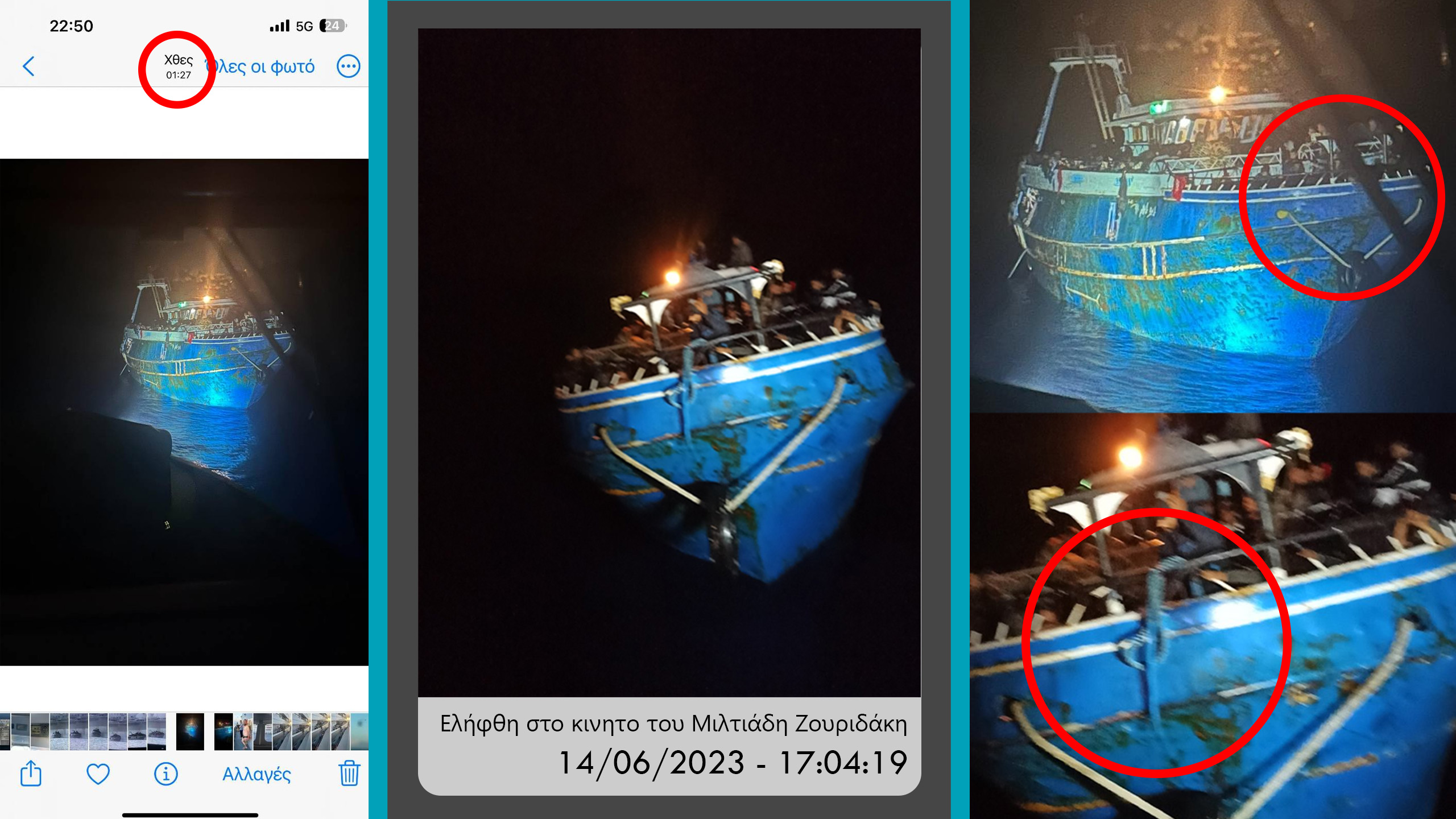
The Pylos shipwreck, the disappearing blue rope, and the trial ‘to determine the kind of world we want to live in’
A boat carrying hundreds of migrants, including 200 Egyptians, sank off the coast of Pylos in 2023
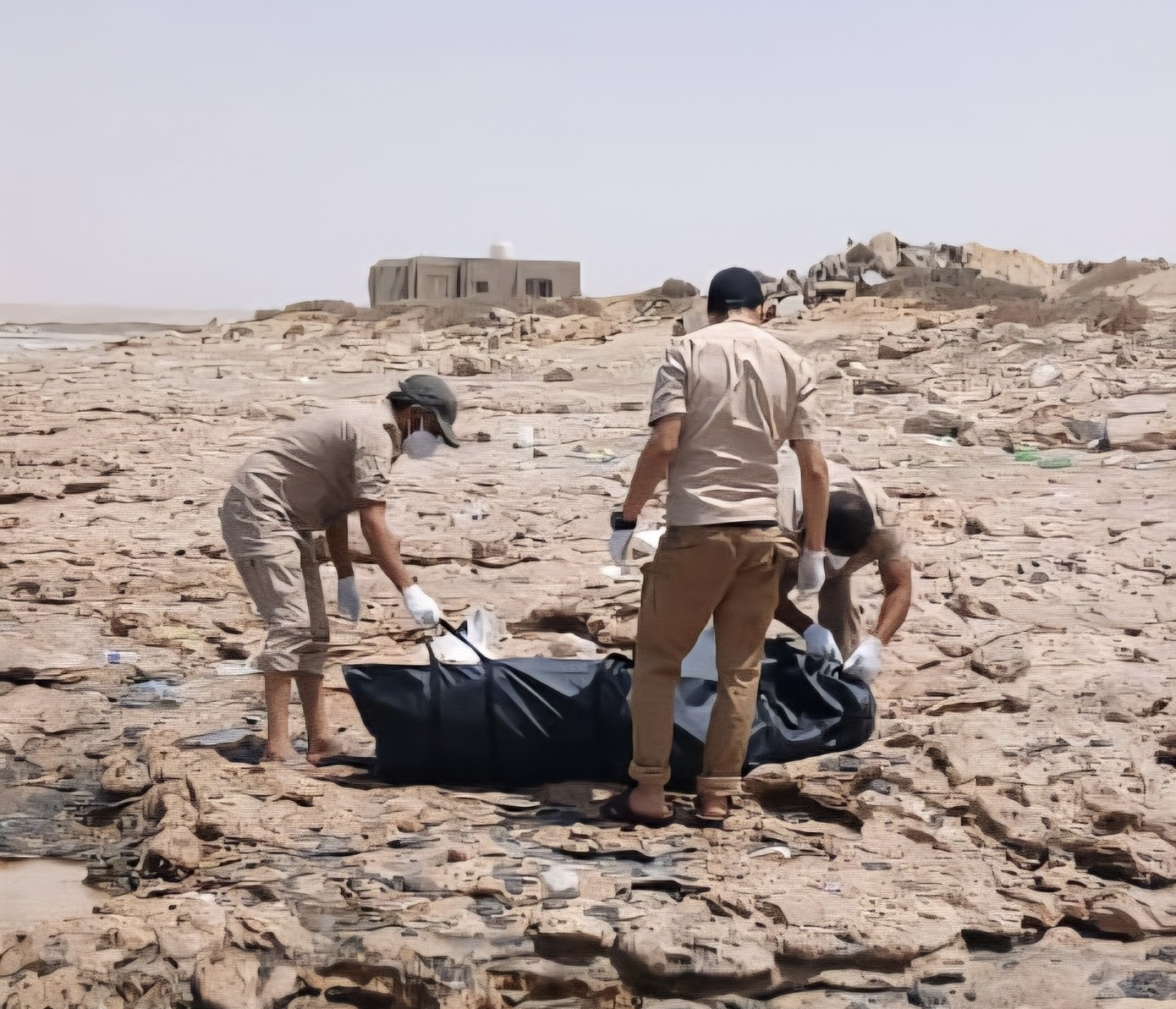
Dozens of Egyptians still missing after migrant boat sinks off Tobruk coast
Dozens of Egyptian migrants remain missing after a Europe-bound boat capsized off the Libyan coast in the early hours of July 24.…
What was the Greek coastguard doing instead of rescuing 750 people?
Recordings reveal the coastguard was busy preemptively staging its own impunity before the ship sank
EU gives Egyptian military 20 mn euros to ‘enhance national and civilian security’
The European Peace Facility (EPF), a European Union entity aimed at strengthening the military and defense capacities of “partner” countries, approved on…
Your support is the only way to ensure independent, progressive journalism survives.
You have a right to access accurate information, be stimulated by innovative and nuanced reporting, and be moved by compelling storytelling. Subscribe now to become part of the growing community of members who help us maintain our editorial independence.
Join us