
Amid jostling to populate official roles in National Dialogue, board responds to opposition criticism
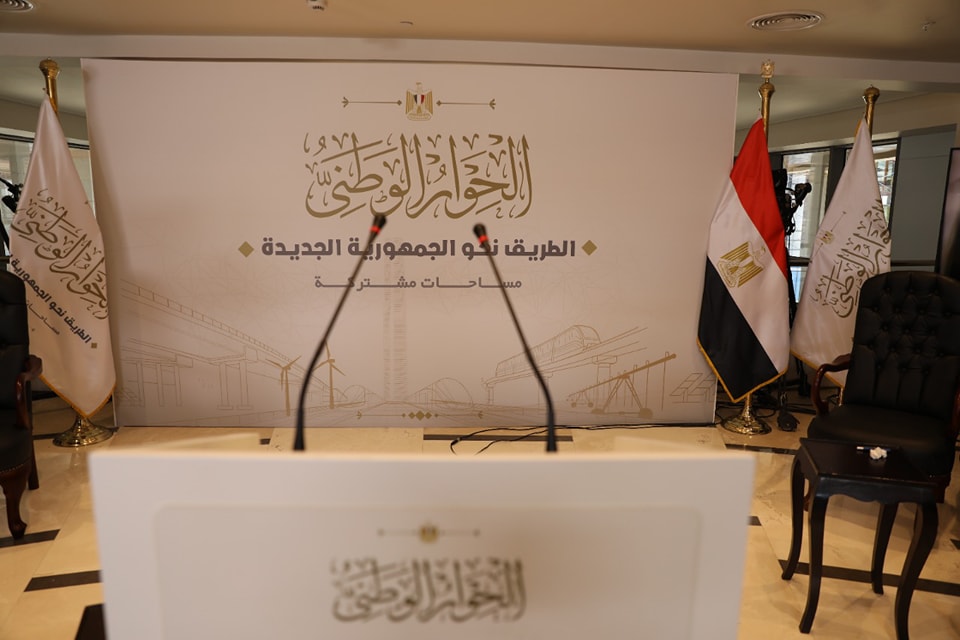
Several new faces from Egypt’s opposition were appointed on Saturday to official posts as part of the National Dialogue, a public consultation process on political life in the country heralded as a forum for inclusive discussion.
The National Dialogue board also agreed that special attention will be granted to address political parties, trade unions and civil society: areas that have long been constrained by heavy-handed government intervention. The additions came after the Civil Democratic Movement — an alliance of seven opposition parties — demanded dedicated space be granted to the issues within the dialogue’s roadmap.
The decisions were made on Saturday in a coordinating session held by the National Dialogue Board of Trustees, which has convened six times since July to lay the groundwork for the dialogue itself.
Yet months after the president announced the dialogue would take place it remains to be seen when events will begin in earnest, with demands for political prisoners to be released lingering unanswered and souring public buy-in to the dialogue’s professed inclusivity.
So far, the dialogue has been divided into three distinct branches for the discussion of political, economic and social issues. Each branch comprises a number of subcommittees, to be presided over by politically active or technically informed public figures selected by the board of trustees.
Among the most drastic changes on Saturday was the addition of two new focus groups to the political branch, the first to host discussions regarding political parties, and the second to discuss unions and civil society, according to a statement from the board. These are to join existing subcommittees that will look at the exercise of political rights and parliamentary representation, local councils, and human rights and public freedoms.
The new focus groups were added after criticism from the civil movement, a coalition that has suffered directly from restrictions on party life as one of its members, the Bread and Freedom Party, has long referred to itself as “under establishment” as it battles legal hurdles to gaining official party status. The opposition coalition publicly criticized the National Dialogue at a presser last week, saying its political branch lacked the “required balance.”
The civil movement’s intervention was met with an angry and dismissive retort from a coalition of 42 government-aligned parties, the Egyptian Parties Alliance, which defended the transparency of the dialogue process and accused the group of blackmail and “hostility against the state.” However, hours after the press conference, dialogue general coordinator Diaa Rashwan promised last week to look into potential amendments to the agenda for the dialogue’s political branch.
A source from the civil movement, who spoke to Mada Masr on condition of anonymity, said that the alliance was pushing for the restructure as an attempt “to remedy the selection” of Ali Eddin Helal, a former Cabinet member under the government of ousted former President Hosni Mubarak and a former member of the ruling National Democratic Party, as general rapporteur for the political branch of the dialogue at the board of trustees’ fifth meeting on September 5. The source described Helal as being too close to ruling circles to act as a satisfactory candidate to head the dialogue’s political discussions.
A candidate nominated by the civil movement who was initially set to hold the assistant rapporteur role, MP Diaa Eddin Daoud, ultimately withdrew his name from the running, which the source said caused further confusion in the coalition.
Taking his place, Cairo University Professor of Political Science Mostafa Kamel al-Sayed, a cofounder of the Civil Democratic Movement, was appointed as assistant rapporteur on Saturday, which dialogue board member and Egyptian Social Democratic Party official Abdel Azeem Hammad told Mada Masr on Sunday would “modify the balance of the entire dialogue.”
Following the board amendments, the political branch of the National Dialogue will be headed by Helal with Sayed as his assistant, while the full lineup of rapporteurs and assistant rapporteurs for the subcommittees is as follows:
- Political rights and parliamentary representation group: Mohamed Abdel Ghany (civil movement-nominated) as rapporteur, Mohamed Shawky Abdel Aal as assistant rapporteur
- Local councils group: Samir Abdel Wahab as rapporteur, Alaa Essam as assistant rapporteur
- Human rights and public freedoms group: Nevine Massad as rapporteur, Ahmed Ragheb (civil movement-nominated) as assistant rapporteur
- Political parties group: Ihab al-Tamawy as rapporteur, Khaled Daoud (civil movement-nominated) as assistant rapporteur
- Trade unions and civil society group: Ahmed al-Borai as rapporteur, Magdy al-Badawy (civil movement-nominated) as assistant rapporteur
Describing the changes to the appointments as “reasonable,” head of the Socialist Popular Alliance Party, which belongs to the civil movement, Medhat al-Zahed said that the alliance is now well-represented in the political branch, pointing to the alliance’s four candidates who now hold official posts.
In another new appointment on Saturday, physician and former National Democratic Party official Hossam Badrawy was announced as a consultant for the dialogue. According to Hammad, Badrawy was not nominated by the civil movement, but “enjoys the respect of many of [its] members,” as he was a member of the “reform wing” of the NDP that “worked through the party to pass laws faster.”
The board also agreed to add a youth subcommittee to the community branch and a tourism subcommittee to the economic branch.
Regarding the start of the dialogue, Hammad said it is tough to predict the date, since some of those selected for official posts as rapporteurs or assistant rapporteurs on subcommittees had declined to participate. Hammad also said that the discussion on political prisoners has not yet been concluded, since direct presidential intervention is required to grant prisoners amnesty.
Fewer than half of the prisoners for whom the civil movement demanded releases are out of custody so far, he noted. Zahed likewise said that prisoners of conscience should be released before the dialogue, predicting that the dialogue will not begin for at least two months.
Prisoner releases have been at the top of the civil movement’s agenda since the president announced the dialogue and reformed the presidential amnesty committee back in April.
The Civil Democratic Movement released a joint statement on May 8, before the dialogue coordination sessions began, stipulating conditions for the success of the dialogue, including the release of political prisoners and a halt to the authorities’ practice of arbitrary arrest against those expressing their opinions freely, points they reiterated during their September 7 press conference.

أخبار ذات صلة
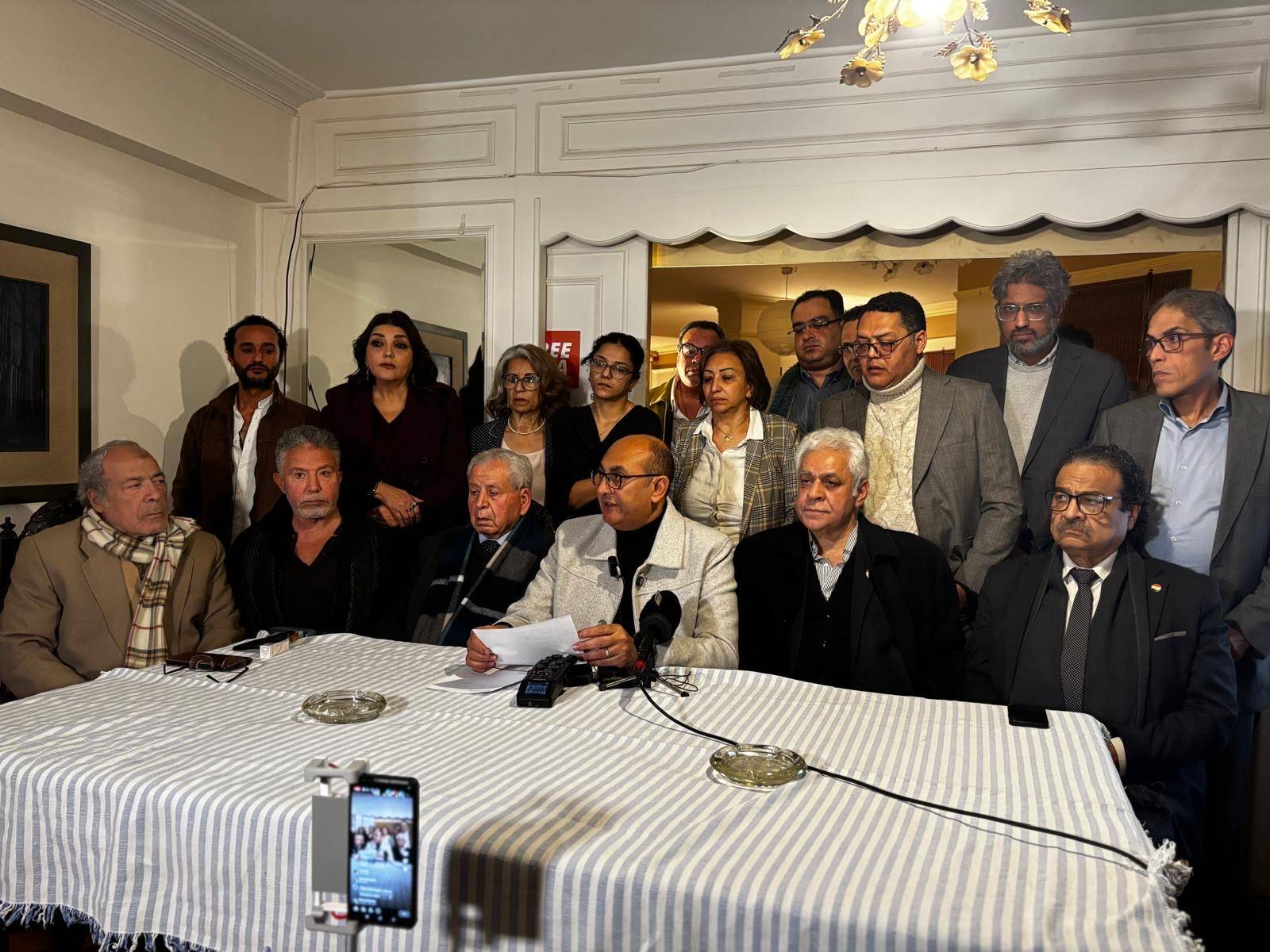
Politicians call on Sisi to release Alaa Abd El Fattah
A group of politicians, party representatives and public figures have called on President Abdel Fattah al-Sisi to release detained activist, writer and…
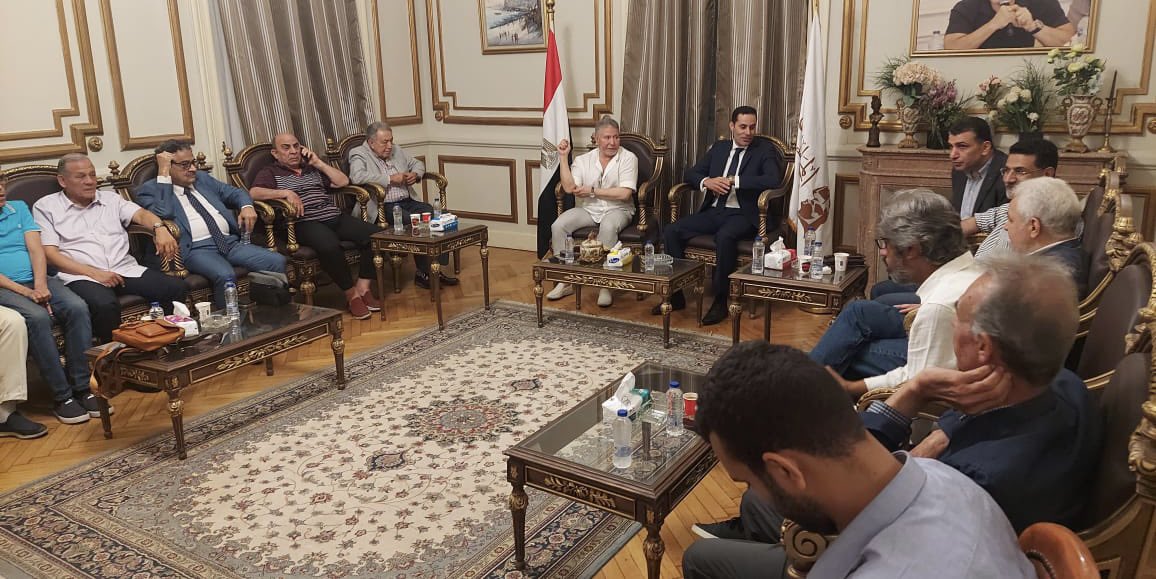
Presidential elections: Seasonal oppositional division
9 of 12 political groups associated with the Civil Democratic Movement urged the public to abstain.
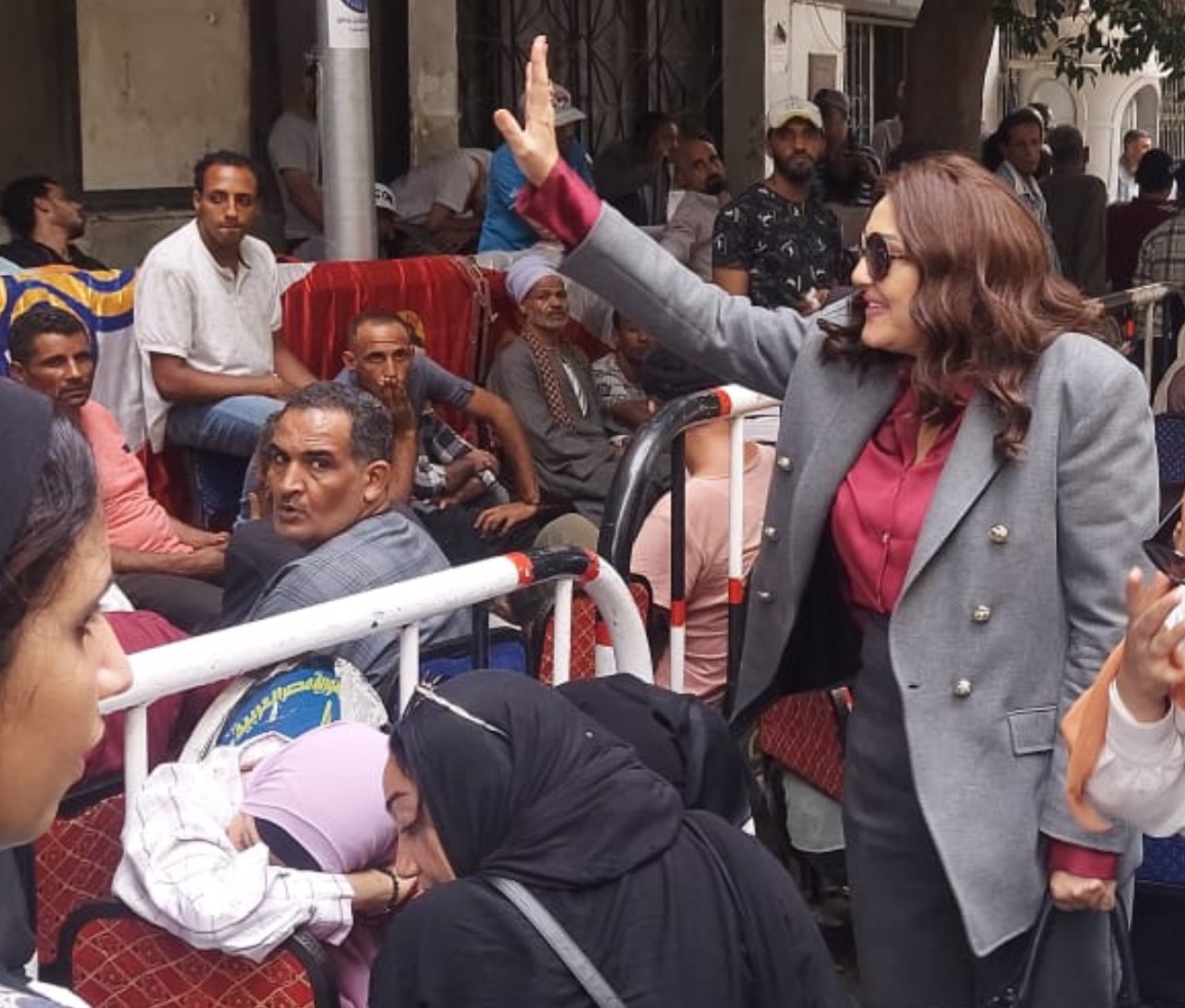
Dostour Party head Gameela Ismail bows out of presidential race
The party is yet to determine whether it will back another candidate
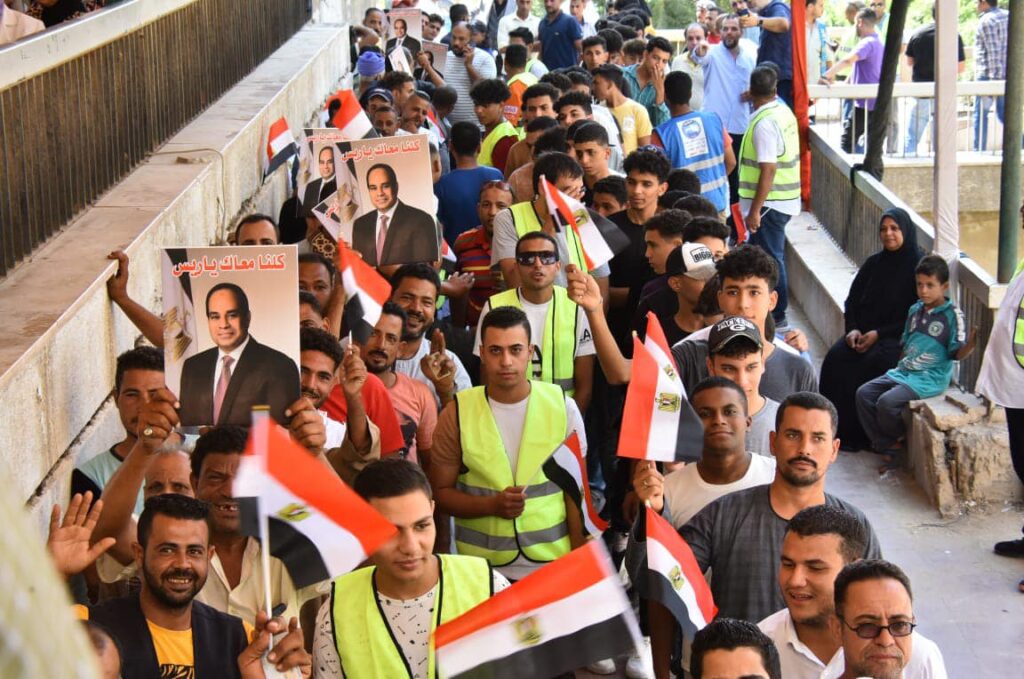
Off to the Races, or not: Election season kicks off with unannounced candidate in lead position as opposition faces hurdles
The press portrayed an outpouring of crowds seeking to nominate the president across the country
Your support is the only way to ensure independent, progressive journalism survives.
You have a right to access accurate information, be stimulated by innovative and nuanced reporting, and be moved by compelling storytelling. Subscribe now to become part of the growing community of members who help us maintain our editorial independence.
Join us