
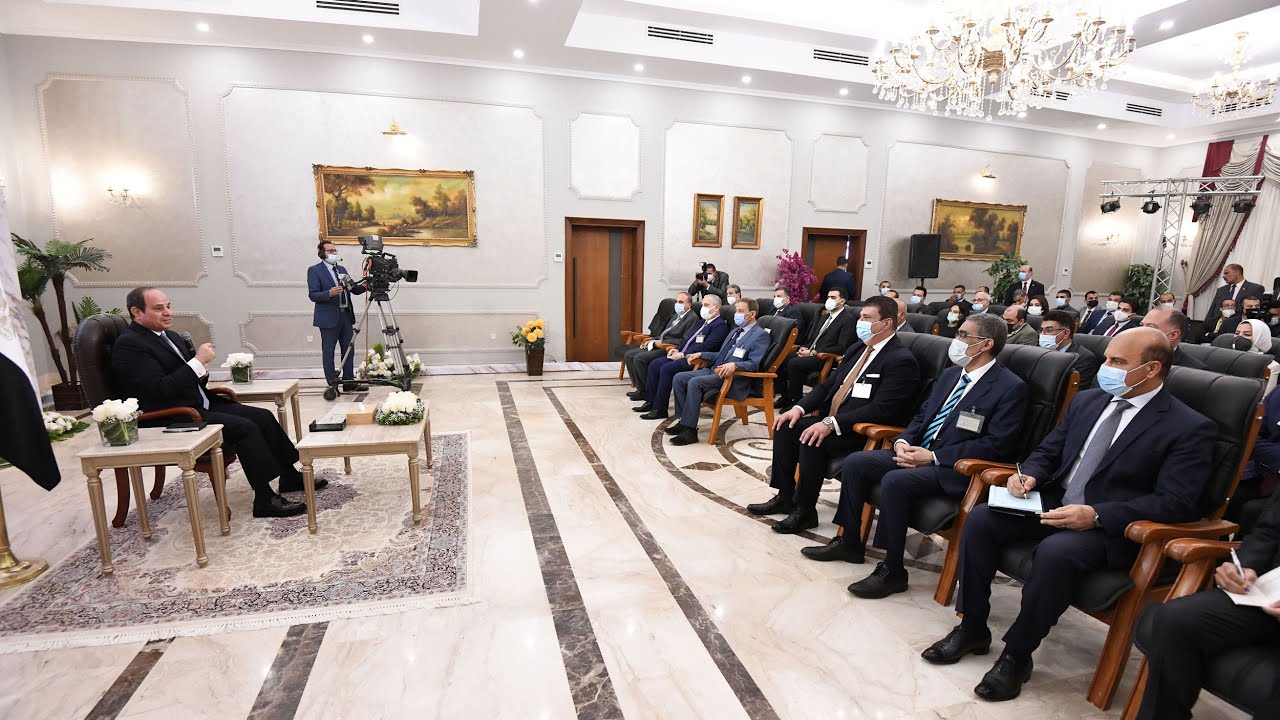
Shakeup to state-dominated media landscape underway
Management of Egypt’s state-dominated media is in the midst of a shakeup, 10 sources working in media institutions tell Mada Masr.
Nearly all media outlets in the country are either directly owned by sovereign entities through the United Media Service conglomerate or managed by state-adjacent figures.
In recent weeks, following the removal of former General Intelligence Director head Abbas Kamel from his long-held post on October 29, decision makers have begun to discuss changes to the leadership and operations of the media file.
The 10 sources, from UMS and other media institutions, who spoke to Mada Masr in recent weeks say that the new leadership will come from the presidency’s office and will be tasked with ensuring financial and organization reviews are conducted to regulate work at UMS.
Five sources at UMS tell Mada Masr that the company is currently conducting financial reviews of salaries, expenses and bonuses for its TV networks and publications, which may develop into investigations into a number of company officials, within the framework of new leadership taking over the management of media content.
A financial decision on who will lead national press institutions or outlets owned by sovereign entities is still not decided, the sources say. However, a number of names have been put on the table. Former Al-Masry Al-Youm Editor-in-Chief Abdel Latif al-Menawy and Major General Mohsen Abdel Nabi, the president’s media advisor, are being considered for management of UMS, while Presidential Office Director Omar Marwan is being considered to lead the whole file.
Marwan, who was appointed to head the presidential office in July, has held several top government positions, starting in 2011, when he was appointed secretary-general of the Investigation and Fact-Finding Committee on the January 25 Revolution. In December 2013, he assumed the same task, leading the technical secretariat of the committee investigating the events around and after June 30.
He later worked at the general secretariat of the Supreme Elections Committee, before joining former Prime Minister Sherif Ismail’s government as legal and parliamentary affairs minister in February 2017 — a position he held for two years. In December 2019, he took over the Justice Ministry portfolio, which he headed until July 2024, when he left the ministry to assume his current position in the presidency.
Amid the concerns of the economic management of the media file, two sources close to Marwan point to his track record in weeding out corruption within the judiciary, most notably leading the investigation into the judge who was trafficking thousands of artifacts from an apartment in Zamalek.
Menawy has maintained his proximity to authorities since he headed the Egyptian Radio and Television Union, the media body that organized radio and television broadcasting in the country before being replaced with the National Media Authority under the unified media law introduced in 2016.
In recent days, one of the media sources tells Mada Masr that Menawy has been holding meetings with UMS officials in recent days to talk about taking up a position with the conglomerate.
As for Major General Mohsen Abdel Nabi, Sisi appointed him as his media advisor in July after he had served as Sisi’s office director, succeeding Abbas Kamel, since July 2018. Before his work in the presidency, Abdel Nabi served as director of the Armed Forces Moral Affairs Department from January 2014 to July 2018, during which he was responsible for managing the country’s media affairs, according to a previous statement by Major General Samir Farag.
According to three media sources, Abdel Nabi has invited in the past weeks a number of media professionals who have been absent from the media scene due to disagreements with those responsible for the media file in sovereign bodies, including anchors Lamis al-Hadidi, Qaswaa al-Khalali and others, to meetings aiming to arrange their return to the screen.
The sources explain that current officials did not approve of the way the media figures handled certain topics, such as the controversy around the new education minister’s academic credentials or the demolition of historic cemeteries.
The return of some media professionals to the screen, the sources noted, is conditional on new parameters being negotiated to regulate talk shows, which initially include setting the program duration at no more than 100 minutes, and trying to control and review the media content as much as possible before broadcasting it so there are no surprises on air.
The meetings, according to the sources, also saw emphasis on the need to review the script for talk show discussions well before the episodes, as well as the need to update the lists of banned or recurring guests, and the approach in dealing with controversial issues.
As much as the coming period may see a return for certain media figures who have been absent, other mainstays of the media landscape are facing increased scrutiny.
One UMS source tells Mada Masr that a prominent producer is currently under investigation due to purchasing technical devices and equipment at inflated prices.
There are also reviews of travel expenses. Two UMS sources indicated that a delegation from Al-Qahera News and UMS who were heading to the United States to cover the presidential elections had their trip canceled in order to review the necessity of about 20 people traveling when Al-Qahera News already has a headquarters in the US.
Cairo 24, the intelligence-affiliated news website, has been blocked since the beginning of the month and has resorted to publishing through a mirror website.
Journalists Syndicate head Khaled al-Balshy tells Mada Masr that he was informed of the block by Cairo 24 Editor-in-Chief Mahmoud al-Mamluk. He said that both he and Mamluk do not know the reasons behind the decision to block the website, noting that inquiries are being made about the reasons and the identity of the body that made the decision.
Mamluk did not respond to Mada Masr’s attempts to reach him to ask about the block at the time of publishing.

تقارير ذات صلة
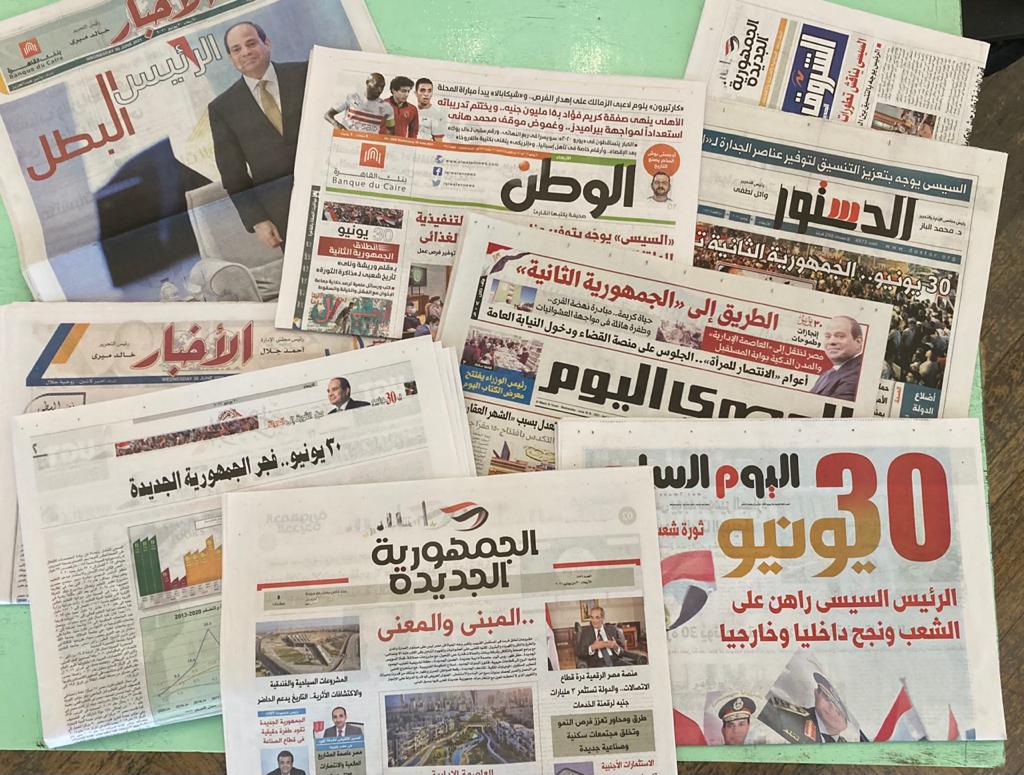
‘7 years of abundance’ — The unusual media campaign celebrating Sisi’s anniversary
Outlets were told to avoid negative news of any kind, even building collapses and train wrecks.
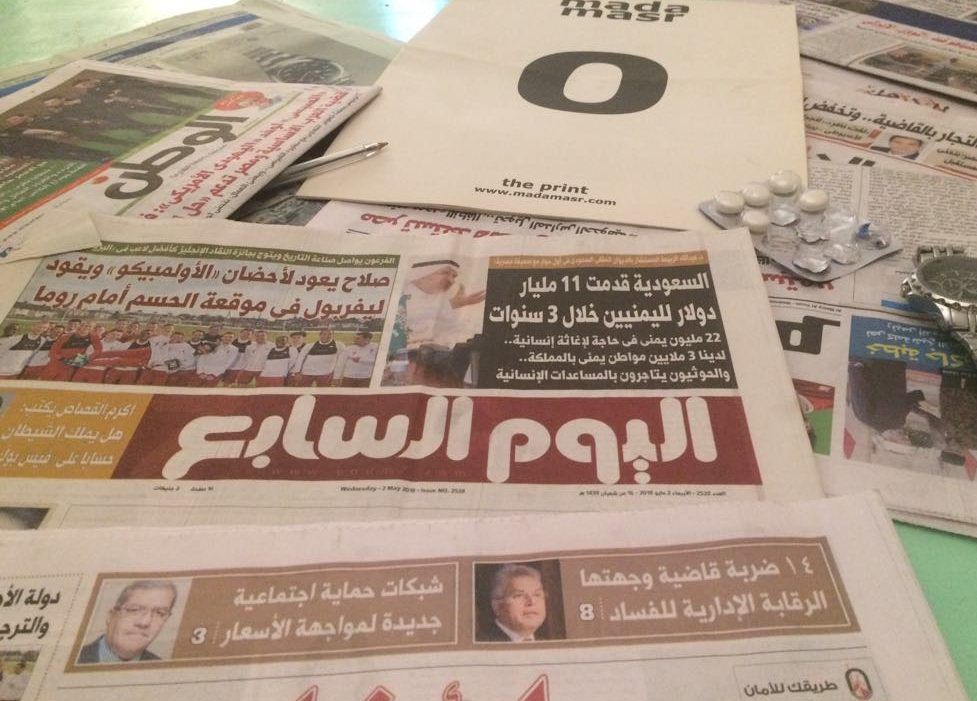
Legal limbo: Media council again extends deadline for outlets to legalize status
For the time being, we remain in legal limbo.
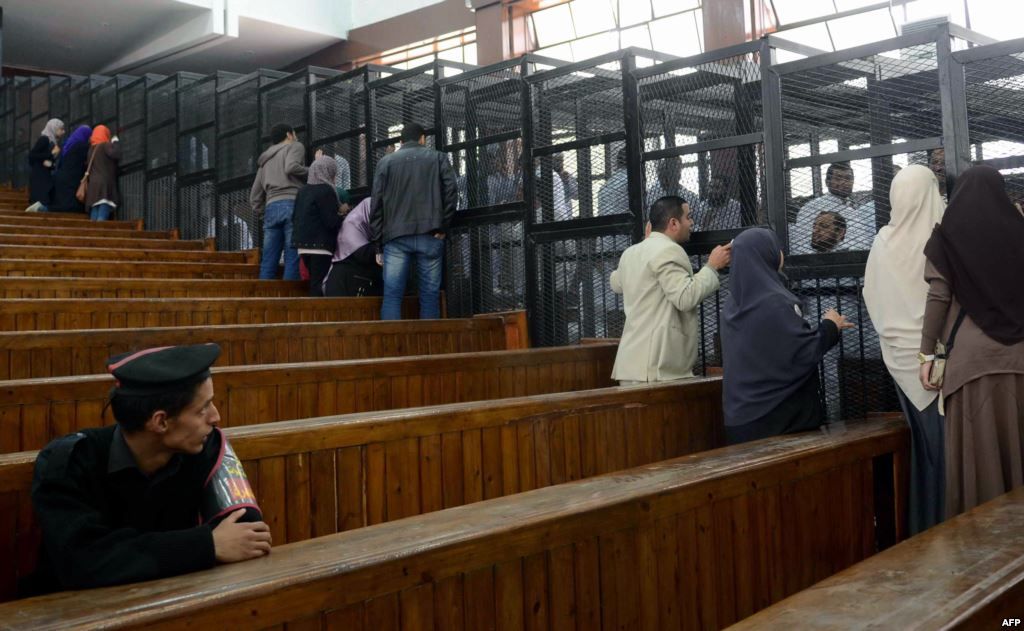
This justice is not blind: New amendments to terror laws
Under one amendment, individuals on the terror list may see their syndicate memberships frozen.
Your support is the only way to ensure independent, progressive journalism survives.
You have a right to access accurate information, be stimulated by innovative and nuanced reporting, and be moved by compelling storytelling. Subscribe now to become part of the growing community of members who help us maintain our editorial independence.
Join us