
Q&A with Gazan writer Mohamed Jamil: ‘Confrontations have legitimized armed resistance’
Palestinians have been mobilizing across historic Palestine in unprecedented spontaneous protests since last week.
The mobilization was sparked by Israeli police’s move to forcibly displace Palestinian families living in East Jerusalem’s Sheikh Jarrah to make way for the right-wing settler group Lahav Shomron and the storming of Al-Aqsa Mosque.
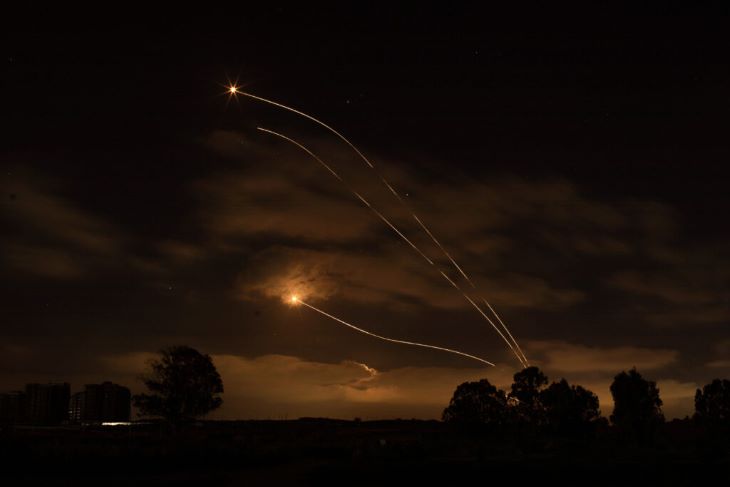
The response to Israeli aggression has resisted the fragmentation of occupation, as Palestinians with Israeli nationality in areas that were annexed to Israel in 1948 have taken to the streets to protest in solidarity with actions in East Jerusalem and the West Bank, while the armed resistance in Gaza has sent a barrage of rockets targeting Israeli cities and key infrastructure from oil pipelines to airports.
Palestinian mobilization has been confronted by Israeli violence at all levels, however. Mobs of Israeli citizens and police have taken to the streets to lynch and assault Palestinians and to destroy property, emboldened by Prime Minister Benjamin Netanyahu’s promise of impunity for those that apply as much force as possible to restore law and order. In Gaza, the Israeli occupation has leveled devastating airstrikes on the besieged population, killing 139 people, of which 39 are children.
Mada Masr reached out to a range of writers across the Palestinian territories to solicit their perspectives on what is happening in this historic moment. In this interview, we spoke with Mohamed Jamil, a writer from Gaza, about how the armed resistance has gained increased legitimacy among the people of Gaza and wider Palestine amid this confrontation with Israeli occupation.
Mada Masr: How did Gaza find itself on the frontlines of the latest developments? And how do you see the reactions inside the Strip?
Mohamed Jamil: Many people in Gaza were quite engaged with what was happening in Sheikh Jarrah and Jerusalem last week, especially as other cities inside Israel witnessed some mobilization. But it also increased the feelings of hopelessness and despair, as we could not offer support. Gaza’s capacity to confront Israelis is very limited at the end of the day, and it is mainly restricted to armed confrontations.
This is why when the Qassam Brigades, the military arm of Hamas, issued its warnings to Israel — warnings that are usually dealt with at a superficial level — all of Gaza actually welcomed them this time. And there were signs that people were ready to handle the consequences.
The support of Palestinians in Jerusalem when the resistance approached the border barrier and fired rockets was immediately felt by Palestinians in Gaza, and this acted as an impetus to widen the scope of confrontation and accept the ensuing consequences. After this, we stepped into the usual attacks and counterattacks.
Mada Masr: How do you view the consequences of Gaza’s decision to attack?
Jamil: First of all, I believe that this confrontation legitimized the armed resistance of Palestine, which is a huge loss to Israel. In the past when Hamas fired rockets, there was always a constant debate about the efficacy and consequences of firing rockets. We’ve never had a time when everyone or even half the people agreed to using rockets. But this time was different. I can confidently say that more than 85 percent of people are in agreement about the decision. This is a historical and definitive moment in the legitimacy of armed resistance.
Second of all, what happened is an unofficial coronation of Hamas as the leader of Palestine’s national liberation project. One can consider Fatah as the biggest loser, not only because it is currently outside of everything, but also because it is complicit in it. No one has really paid attention to any position that Fatah has taken over the last week, if it indeed took one. People are ignoring Ramallah altogether because of its historical and political baggage.
The third consequence is that Israel now finds itself in an embarrassing situation. There is a red line that Tel Aviv always tries to avoid, that is, the provocation of more than one Palestinian front at the same time. The existence of connected and simultaneous movements in Jerusalem, the Occupied Territories, and Gaza represents a political, emotional, and moral unification for Palestinians, something that Israel has worked for so long to dismantle. This is the main strategic victory that has been achieved.
Mada Masr: What do you expect to happen with the military attack on Gaza?
Jamil: Israel is like someone who swallows a machete. They did not want Gaza to go to the barrier. Jerusalem is on fire. And other cities inside Israel are witnessing protests. Now the question is, what does Israel actually hope to achieve with this military operation?
Israel right now wants to punish Palestinians in Gaza for daring to make the decision to resist, and it will do so by launching an aggressive military attack, the purpose of which is to psychologically terrify Palestinians so that they regret their actions. But surely, Israel is conflicted.
The entire Strip has an infrastructure built for resistance. There will be compensation and assistance given to families hit by airstrikes in the coming days. The magnitude of the resistance movement exceeds the potential damage that could happen if a prominent figure in the movement were to be killed. Israel’s punishment of people will happen by massacring civilians, an escalation that will likely take place over a prolonged period. This is especially dangerous now because Israel is facing war crime charges in the International Criminal Court for its attacks on Gaza in 2014. Also, more and more human rights organizations, which are not necessarily pro-Palestine, are openly criticizing Israel’s policies. Finally, if Israel agrees to a ceasefire now, it will still be a major victory for Palestine.
Mada Masr: Can we consider the fact that rockets reached most Israeli cities the most important development on the ground?
Jamil: Nothing fundamental changed from what happened in the 2014 war. Since then, we have known that rockets fired by the resistance can reach that far. This development was actually accomplished in early 2012 and announced in 2014. This time, we witnessed a higher level of accuracy and speed in hitting Israeli targets. The other major development that was achieved as a result of previous wars was the diminishment of Israel’s operational capability on the ground, which had once allowed it to enter the Gaza Strip by land. I believe that the resistance has now developed the capacity to prevent Israel from doing this, especially with the development of the tunnel system over the last 15 years, the arsenal of weapons, and the rigorous training that Hamas has implemented.
However, this doesn’t take away from the fact that Palestinians are demanding a reevaluation of their resistance strategy to determine the best ways, methods and timings to resist the occupation on both the political and militant fronts. There has to be an agreement over a comprehensive strategy to weight the use of weapons to make sure it doesn’t turn into a burden on Palestinians and their political discourse. The strategy needs to make a positive contribution to the Palestinian struggle.

تقارير ذات صلة

‘The camp has grown tighter around us’: Palestinian refugees in Lebanon between war and internal restrictions
In the early hours of Thursday, March 5, an Israeli aircraft struck an apartment near the Khalil al-Rahman Mosque in the Beddawi Palestinian refugee camp in northern Lebanon. The attack…

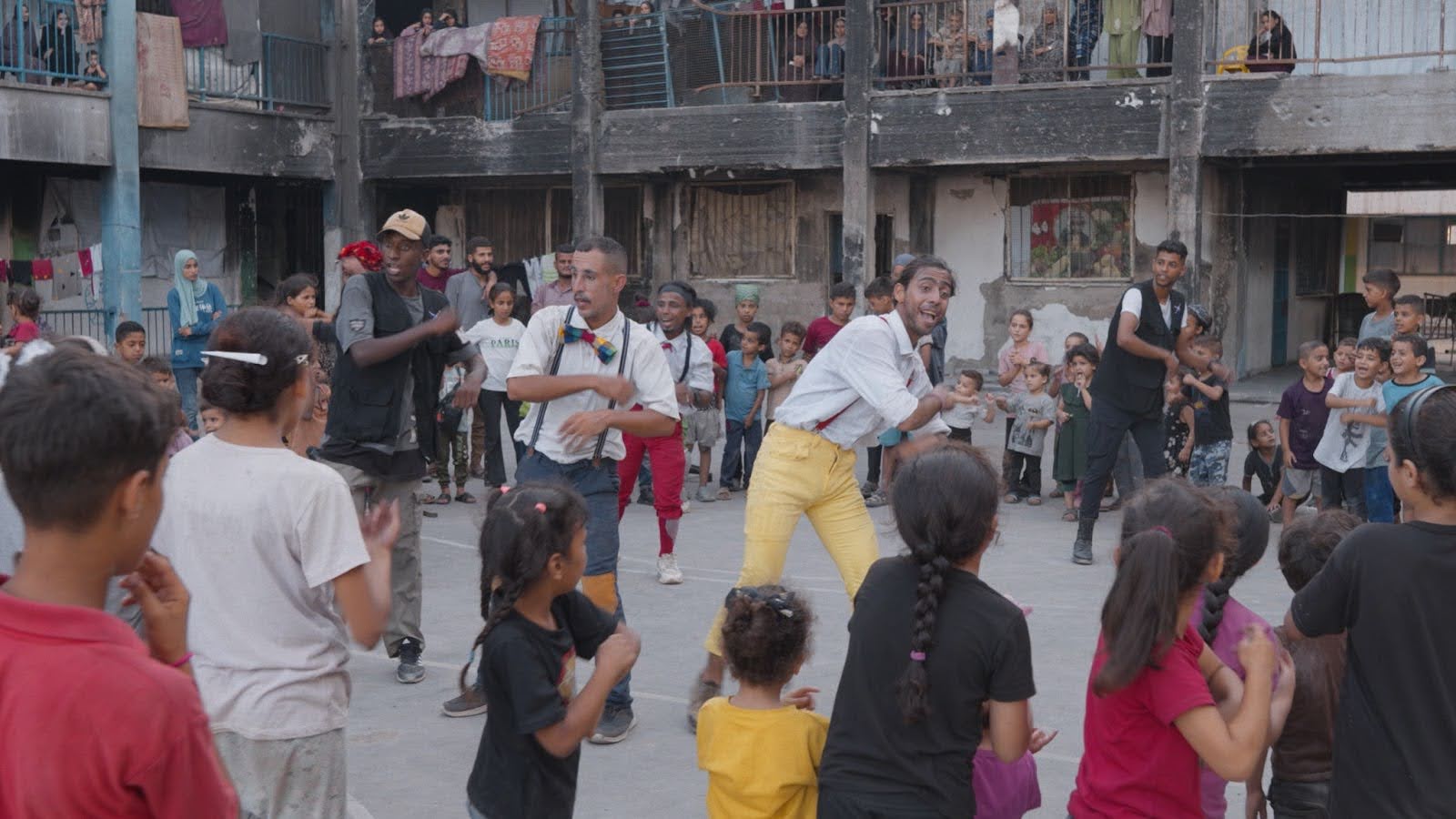
The quiet power of Gaza’s One More Show
An intimate portrait of Gaza's only circus troupe and their resilience amid Israel's genocide
Your support is the only way to ensure independent, progressive journalism survives.
You have a right to access accurate information, be stimulated by innovative and nuanced reporting, and be moved by compelling storytelling. Subscribe now to become part of the growing community of members who help us maintain our editorial independence.
Join us