
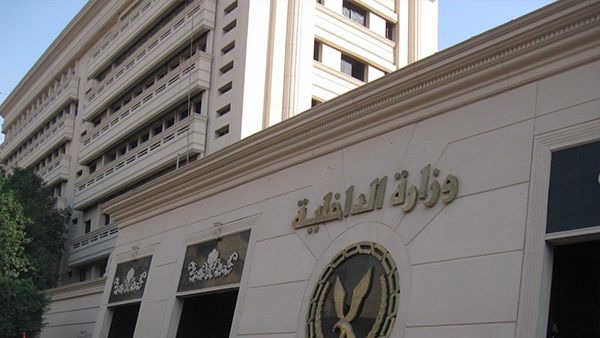
Three brief articles were published by the privately owned news site Al-Watan on Sunday morning: The first was an account of nine police officers referred to criminal court for killing four people, the second detailed the arrest of the head of Ain Shams traffic division for bribery, and the third was a call by the Interior Ministry for citizens to report police violations.
Amid an increasing number of reported incidents of police violations in recent months, the move could indicate that the ministry is serious about reform, or simply act as a media stunt to placate public opinion toward the police, which has become increasingly critical.
In a plea to citizens to report violations they witness, the ministry stated that such failures by individual police personnel do not represent the wider practices of the ministry, which are based on human rights and the implementation of the law.
Human rights lawyer Malek Adly says that the ministry is seeking to document all violations committed by its officers in an attempt to contain the increasing rage of the people.
Adly adds that this is one of the main reasons for hiring the current interior minister, who previously headed the National Security Agency. He suggests the ministry will attempt to scapegoat young officers instead of reforming the institution.
In a March report, Al-Nadeem Center for Rehabilitation of Victims of Violence documented 147 cases of torture in that month alone, including 42 deaths in prisons and police stations, a suicide attempt by a 17-year-old detainee in Sidi Gaber attempting to flee alleged torture and sexual abuse, and 10 forced disappearances.
Former Interior Ministry assistant Abdel Latif al-Bedeini says that he “trusts the plan [to reform the Interior Ministry], yet hopes it will not be limited to the violations of low-ranking police personnel, but will include officers" who, in his opinion, "represent a greater danger.”
Human rights Lawyer Yasmine Hossam Eddin agrees with Adly, asserting that reports suggest public rage against the police is increasing in light of all the killings, torture, bribery and assaults carried out by police personnel. Hossam Eddin explains that a special division currently handles all complaints against the police, but that the results of such inquiries are often unknown.
“There are three divisions within the ministry responsible for investigations: the general investigative authority, the criminal investigative research unit and National Security. Understandably, the criminal investigation division is the most objective; however, when the accused is an officer from the ministry, the final verdict is often acquittal, a fine or suspended imprisonment,” she says.
In the last few months, two cases in particular have swayed public opinion. The first was the torture and killing of lawyer Karim Hamdy at the Matareya Police Station, in which both of the accused officers have been released on bail, and the second was the case of socialist activist Shaimaa al-Sabbagh, who was allegedly killed by National Security officer Yassin al-Emam.
Lawyers in Sabbagh’s case have accused the prosecution of preparing to acquit the officer, as he has been charged with beating leading to death, while eyewitnesses and forensic reports have stated first-degree murder. Public anger increased when the forensic spokesperson issued an unauthorized statement — after a gag order was imposed on both cases by the prosecutor general — causing him to be dismissed from his position.
Whether this move by the ministry is a stunt to lessen public anger or an attempt at genuine reform is not clear. However, Adly states that three major changes are necessary for reform: The establishing of a court to handle cases against police personnel, where the judge is not a former police officer; greater transparency in such cases, and a stricter approach towards violators. Detention in a police facility or National Security center in which convicted officers are served by conscripts is not adequate punishment, he adds.
Hossam Eddin reiterates this sentiment, adding that new laws — distinct from those meaning violators are investigated by colleagues under criminal procedures — are needed to ensure fair trials.

تقارير ذات صلة

‘Recycling’ the migration books: How Egypt manipulates smuggler arrests for EU money
“Just bear with it for a while, the European Union is causing trouble. You’ll be released”

17-yr-old convicted of ‘prostitution’ based on social media content used to convict ‘human trafficker’ of sexually exploiting her
On May 31, the appeals circuit of the juvenile court rejected an appeal against the conviction
With 59 political detainees ordered released since April, do steps toward ‘national dialogue’ represent a breakthrough for political freedoms?
So far, releases have been determined on a case-by-case basis
Your support is the only way to ensure independent, progressive journalism survives.
You have a right to access accurate information, be stimulated by innovative and nuanced reporting, and be moved by compelling storytelling. Subscribe now to become part of the growing community of members who help us maintain our editorial independence.
Join us