
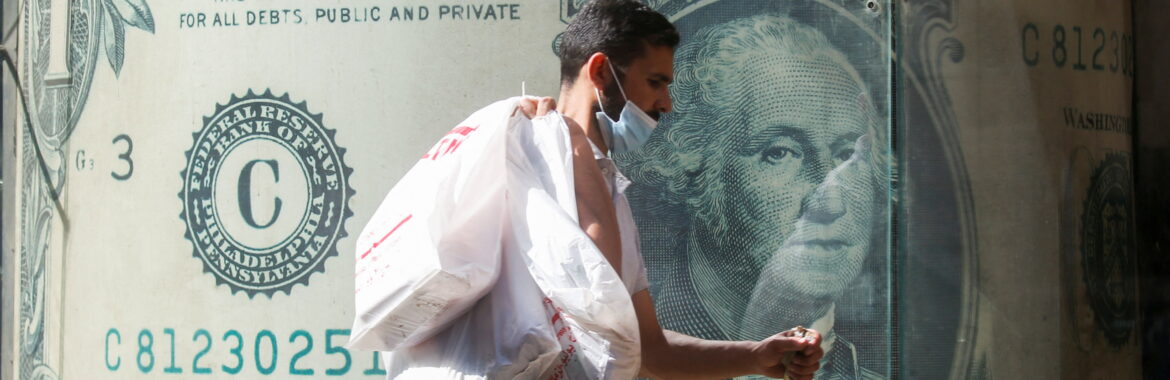
In the past year, rumors have been circulating that car and real estate companies began conducting sales in US dollars in the domestic market. While some companies denied these rumors, others clarified that while they had adjusted their product pricing to reflect the dollar exchange rate, the actual sales were still being conducted in Egyptian pounds.
Although rumors in these sectors came to a stop at that point, the broader trend toward "dollarization" in the Egyptian market has not stopped.
Most companies in Egypt have been grappling with challenges posed by exchange rate fluctuations and difficulties in importing production supplies. Consequently, some companies have decided to completely withdraw from selling in the domestic market, opting instead for exporting or aligning their product prices with the exchange rate on the parallel market. However, despite the illegality of selling in dollars, some sectors secured exceptions from the government that permitted them to circumvent the legal restrictions.
Mada Masr spoke to a host of sources involved in various strategic sectors to track how and why dollarization has happened. In many cases, the private sector followed the lead of government-owned companies in dollarization, with brokers telling Mada Masr that their sales in dollars had come with verbal approval from the state. And in others, the state has put in place policies that aim to attract dollars from the private sector, tacitly encouraging dollarization of everything from the automotive sector to land sales.
***
In July of last year, Ahmed*, a broker for major steel factories, was surprised when several factory sales departments demanded payment for his procurement in dollars, which he had never experienced before. He found that factories were refusing to complete purchase orders in Egyptian pounds.
The steel factories' requirement to sell in dollars violates central bank regulations, which prohibit any dealings in currencies other than the Egyptian pound. According to the law, the penalty for trading in foreign currencies outside of legal channels — whether for currency trading purposes or for trading other goods — can be punishable with a prison term ranging from three to ten years, in addition to fines depending on the amount involved in the offense.
But another steel broker told Mada Masr on condition of anonymity that Ezz Steel stopped selling its products to brokers and wholesalers in Egyptian pounds as of July last year, opting instead for transactions in dollars. Shortly after, the Suez Steel and Egyptian Steel companies, affiliated with the National Service Projects Organization, followed suit.
Private sector companies swiftly followed the government-affiliated companies’ lead, and the dollar became the currency of transactions between steel factories and their brokers, who then sell to the public in Egyptian pounds.
In mid-July, companies drove up their prices, setting the price of a ton of steel at US$840, despite international prices ranging from $605 to $640 per ton. This ensured a guaranteed profit estimated at $250 per ton, in addition to the profit derived from the broader manufacturing process, as the average price of iron ore (pellets) is around $470 per ton, according to the broker.
"When we said we would buy at international prices since we already pay in dollars, they told us, 'If you’re not interested, someone else will be,'" the broker said.
Despite this breach of law, payments were made through the official banking system, according to three steel brokers.
The sources said that the factories' decision to sell in dollars came with verbal approval from government entities, without disclosing which entities were involved. This coincided with news of banks accepting foreign currency from unknown sources.
***
The dollarization of steel lasted for four months, from July to early November. However, as news of these dollar sales leaked to the media and drew attention from parliamentary inquiries, steel factories abruptly halted their demand for dollar transactions and reverted to selling in Egyptian pounds.
With sales no longer being done in dollars, however, factories began limiting allocations to brokers to avoid selling at a lower value . “For example, if the weekly allocation reached 500 tons, the broker would receive a maximum of 10 to 20 percent, not exceeding 100 tons,” a steel broker said.
But at the start of the year, dollarization returned. Several factories officially informed brokers and traders that they would not sell any products from the weekly allocations in Egyptian pounds, stating that transactions would be limited to brokers who paid for their allocations in dollars only.
"With the return of dollar sales, factories now allow brokers to obtain their full weekly allocations," according to the broker.
This time, however, the deals are not conducted through the official banking channels. Brokers are directly paying for their allocation in dollars at factory offices instead of depositing the funds in company bank accounts out of fear of legal penalties for dealing in dollars after the issue was raised in Parliament in November.
One steel broker justified the decision to sell in dollars by citing factories' need for hard currency to open documentary credits for importing raw materials such as pellets and briquettes.
According to data from the Chamber of Metallurgical Industries at the Federation of Egyptian Industries, reviewed by Mada Masr, Egypt’s reinforcement steel industry needs to import primary materials to melt pellets with a capacity of up to 4.5 million tons annually, in addition to importing 3.5 million tons of ready pellets for rolling. The industry’s total annual operating capacity exceeds 12 million tons.
However, the broker clarified that aside from the illegality of selling in dollars in the Egyptian market, factories also sell at marked-up prices that far exceed international rates. The price of reinforcement steel to brokers in the local market in dollars reached higher values than export prices. Brokers were quoted prices ranging from $800 to $840 per ton at the factory site, compared to around $580 to $600 per ton for export.
The result was record jumps in the prices of reinforcement steel in the local markets. "Brokers obtain the dollars they need for their weekly allocations from the black market, as they are not available in banks. As a result, the pricing of the local product is subject to the fluctuating black market rate," said the broker.
***
Furthermore, factories' demand for payment in dollars increases the demand for hard currency in the black market. This, in turn, leads to a further rise in currency pricing while banks remain unable to manage, according to the broker.
Since the beginning of 2022, Egypt has been grappling with a foreign currency shortage crisis — the worst in years — as hot money investors swiftly withdrew their investments in Egyptian debt instruments, depriving the government and central bank of key foreign currency resources. This has led to consecutive declines in the value of the Egyptian pound, while inflation rates and prices continue to rise, especially with the government’s decisions to restrict imports to preserve the remaining hard currency within the country.
The steel industry has been impacted by these restrictions. During the first half of the year, factories were made to reduce their production due to their inability to import the necessary raw materials for the industry. Brokers report that steel factory supplies decreased by about 90 percent.
"Before the crisis, I used to receive a weekly allocation of 5,000 tons from one company. Now, I only get around 500 tons," a broker tells Mada Masr.
Meanwhile, some steel companies have resorted to increasing their exports to obtain the hard currency required to import raw materials to sustain production.
During the first nine months of last year, the value of Egyptian steel exports surged by about 65 percent, reaching $1.74 billion, compared to around $1 billion in the same period of the previous year, according to data from the Export Council for Building Materials.
However, this was not enough, and these companies ended up pricing their products in dollars in the local market.
The same situation has begun to emerge in the food grain import sector, where importers are forcing local buyers from factories and mills to pay 5-10 percent of the goods' price in dollars.
"It’s true that the percentage is small compared to the overall market, but it is widespread among wheat, yellow corn, and soybean importers," says a source in one of the major grain import companies.
The source, speaking on condition of anonymity, explained that local buyers are forced to acquiesce to importers’ demands, especially since there are no signs yet of a resolution to the foreign currency crisis and there are limited supplies given that many goods remain trapped in ports waiting for dollar allocations to obtain release permits.
So far, this dollarization phenomenon is limited to certain industry sectors and has not yet spread to others. However, a financial analyst at a private investment bank told Mada Masr on condition of anonymity that the failure to penalize these companies may push more sectors to follow suit, especially as they are currently attempting to navigate the situation by reducing production, which is the same approach steel factories initially resorted to without success, as steel is used in most Egyptian industries, making it a key element for other sectors of the economy.
***
There are certain sectors that can sell their products in dollars despite the illegality, whether in free zones or even within the country, the head of one of the largest trading companies in Egypt told Mada Masr on condition of anonymity. For example, according to the source, the government is involved in the steel sector and may use it as a means to withdraw dollar liquidity from the market. The government is also focusing on the strategic feed sector to ensure it remains unaffected by the crisis. Furthermore, the state itself is engaging in dollar trading to attract hard currency, such as offering land to investors in dollars and residential units to the Egyptian diaspora. However, in smaller sectors, companies and individuals do not dare to attempt selling in dollars for fear of legal consequences.
“Although companies may not be able to sell in dollars, they still tie the price of their products in the local market to the opportunity cost, that is, if the product were to be exported and generate returns. Rather, when they export, they aim to have competitive prices in a large global market, but in Egypt, they do not need to do so, so they set a high price tied to a dollar rate that sometimes reaches LE57," the source added, speaking before the price of the dollar exceeded LE70.
Real estate companies are a prominent example of companies resorting to pricing in dollars. Continuous increases in construction material prices have forced them to price their units in dollars and adopt a new equation that allows them to adjust unit prices even after contracts are signed. They increase the price if the pound depreciates, to hedge against the ensuing rise in construction costs. This has led to a slowdown in the real estate market, according to statements by Youssef al-Banna, a real estate sector analyst at Naeem Holding for Investments.
The government itself has also shown a tendency toward selling in dollars. A financial analyst at a local investment bank told Mada Masr on condition of anonymity that the government is seeking ways to attract dollars or at least retain them in banks. In pursuit of this, "risky" decisions are being made.
In tandem with the 54.8 percent decline in car sales in Egypt during the first 11 months of last year, the government has reintroduced the zero-customs car import initiative for Egyptians residing abroad. It has also reduced customs value on cars and is even considering allowing direct purchases from free zones as part of the initiative. This move will harm the Egyptian automotive sector, which has also begun importing through free zones.
The most concerning move, however, was the recent parliamentary approval of a government proposal to amend the desert lands law, allowing Arabs and foreigners — regardless of their nationality — to own desert lands in the country without exceptions for any location in exchange for dollars. The government attributed this to its attempt to encourage investors.
Yet, the timing of approving the amendment, coinciding with international warnings about Israeli plans to force Gaza residents to leave the strip for Sinai, in addition to the lack of restrictions in the amendment that would exclude, for example, Israeli nationals from ownership or limit it to specific locations, has raised concerns about Egyptian national security, expressed by a number of opposition members in the upper house of Parliament.
تقارير ذات صلة
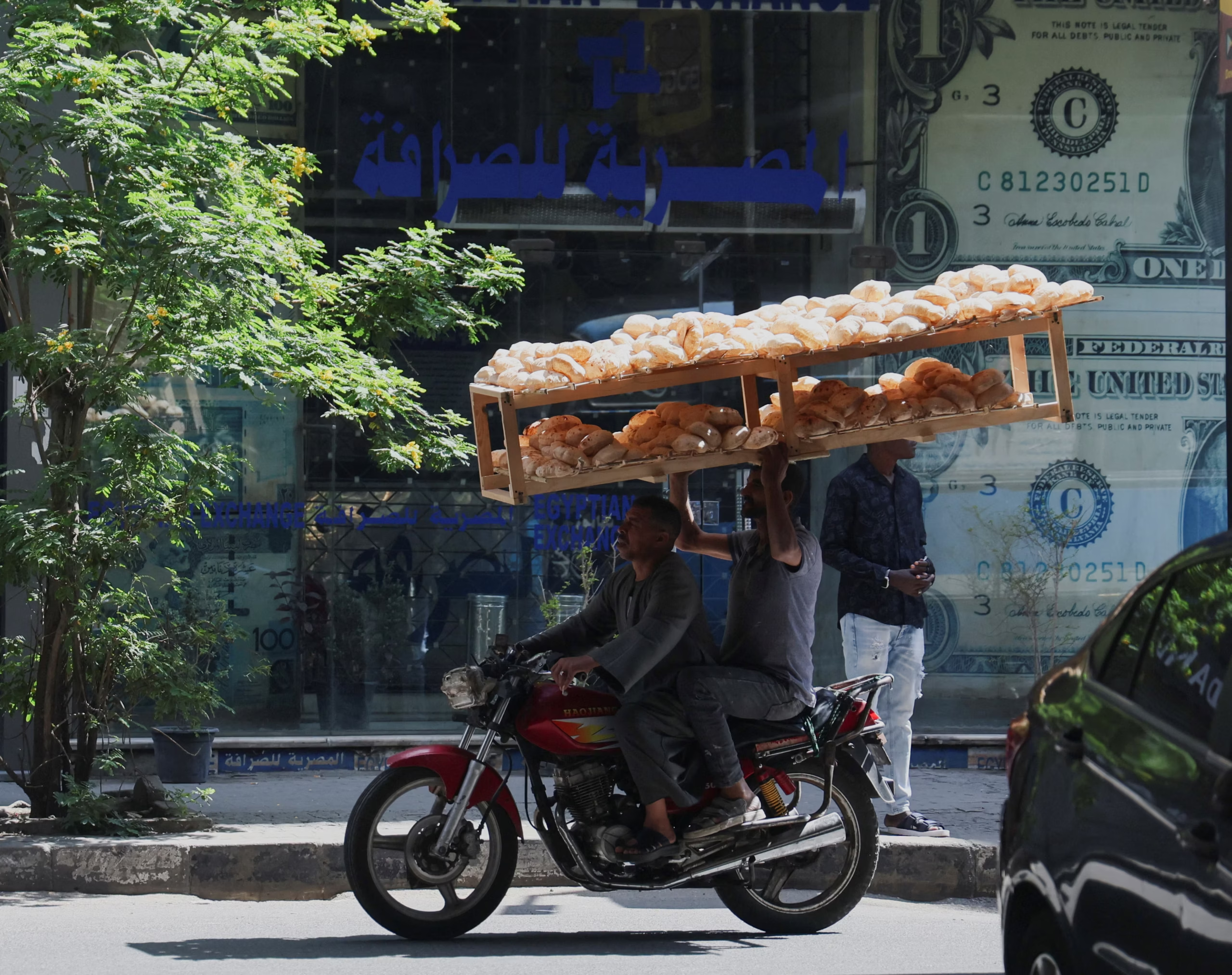
Between rising inflation and shrinking foreign currency: What is the state doing?
The Egyptian pound resumed its slide on Thursday, reaching LE52.42 for the dollar, after a brief rise in value to LE51.92 the previous day. The currency’s slide had begun in…
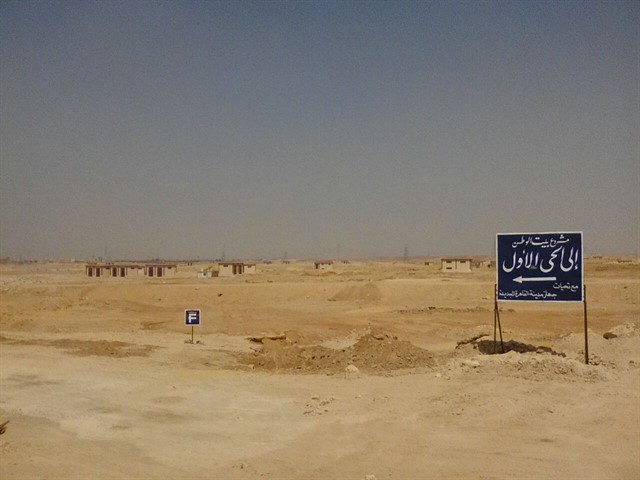
Land-for-dollars Beit al-Watan scheme marred by profiteering, leaving diaspora applicants empty-handed
Analysts warn the dollar-based land sales are pushing prices higher and limiting housing options
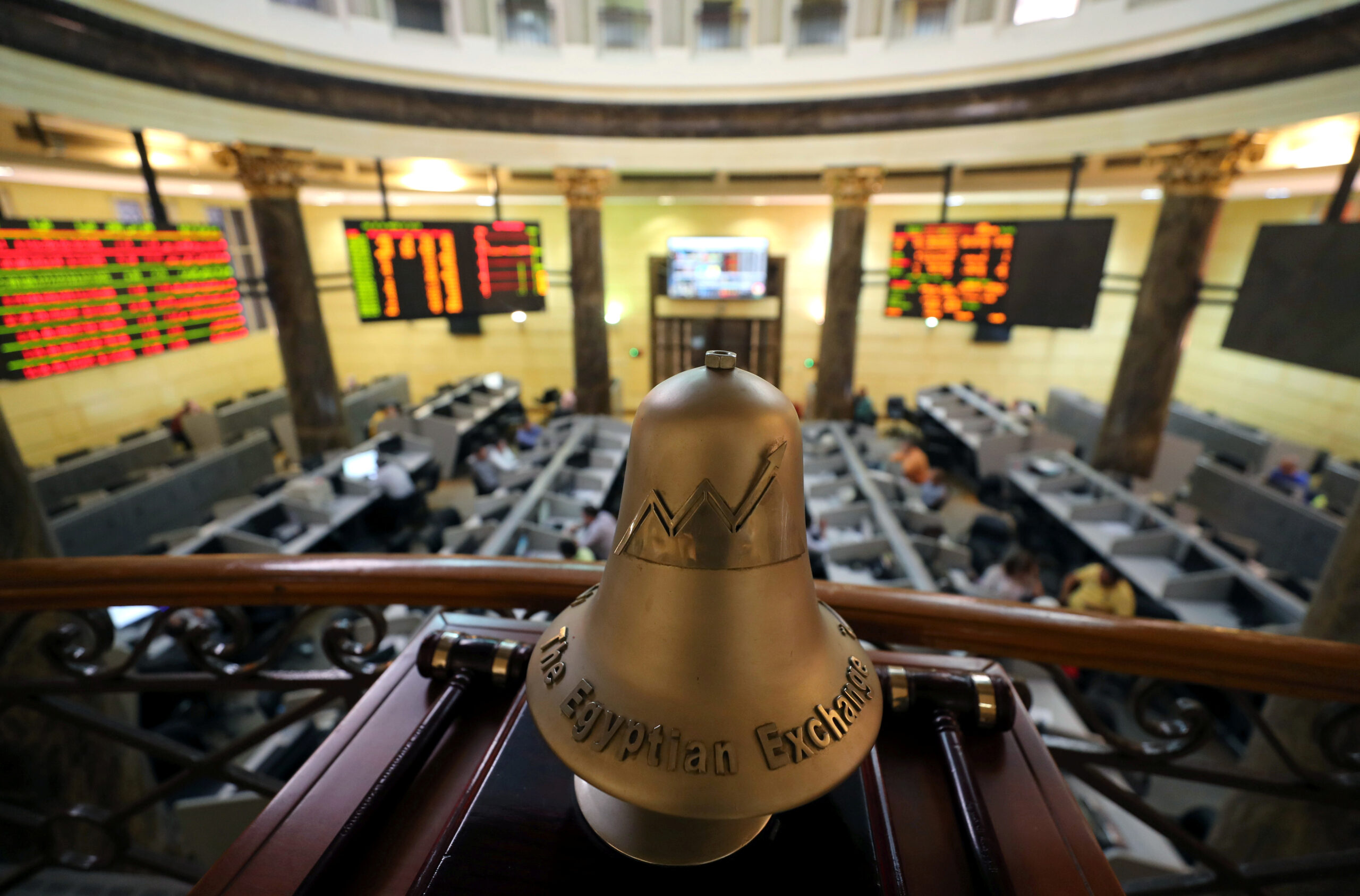
How will the Israel-Iran war affect the Egyptian economy?
The Egyptian economy continues to tremble with uncertainty in the face of the widening regional war escalated when Israel attacked Iran on Friday night. By the end of Sunday’s trading…
Your support is the only way to ensure independent, progressive journalism survives.
You have a right to access accurate information, be stimulated by innovative and nuanced reporting, and be moved by compelling storytelling. Subscribe now to become part of the growing community of members who help us maintain our editorial independence.
Join us